Table of Contents

Chips

1. Introduction: The Critical Role of Radial Thrust Bearings in Modern Machinery
Why Load and Efficiency Must Be Balanced in Bearing Selection
In the world of rotating equipment, radial thrust bearings stand as the unsung heroes, juggling both axial and radial loads with poise. Select the wrong balance between load capacity and efficiency, and you’re practically inviting excessive wear, heat build-up, and eventual catastrophic failure. The smartest engineering decisions are those that weigh operational needs against mechanical realities, ensuring that neither strength nor efficiency gets shortchanged.
The Hidden Impact of Bearing Performance on Operational Costs
A bearing that runs rough or fails prematurely doesn’t just cost money in parts—it bleeds productivity through downtime, repair labor, and missed delivery schedules. Over time, the efficiency of a radial thrust bearing can influence everything from energy bills to warranty claims. A well-chosen, high-performance bearing doesn’t just keep the shaft spinning—it keeps the ledger in the black.
How Procurement Teams Can Benefit from Strategic Bearing Choices
Strategic procurement isn’t about buying the cheapest component—it’s about investing in the parts that drive uptime and reduce life-cycle costs. A procurement team that understands the interplay between load handling and efficiency can source bearings that deliver long-term performance. In many industries, the difference between merely functional and optimally efficient bearings can mean millions in savings over the service life of the machinery.
2. What Are Radial Thrust Bearings and How Do They Work?
The Dual Functionality: Supporting Axial and Radial Loads
Radial thrust bearings are designed to take on two jobs at once: supporting side-to-side forces (radial) and end-to-end forces (axial). This duality allows them to be deployed in complex machinery where loads don’t come from just one direction. Their architecture ensures that forces are evenly distributed across rolling elements, avoiding localized stress concentrations.
Core Mechanics Behind Load Distribution
At their core, radial thrust bearings rely on precision-engineered races, rolling elements, and cages to channel forces along designed paths. The geometry of the races is critical—slight deviations can result in misdirected loads that lead to premature wear. Properly engineered bearings turn chaotic multi-directional forces into smooth, predictable motion.
Common Applications in Industrial and Automotive Systems
You’ll find radial thrust bearings working behind the scenes in gearboxes, pumps, heavy truck transmissions, and even aerospace mechanisms. Their versatility stems from their ability to manage the complex force vectors that show up in high-speed, high-load environments. Whether it’s a paper mill’s calendar roll or a jet engine’s accessory gearbox, these bearings keep critical systems running smoothly.
3. The Importance of Load Capacity in Bearing Performance
Static vs. Dynamic Load Ratings Explained
Static load rating is the maximum load a bearing can handle without permanent deformation when stationary, while dynamic load rating defines the bearing’s capacity to endure loads during rotation over a defined lifespan. Misinterpreting these ratings can lead to overestimating performance. Understanding the difference ensures the bearing will perform reliably in real-world operating conditions.
How Overloading Leads to Premature Failure
When a bearing is asked to shoulder more load than it’s designed for, rolling elements flatten, raceways pit, and internal clearances collapse. The result isn’t gradual degradation—it’s often a swift mechanical breakdown. Once overloading starts, heat and vibration accelerate the destruction.
Matching Bearing Specifications to Machinery Requirements
Every piece of machinery has its own load signature—its unique combination of weights, speeds, and duty cycles. Selecting a radial thrust bearing is less about “biggest and strongest” and more about “perfectly matched to the job.” Properly aligned specifications eliminate inefficiencies and extend operational life.
4. How Radial Thrust Bearings Improve Efficiency in Operations
Reducing Friction and Energy Consumption
Well-designed radial thrust bearings minimize rolling resistance, reducing the torque needed to keep shafts turning. Lower friction translates directly into less energy consumption, a critical factor in large-scale operations where energy costs accumulate quickly. Over years of service, this friction reduction pays for itself many times over.
Minimizing Heat Generation for Longer Lifespan
Excessive heat is a bearing killer—it breaks down lubricants, degrades steel microstructures, and accelerates wear. Bearings optimized for efficiency maintain cooler running conditions, preserving internal integrity. In many cases, a cooler bearing is also a quieter one, further improving machine performance.
The Link Between Smooth Operation and Productivity
When a bearing runs smoothly, it reduces mechanical noise, vibration, and operational interruptions. This “smoothness factor” enhances the accuracy of connected components, from precision gears to delicate sensors. In productivity terms, it means fewer stops, less scrap, and more consistent throughput.
5. Material Matters: What Makes High-Quality Radial Thrust Bearings
The Role of High-Grade Steel and Alloys in Durability
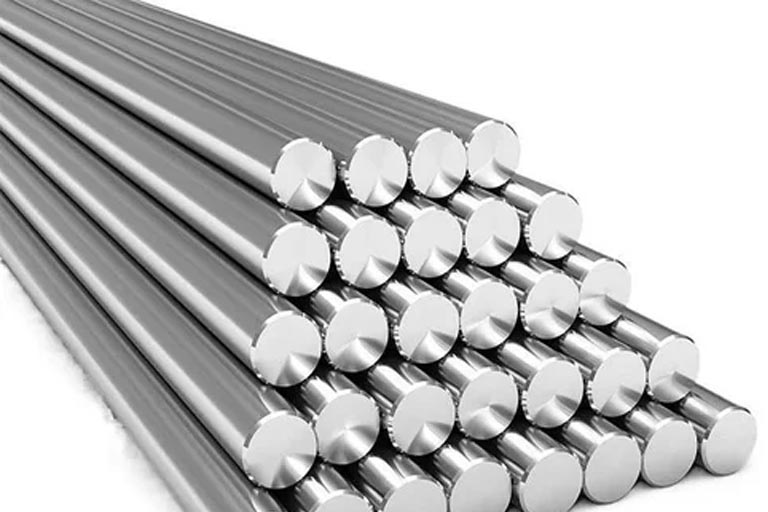
The backbone of a superior radial thrust bearing is its metallurgy. High-grade chromium steel or alloy blends resist fatigue, deformation, and cracking under punishing loads. Using cheap metal might save a buck today, but it’s a ticket to an expensive failure tomorrow.
Precision Heat Treatment for Fatigue Resistance
Controlled heat treatment transforms the steel’s microstructure, hardening surfaces for wear resistance while maintaining a tough, ductile core. This dual property is essential for withstanding both shock loads and continuous operation. The process must be tightly regulated to achieve consistent results.
Corrosion Protection for Demanding Environments
Moisture, chemicals, and airborne particulates can wreak havoc on unprotected bearings. Coatings like black oxide, phosphate, or specialized polymer films shield components from corrosive attack. In marine or chemical processing settings, this can be the difference between multi-year service and total failure in months.
6. OEM vs. Aftermarket: Why Quality Matters for Procurement
Performance and Reliability Differences
OEM bearings are built to match original specifications, while aftermarket options range from top-tier equivalents to questionable knock-offs. Even small differences in geometry or surface finish can mean a dramatic drop in reliability. With bearings, “almost right” is often completely wrong.
Total Cost of Ownership: Short-Term vs. Long-Term Savings
Cheaper upfront costs often lead to higher maintenance expenses, increased downtime, and more frequent replacements. Factoring in labor, lost production, and warranty issues often reveals that premium bearings are the more cost-effective choice over time. Smart procurement looks past the sticker price.
Case Studies of OEM vs. Generic Bearing Performance
In a major mining operation, switching from OEM bearings to low-cost generics led to a 40% increase in bearing failures within a year. Returning to OEM units restored performance, reducing downtime by over 300 hours annually. The lesson was clear: quality saves more than it costs.
7. The Engineering Behind Precision Radial Thrust Bearings
Tight Tolerances and Their Impact on Load Distribution
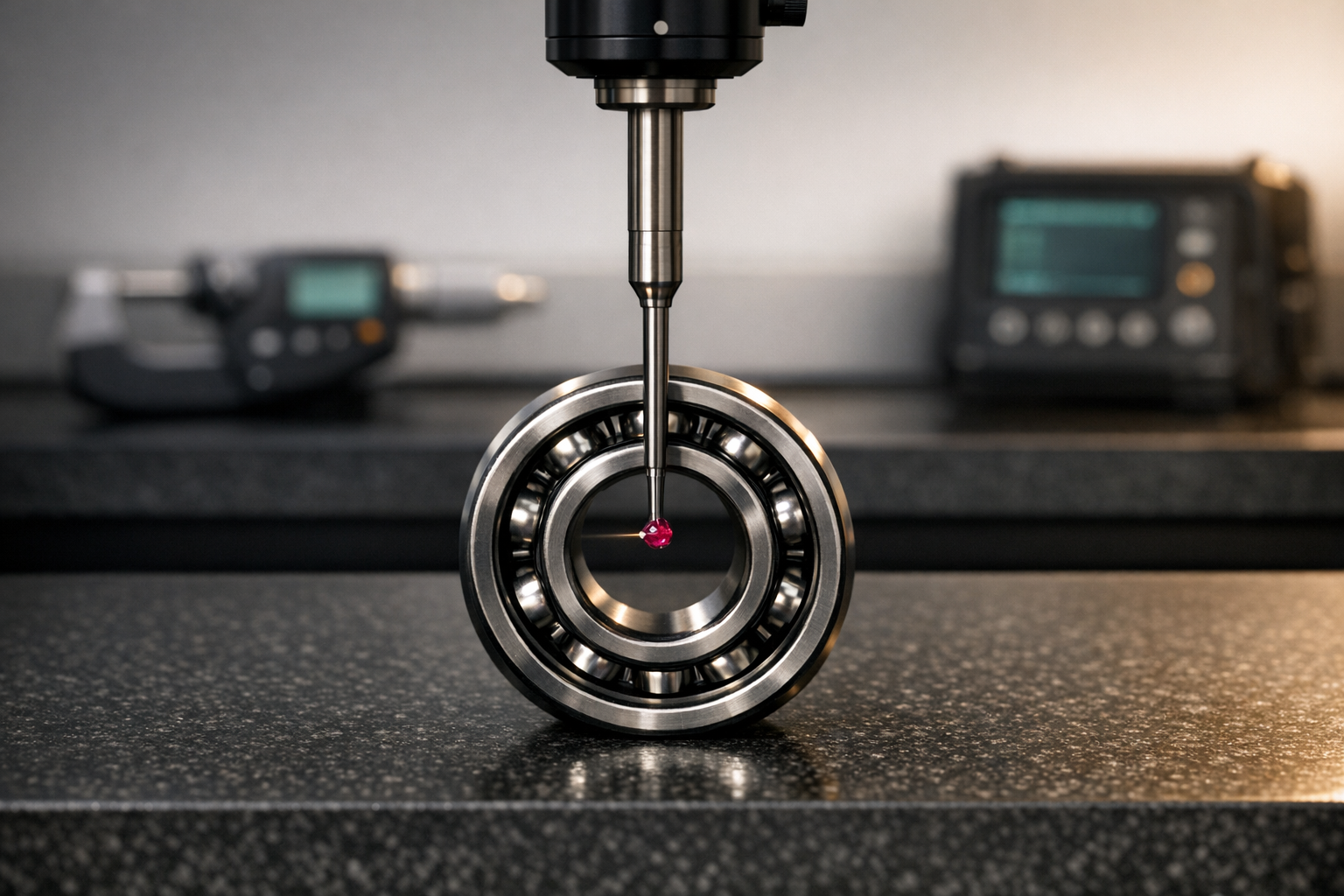
Precision isn’t a luxury in bearing manufacturing—it’s the lifeblood of performance. When tolerances are held to microns, load distribution across rolling elements becomes uniform, preventing stress concentrations. Even a hairline deviation can shift forces to one side of the raceway, accelerating wear and degrading efficiency.
How Micron-Level Accuracy Enhances Efficiency
Perfect geometry means rolling elements meet the raceways exactly as intended, reducing micro-slippage and vibration. This minimizes energy losses and maximizes mechanical responsiveness. In high-speed machinery, this accuracy can make the difference between running cool and running on borrowed time.
Advanced Manufacturing Processes for Superior Performance
CNC grinding, superfinishing, and automated inspection systems have revolutionized bearing production. These processes eliminate minute surface imperfections that could otherwise trigger premature fatigue. The result is a component that not only meets but often exceeds its original design life.
8. Lubrication: Keeping Radial Thrust Bearings at Peak Performance
The Best Lubricants for High-Load Applications
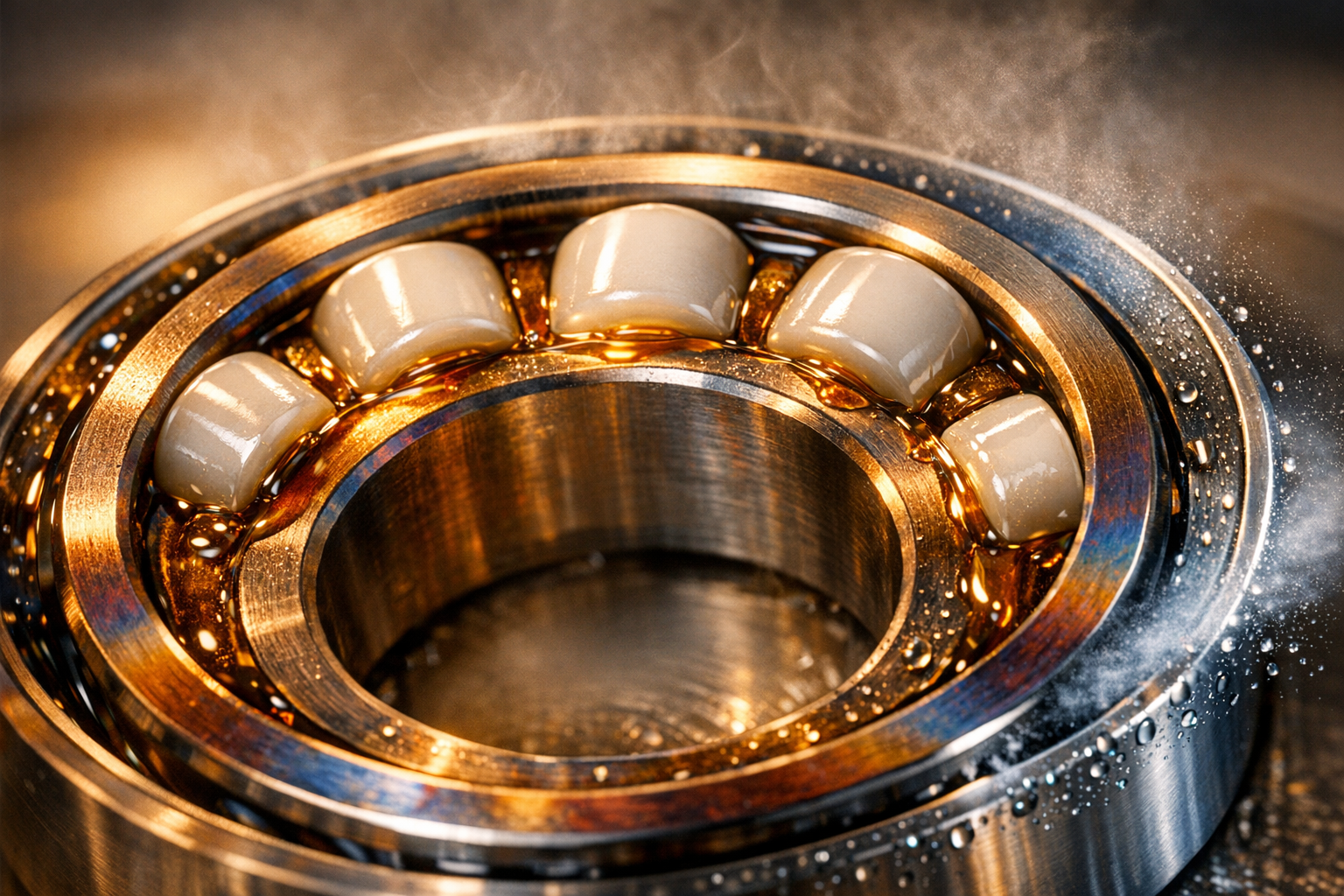
In heavy-duty operations, not all lubricants are created equal. High-viscosity synthetic oils or lithium-complex greases provide a robust film that prevents metal-to-metal contact under extreme loads. Additives such as anti-wear agents and corrosion inhibitors further extend service life.
Sealed vs. Open Bearings: Advantages and Best Uses
Sealed bearings keep contaminants out and lubrication in, making them ideal for harsh environments with minimal maintenance access. Open bearings, while requiring regular lubrication, offer greater cooling and are easier to inspect. The choice depends on application demands and maintenance capabilities.
Maintenance Schedules for Optimal Longevity
Lubrication intervals should be based on actual operating conditions, not just manufacturer guidelines. Bearings in dusty, wet, or high-speed environments require more frequent attention. Skipping even one lubrication cycle can set the stage for accelerated wear and sudden failure.
9. Common Failure Modes and How to Prevent Them
Wear Patterns That Indicate Misalignment or Overload
Spalling, fluting, and uneven wear rings are telltale signs that something’s amiss. Misalignment shifts the load path, creating hot spots that chew through raceways. Overload magnifies this effect, often leading to complete seizure if left unchecked.
Contamination Risks and How to Mitigate Them
Dirt, water, and chemical vapors are bearing killers. Contamination increases friction, damages surface finishes, and disrupts lubrication films. Seals, shields, and proper storage practices are inexpensive insurance policies against these threats.
Regular Inspection Methods for Early Problem Detection
Vibration analysis, infrared thermography, and ultrasonic listening devices can catch bearing problems before they become production emergencies. Scheduled inspections prevent guesswork, allowing maintenance teams to address root causes instead of symptoms.
10. Load Balancing: Optimizing Performance for Different Applications
Adjusting Preload for Maximum Efficiency
Preload—the intentional axial load applied to a bearing—can eliminate clearance, improve stiffness, and enhance rotational accuracy. But too much preload increases friction and heat. Striking the right balance ensures stability without sacrificing efficiency.
When to Use Angular Contact vs. Combined Radial/Thrust Bearings
Angular contact bearings excel when axial loads dominate, while combined radial/thrust designs handle more complex force profiles. Selecting the right type avoids over-engineering and unnecessary expense. In many cases, hybrid arrangements deliver the best of both worlds.
Custom Solutions for Unique Load Requirements
Extreme machinery—think steel rolling mills or wind turbine gearboxes—often demands custom-engineered bearings. Modified race geometries, specialized materials, and unique lubrication channels are tailored to specific operational profiles. These bespoke solutions turn impossible load scenarios into reliable operation.
11. Energy Efficiency and Sustainability in Bearing Selection
How Low-Friction Bearings Reduce Power Consumption
A low-friction radial thrust bearing translates torque into motion with minimal waste, trimming kilowatts off the energy bill. In plants with dozens or hundreds of motors, this efficiency compounds into significant cost reductions.
The Environmental Impact of Long-Lasting Components
Durable bearings mean fewer replacements, less scrap metal, and reduced manufacturing emissions over the equipment’s lifetime. Longevity is as much a sustainability metric as it is an economic one.
Why Sustainable Procurement Prefers OEM Quality
OEM bearings are typically made under stricter quality and environmental standards. By specifying OEM parts, procurement teams support supply chains that prioritize both performance and ecological responsibility.
12. Case Study: Real-World Efficiency Gains with High-Performance Bearings
A Before-and-After Comparison in Heavy Machinery
A steel processing plant replaced standard bearings in their roll stands with premium OEM radial thrust units. The immediate effect was a 12% drop in motor load, noticeable on the facility’s power monitors.
Measurable Reductions in Downtime and Maintenance Costs
Unexpected bearing failures dropped by over 60%, and scheduled maintenance intervals stretched from every three months to every six. Labor hours saved allowed technicians to focus on other critical tasks.
How the Right Bearings Improved ROI
The higher initial investment paid for itself within 14 months through energy savings and reduced downtime. Over five years, the cumulative ROI exceeded 400%, proving the value of quality over cost-cutting.
13. The Role of Digital Tools in Bearing Selection and Monitoring
Predictive Maintenance Technologies for Early Fault Detection
Sensor-equipped bearings can track temperature, vibration, and load in real time, alerting maintenance teams before problems escalate. This proactive approach minimizes costly emergency shutdowns.
Using Vibration Analysis to Extend Bearing Life
Subtle changes in vibration frequencies can indicate developing faults. Modern analysis software pinpoints the source, whether it’s imbalance, misalignment, or early-stage fatigue, allowing timely corrective action.
Smart Systems for Real-Time Performance Tracking
Integration with plant SCADA systems enables centralized monitoring of bearing performance. Operators can adjust loads or lubrication schedules instantly based on live data.
14. Custom Radial Thrust Bearings: When Standard Isn’t Enough
Bespoke Solutions for Extreme Load Conditions
Some applications push beyond catalog limits, requiring purpose-built bearings. Aerospace actuators, for instance, demand ultra-lightweight designs with high axial capacity.
Collaboration with OEM Engineers for Specialized Needs
Close coordination between end-users and OEM engineering teams yields solutions that meet specific load, space, and environmental constraints. This collaboration ensures that custom designs are both innovative and practical.
Success Stories in Aerospace and High-Speed Machinery
In one aerospace project, a custom ceramic-hybrid radial thrust bearing reduced weight by 30% and increased operating life by 50%. Similar gains have been documented in high-speed printing presses, where standard bearings simply couldn’t keep up.
15. Procurement Strategies for High-Quality Radial Thrust Bearings
How to Vet Suppliers for Reliability and Performance
A trustworthy supplier offers verifiable test data, consistent delivery schedules, and strong technical support. Site audits and sample testing separate the contenders from the pretenders.
The Importance of Certifications and Testing Reports
ISO certifications, material traceability, and documented load testing give confidence that a bearing will perform as promised. Without these, procurement is essentially gambling.
Negotiating Long-Term Contracts for Cost Stability
Multi-year agreements with proven suppliers lock in pricing and ensure supply continuity. In volatile markets, this stability can be as valuable as the parts themselves.
16. Conclusion: Making the Right Choice for Performance and Efficiency
Recap of Key Factors in Bearing Selection
Balancing load capacity with operational efficiency is the foundation of successful bearing selection. Material quality, manufacturing precision, and lubrication strategy all play vital roles.
The Long-Term Benefits of Investing in Quality Bearings
Premium bearings extend service life, reduce downtime, cut energy costs, and boost overall system reliability. The investment compounds over time, yielding substantial returns.
Next Steps for Procurement Teams to Optimize Their Supply Chain
By aligning engineering insights with strategic sourcing practices, procurement teams can secure components that deliver both performance and sustainability. In the bearing world, the smart money is always on quality.