...

Bearings Manufacturer Since 2000

Trusted by 1,000+ Clients

Cylindrical Roller Bearings

Cylindrical Roller Bearings

Definition of Cylindrical Roller Bearings

Definition

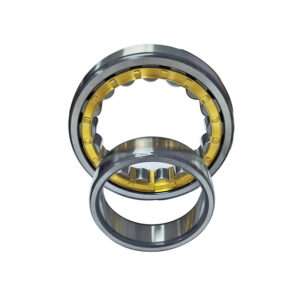
Cylindrical roller bearings are mechanical devices that facilitate rotational movement between two components by using cylindrical rollers to reduce friction and support radial loads in various applications.

Cylindrical Roller Bearings

FHD Bearings is an ISO 9001:2015 certified manufacturing enterprise that stsock a full range of Cylindrical Roller Bearings,Tapered Roller Bearings,Spherical Roller Bearings,Needle Roller Bearings,Thrust Roller Bearings and Crossed Roller Bearings. With over 1,200 different bearing sizes and over 250K bearings in stock.

Materials of Cylindrical Roller Bearings

Materials

Steel

Most roller bearings are made from various grades of steel, such as carbon steel or alloy steel, for strength and durability.

Stainless Steel

Offers corrosion resistance, making it suitable for applications where exposure to moisture or harsh environments is a concern.

Chrome Steel

A popular choice due to its high hardness, wear resistance, and good corrosion resistance properties.

Plastic

Some bearings use plastic materials for the cage or rolling elements, providing benefits such as lightweight construction and resistance to corrosion in certain environments.

Cylindrical Roller Bearing,Cylindrical Roller Bearings

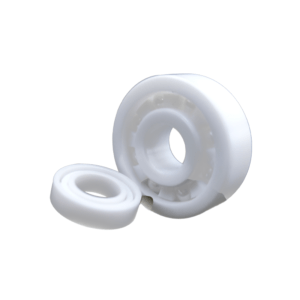
Ceramic

Bearings with ceramic rollers or balls are used for specific applications where high temperature, corrosion resistance, or electrical insulation is required.

Brass

Brass is a common material for bearing cages due to its machinability, corrosion resistance, and ability to withstand high-speed applications.

Features of Cylindrical Roller Bearings

Features
single row cylindrical roller bearings

   1.High Radial Load Capacity: Cylindrical roller bearings excel at handling significant radial loads efficiently.

   2.Low Friction: With a design optimized for reduced friction, these bearings offer energy-efficient rotational movement.

   3.Space Efficiency: Their compact design makes cylindrical roller bearings suitable for applications with limited installation space.

   4.Versatile Configurations: Available in single-row, double-row, and multi-row designs, they adapt to various load and speed requirements.

   5.High-Speed Capability: Precision engineering allows cylindrical roller bearings to operate at high speeds.

   6.Shock Resistance: Robust construction, often from materials like chrome steel, provides excellent resistance to shock and impact loads.

   6.Alignment Compensation: Certain designs can accommodate misalignment, enhancing suitability for diverse industrial applications.

Advantages of Cylindrical Roller Bearings

Advantages

   1.High Radial Load Capacity: Cylindrical roller bearings efficiently handle heavy radial loads due to their increased contact area.

   2.Versatile Axial Load Support: They can accommodate axial loads, making them suitable for applications with combined radial and axial forces.

   3.Space-Efficient Design: Cylindrical roller bearings offer high load-carrying capacity in a compact footprint, ideal for limited installation space.

   4.Rigidity and Stability: Inherent rigidity ensures stable and precise operation, preventing deflection or deformation under load.

   5.Configurational Versatility: Available in various configurations (single-row, double-row, etc.), providing flexibility for specific application needs.

   6.Ease of Assembly and Maintenance: Designed for easy assembly and disassembly, facilitating efficient maintenance and replacement processes, minimizing downtime.

Cylindrical Roller Bearing,Cylindrical Roller Bearings

Applications of Cylindrical Roller Bearings

Applications
Cylindrical Roller Bearing,Cylindrical Roller Bearings
  • Automotive Industry: Found in wheel hubs, transmissions, and engine components, cylindrical roller bearings contribute to the smooth operation of various automotive systems.
  • Industrial Machinery: Widely used in machine tools, gearboxes, and electric motors, these bearings support rotational motion in diverse industrial applications.
  • Material Handling Equipment: Cylindrical roller bearings are common in conveyor systems, forklifts, and crane swivels, where they withstand heavy loads and frequent movements.
  • Mining and Construction: These bearings play a crucial role in heavy-duty equipment like crushers, excavators, and conveyor belts in mining and construction machinery.
  • Aerospace Industry: Cylindrical roller bearings find applications in aircraft engines, landing gear systems, and other aerospace components, where precision and reliability are paramount.
  • Railway Systems: Used in railway axle boxes, traction motors, and gearboxes, cylindrical roller bearings contribute to the efficient and reliable performance of railway systems.

Do you have any questions?

Send inquiry to our expert for support

Key Manufacturing Process of Cylindrical Roller Bearings

Manufacturing Process

Heat Treatment: Components like rollers, inner and outer rings undergo heat treatment processes, such as quenching and tempering, to achieve the desired hardness and improve their mechanical properties.

Precision Grinding: Precision grinding is a critical process to achieve the necessary tolerances and surface finish for cylindrical roller bearings. This ensures smooth operation and minimizes friction.

Cage Fabrication: The fabrication of cages involves processes like stamping, machining, or molding, depending on the material used. Precision in cage manufacturing is crucial for maintaining proper roller spacing and alignment.

Assembly: Assembling various components, including rollers, inner and outer rings, cage, and seals, with precision is essential for the proper functioning of the cylindrical roller bearing.

Lubrication: Lubrication is applied during the manufacturing process or as part of the final assembly. Proper lubrication is critical for reducing friction and preventing premature wear.

Quality Control: Rigorous quality control measures, including dimensional checks, inspection of surface finish, and testing for load capacity, are implemented to ensure that the manufactured cylindrical roller bearings meet specified standards and performance criteria.

Cylindrical Roller Bearing,Cylindrical Roller Bearings

FAQ - Frequently Asked Questions

FAQ
Cylindrical Roller Bearings5

Q: What are cylindrical roller bearings?
A: Cylindrical roller bearings are designed with cylindrical rollers to support high radial loads and operate efficiently at high speeds.

Q: What are the main advantages of cylindrical roller bearings?
A: They offer high radial load capacity, low friction, high-speed performance, and increased rigidity compared to ball bearings.

Q: Can cylindrical roller bearings support axial loads?
A: Standard designs mainly support radial loads, but certain configurations can handle limited axial loads depending on flange design.

Q: What types of cylindrical roller bearings are available?
A: Common types include NU, NJ, NUP, N, and NF designs, each offering different capabilities for axial displacement and load handling.

Q: What applications commonly use cylindrical roller bearings?
A: These bearings are widely used in electric motors, gearboxes, pumps, compressors, and heavy industrial machinery.

Q: What materials are used in cylindrical roller bearings?
A: Typical materials include high-quality bearing steel, stainless steel, and special alloys for high-temperature or corrosive environments.

Q: How do you select the right cylindrical roller bearing?
A: Selection depends on load capacity, speed, axial displacement requirements, operating conditions, lubrication, and mounting configuration.

Q: What is the difference between single-row and multi-row cylindrical roller bearings?
A: Single-row bearings are suitable for moderate loads and high speeds, while multi-row designs provide higher load capacity and increased rigidity.

Q: How should cylindrical roller bearings be lubricated?
A: They can be lubricated with grease or oil depending on speed and load requirements to minimize friction and extend service life.

Q: How to maintain cylindrical roller bearings?
A: Maintenance includes proper lubrication, preventing contamination, correct installation, monitoring operating conditions, and regular inspection for wear or damage.

Installation and Maintenance of Cylindrical Roller Bearings

Installation and Maintenance

Installation

  • Cleanliness: Ensure a clean working environment. Clean the shaft, housing, and all components to prevent contamination during installation.
  • Verify Dimensions: Confirm that the shaft and housing dimensions match the specified tolerances. Check for any burrs or imperfections that could affect the fit.
  • Choose Proper Installation Method: Select an appropriate installation method based on the bearing type, fit, and application requirements (e.g., press fit, heat mounting, cold mounting).
  • Align Components: Carefully align the bearing components during installation. Misalignment can lead to premature wear and reduced bearing life.
  • Secure with Fasteners: If applicable, secure the bearing with appropriate fasteners, such as locknuts or lockwashers. Follow recommended torque values to prevent over-tightening.
  • Verify Rotation: Rotate the shaft to ensure smooth movement and check for any unusual noises or resistance. This step helps confirm proper installation.
Cylindrical Roller Bearings6
Cylindrical Roller Bearings7

Maintenance

  • Regular Lubrication: Implement a regular lubrication schedule using the recommended lubricant. Ensure proper lubrication intervals and use the correct amount to prevent issues such as overheating and premature wear.
  • Temperature Monitoring: Regularly monitor the operating temperature of the bearing. Elevated temperatures can signal problems like insufficient lubrication or misalignment.
  • Alignment Checks: Periodically check and realign the bearing if necessary. Misalignment can lead to increased friction and decreased efficiency.
  • Vibration Analysis: Use vibration analysis tools to detect abnormal vibrations that may indicate issues within the bearing. Address any irregularities promptly.
  • Inspect Seals and Shields: Regularly inspect seals and shields for damage or wear. Damaged seals can compromise the bearing’s integrity, allowing contaminants to enter.
  • Scheduled Maintenance: Plan for scheduled maintenance intervals, including disassembly and inspection. This proactive approach helps identify potential problems early and ensures the bearing’s continued reliability.

Related Posts

LET’S KEEP IN TOUCH!

We’d love to keep you updated with our latest news. 😎

We don’t spam! Read our privacy policy for more info.

Consult

This site uses cookies

We and selected third parties use cookies (or similar technologies) for technical purposes, to enhance and analyze site usage, to support our marketing efforts, and for other purposes described in our Cookie Policy