Bearings Manufacturer Since 2000

Trusted by 1,000+ Clients

Self-Lubricating Bearings

Table of Contents

Definition

Definition

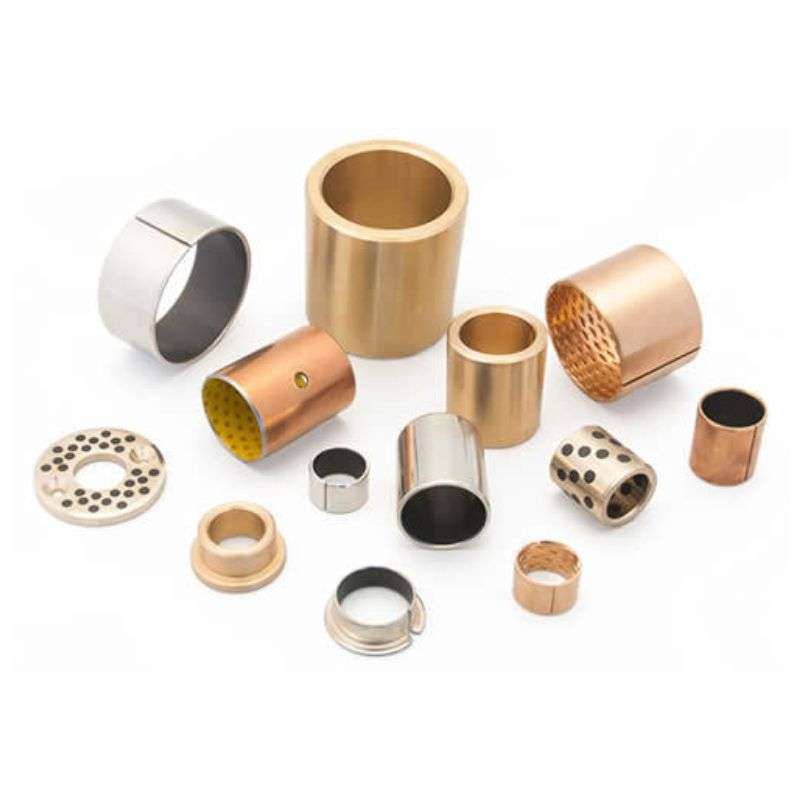
Self-lubricating bearings are components that have built-in lubrication systems, reducing the need for external lubricants by utilizing materials or coatings that facilitate smooth motion.

bushings-PTFE

FHD Bearings is an ISO 9001:2015 certified manufacturing company stocking a full range of self-lubricating bearings. With over 1,200 different bearing sizes and over 250K bearings in stock.

Materials

Materials

Bronze

Bronze bearings are typically composed of bronze alloys with embedded solid lubricants like graphite or PTFE.

The combination of bronze’s strength and the lubricating properties of embedded solids provides effective self-lubrication, reducing friction in various applications.

PTFE (Polytetrafluoroethylene)

PTFE bearings are made from the synthetic fluoropolymer PTFE, known for its non-stick properties.

PTFE’s low-friction nature and resistance to chemicals make it an excellent material for self-lubricating bearings, ensuring smooth operation.

POM Composite

POM (Polyoxymethylene), also known as acetal or Delrin, is often used in composite bearings with reinforcing materials such as fibers or other polymers.

POM composite bearings exhibit high mechanical strength, wear resistance, and low friction. The composite structure enhances the material’s overall performance, making it suitable for applications where a combination of strength and self-lubrication is essential.

bushing

PTFE Composite

PTFE composite bearings combine the self-lubricating properties of PTFE with reinforcing materials such as glass fibers or bronze powder in a composite structure.

This composite design enhances the bearing’s load-carrying capacity and wear resistance while maintaining the low-friction characteristics of PTFE. PTFE composite bearings are suitable for applications requiring a balance of strength, lubrication, and durability.

Features

Features
bushing-Solid
  • Friction Reduction : Self-lubricating bearings inherently minimize friction, as they incorporate materials or coatings that provide lubrication without the need for external additives. This characteristic contributes to smoother operation and reduced wear.
  • Low Maintenance: Self-lubricating bearings require less maintenance compared to traditional bearings, as they can operate effectively for extended periods without the frequent need for lubricant replenishment.
  • Wide Temperature Range: Self-lubricating bearings can function efficiently across a broad temperature spectrum, maintaining their lubricating properties and mechanical performance in both high and low temperature conditions.
  • Damping Effect: Some self-lubricating bearings contribute to damping vibrations and reducing noise during operation, enhancing the overall stability and quietness of machinery.
  • Dimensional Stability: Self-lubricating bearings often maintain dimensional stability under varying conditions, ensuring consistent performance and fit within mechanical systems over time.

Advantages

Advantages
  • Extended Lifespan: Longer operational life due to inherent lubrication and decreased friction.
  • Cost-Efficiency: Potential cost savings over time with lower maintenance needs.
  • Versatile Load Handling: Excel in handling heavy loads, providing reliability in various applications.
  • Corrosion Resistance: Resistant to corrosion, enhancing durability in harsh environments.
  • Chemical Resilience: Withstand exposure to various chemicals, expanding application versatility.
  • Quick Break-In: Rapid break-in period, achieving optimal performance sooner.
  • Noise and Vibration Damping: Contribute to quieter operation and vibration reduction in machinery.
bushing--solid

Taxonomy

Taxonomy

Self-lubricating Bushing Bearings

self-lubricating bearings,self lubricating bearing,self-lubricating bearing

Self-Lubricating PTFE Bearings

PTFE straight (cylindrical) bushings are suitable for oscillating, rotating and linear movements, and can accommodate radial loads.

self-lubricating bearings,self lubricating bearing,self-lubricating bearing

Self-Lubricating Bronze Bearings

Bronze straight (cylindrical) bushings are suitable for rotating, oscillating and linear movements, and can accommodate radial loads.

self-lubricating bearings,self lubricating bearing,self-lubricating bearing

Self-Lubricating POM composite Bearings

POM composite (cylindrical) bushings are suitable for oscillating, rotating and linear movements, and can accommodate radial loads.

Self-lubricating Thrust Bearings

self-lubricating bearings,self lubricating bearing,self-lubricating bearing
Self-Lubricated PTFE Thrust Washer

PTFE composite thrust washers are suitable for rotating and oscillating movements, and can accommodate heavy axial loads.

self-lubricating bearings,self lubricating bearing,self-lubricating bearing
Self-Lubricating Thrust Bearings

Slim Pack thrust bearings are unique in the industry. They need no lubrication, can tolerate extremely high loads and require very little space.

Do you have any questions?

Send inquiry to our expert for support

Applications

Applications
Self-Lubricating Bearings Self-Lubricated Bearings7
  • Automotive Industry: Components such as suspension systems, steering columns, and chassis elements benefit from self-lubricating bearings, reducing friction and enhancing durability.
  • Aerospace: Critical aerospace components, including landing gear assemblies and control mechanisms, leverage self-lubricating bearings to withstand extreme conditions and reduce maintenance needs.
  • Marine Equipment: Bearings in marine environments, like ship propulsion systems and winches, utilize self-lubricating properties to resist corrosion and function effectively in water-exposed conditions.
  • Renewable Energy: Wind turbines and solar tracking systems benefit from self-lubricating bearings, providing reliable performance in challenging outdoor conditions while minimizing maintenance needs.
  • Medical Devices: Self-lubricating bearings contribute to smooth motion in medical devices such as robotic surgery systems and diagnostic equipment, crucial for low-maintenance operation.
  • Electronics and Robotics:  Precision robotic systems and electronic devices use self-lubricating bearings for smooth movement, reduced noise, and enhanced reliability in dynamic applications.

Key Manufacturing Process of Self-Lubricating Bearings

Manufacturing Process

Material Selection

Choosing the appropriate base material for the bearing, such as bronze, PTFE, or polymer composites, based on the specific application requirements and desired properties like wear resistance and self-lubrication.

Molding or Machining

Shaping the base material into the desired bearing form through molding or machining processes. This step involves creating the initial structure and dimensions of the bearing.

Sintering or Curing

For composite bearings, a sintering or curing process may be employed to bond the different materials together. This step enhances the structural integrity of the bearing and ensures proper distribution of lubricating additives.

Impregnation

Introducing solid lubricants, such as graphite or PTFE, into the bearing material through impregnation. This step ensures that the self-lubricating properties are evenly distributed throughout the bearing structure.

Surface Treatment

Applying surface treatments or coatings to enhance the bearing’s performance, such as improving wear resistance or providing additional protection against corrosion.

Flange Bushings
Self-Lubricating Bearings

FAQ - Frequently Asked Questions

FAQ
Self-Lubricating Bearings

Q: What are self-lubricating bearings?
A: Self-lubricating bearings are bearings designed with built-in lubrication materials that reduce friction without requiring external lubrication.

Q: What are the main advantages of self-lubricating bearings?
A: They reduce maintenance, eliminate the need for regular lubrication, improve reliability, lower operating costs, and perform well in harsh environments.

Q: What types of self-lubricating bearings are available?
A: Common types include composite bearings, PTFE-lined bearings, sintered bronze bearings, and polymer-based bushings.

Q: What applications commonly use self-lubricating bearings?
A: They are widely used in automotive systems, construction equipment, agricultural machinery, food processing, and water treatment applications.

Q: What materials are used in self-lubricating bearings?
A: Materials include PTFE composites, bronze, graphite, polymers, and other engineered materials with embedded lubricants.

Q: Can self-lubricating bearings operate without grease or oil?
A: Yes, they are specifically designed to operate without additional grease or oil, making them suitable for clean or hard-to-maintain environments.

Q: How do self-lubricating bearings work?
A: They release lubricating materials during operation, forming a low-friction layer between contact surfaces to reduce wear.

Q: How do you select the right self-lubricating bearing?
A: Selection depends on load, speed, temperature, environmental conditions, and required service life.

Q: Are self-lubricating bearings suitable for high-load applications?
A: Yes, many types are engineered to handle high loads, especially composite and metal-backed designs.

Q: How to maintain self-lubricating bearings?
A: Maintenance is minimal, but includes periodic inspection, ensuring proper installation, and monitoring for wear or contamination.

Installation and Maintenance

Installation and Maintenance

Installation

  • Clean the Housing and Shaft: Ensure that the housing and shaft where the bearing will be installed are clean and free of debris. You can use a cloth or brush to clean these parts.
  • Inspect the Bearing: Before you install the bearing, inspect it for any signs of damage or wear. It should be in good condition prior to installation.
  • Prepare the Bearing: Apply a light layer of lubricant to the bearing. Even though it’s a self-lubricating bearing, a light application of lubricant can help with the initial installation and operation.
  • Align the Bearing: Carefully align the bearing with the housing and the shaft. Make sure it is properly oriented.
  • Install the Bearing: Gently press the bearing into the housing. If necessary, use a bearing press or a block of wood and hammer to carefully tap it into place. Be careful not to apply too much force or you could damage the bearing.
  • Secure the Bearing: Once the bearing is in place, secure it as per the manufacturer’s instructions. This might involve screws, clips, or another type of fastener.
  • Check the Installation: After you’ve installed the bearing, check to make sure it is secure and rotates freely. If there are any issues, you may need to adjust the bearing or its housing.
  • Reassemble the Machinery: Once the bearing is installed, you can reassemble the rest of the machinery. Make sure all parts are in their correct places and secure before starting the machinery.

Maintenance:

  • Regular Inspection: Regularly inspect the bearings for any signs of wear, corrosion, or damage. This should be done at intervals recommended by the manufacturer.
  • Cleanliness: Keep the environment where the bearings operate clean. Dust, debris, and dirt can affect the performance of the bearing.
  • Lubrication Check: Although self-lubricating bearings do not require regular lubrication, it’s still important to check the lubrication condition periodically. Make sure there’s no excessive heat or noise, which can indicate a lubrication problem.
  • Avoid Overloading: Ensure that the bearings are not overloaded beyond their rated capacity. Overloading can lead to premature failure.
  • Temperature Monitoring: Keep an eye on the operating temperature of the bearing. High temperatures can indicate problems such as overloading or insufficient lubrication.
  • Vibration Analysis: Regular vibration analysis can help detect issues such as misalignment, imbalance, or looseness.
  • Replacement Planning: Have a plan in place for bearing replacement. Depending on their operating conditions, even self-lubricating bearings will eventually need to be replaced. Knowing the manufacturer’s recommended lifespan for the bearing and monitoring the bearing’s condition can help you plan for replacement before failure occurs.
self-lubricating bearings,self lubricating bearing,self-lubricating bearing

Related Posts

LET’S KEEP IN TOUCH!

We’d love to keep you updated with our latest news. 😎

We don’t spam! Read our privacy policy for more info.

Consult

This site uses cookies

We and selected third parties use cookies (or similar technologies) for technical purposes, to enhance and analyze site usage, to support our marketing efforts, and for other purposes described in our Cookie Policy