...

Bearings Manufacturer Since 2000

Trusted by 1,000+ Clients

Tapered Roller Bearings

Tapered Roller Bearings

Definition

Definition

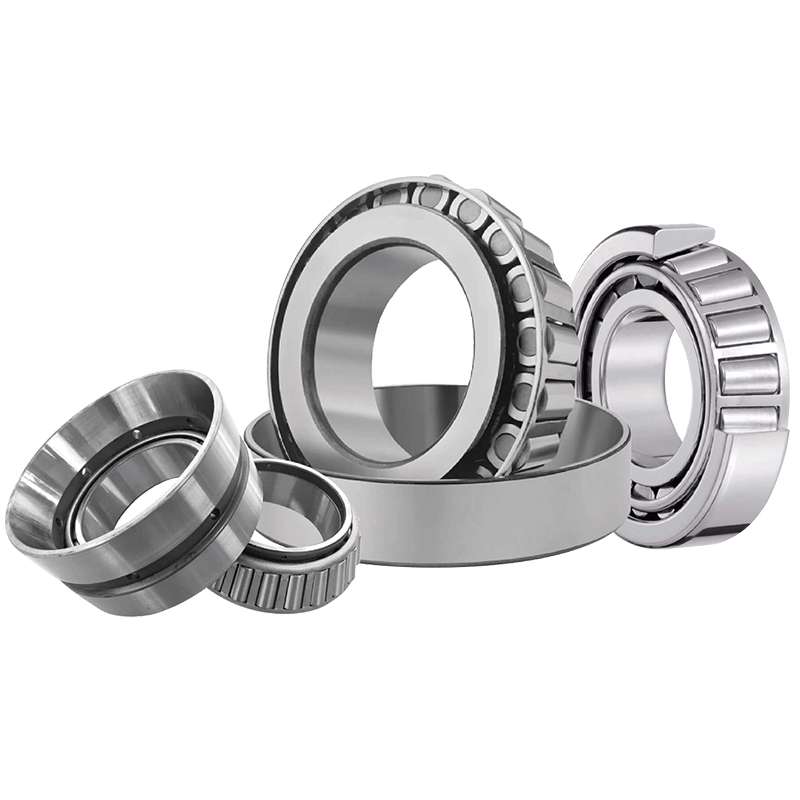
Tapered roller bearings are mechanical components that facilitate rotational motion, using conical rollers to manage radial and axial loads.

tapered roller bearings

FHD Bearings is an ISO 9001:2015 certified manufacturing enterprise that stsock a full range of Cylindrical Roller Bearings,Tapered Roller Bearings,Spherical Roller Bearings,Needle Roller Bearings,Thrust Roller Bearings and Crossed Roller Bearings. With over 1,200 different bearing sizes and over 250K bearings in stock.

Materials

Materials

Steel (Inner and Outer Rings, Tapered Rollers, Cage)

High-carbon chromium steel, such as AISI 52100, is a common choice due to its excellent combination of hardness, toughness, and wear resistance.

Stainless steel (Inner and Outer Rings)

Stainless steel is valued for its resistance to rust and corrosion, making it suitable for environments where exposure to moisture, chemicals, or other corrosive elements is a concern.

Nylon (Cage)

In some applications, especially where weight reduction and resistance to corrosion are priorities, nylon cages may be used as an alternative to steel cages.

Brass (Cage)

Brass cages are utilized in certain applications where non-ferrous materials are preferred, often for their corrosion resistance and aesthetic qualities.

Tapered Roller Bearing,Tapered Roller Bearings

Ceramic (Optional, Tapered Rollers)

In high-performance or specialized applications, ceramic materials may be used for tapered rollers to benefit from properties like reduced weight, increased hardness, and improved resistance to extreme conditions.

Features

Features
Tapered roller bearings

   1.Tapered Design: The most distinctive feature is their tapered design, with the rolling elements (tapered rollers) and raceways forming a cone shape. This design allows tapered roller bearings to handle both radial and axial loads.

   2.Dual Load Capacity: Tapered roller bearings can accommodate both radial and axial (thrust) loads. This dual-load capability makes them suitable for applications where combined radial and axial forces are present.

   3.Adjustable Clearance: Some tapered roller bearings are designed with adjustable clearance, allowing for the adjustment of the internal clearance to accommodate thermal expansion or contraction and variations in operating conditions.

   4.Separable Components: Many tapered roller bearings have separable components, such as the cone (inner ring), cup (outer ring), and rollers. This feature simplifies installation, maintenance, and replacement.

   5.Alignment Tolerance: Tapered roller bearings can accommodate some misalignment between the shaft and housing, providing flexibility in mounting and reducing the need for precise alignment.

   6.Suitability for Axial Thrust: Tapered roller bearings are well-suited for applications where axial thrust needs to be managed efficiently, such as in gearboxes and vehicle transmissions.

Advantages

Advantages

   1.High Load Capacity: Tapered roller bearings are known for their high load-carrying capacity, particularly in applications with heavy axial loads. The tapered geometry helps distribute the load more evenly across the rollers.

   2.Durability and Long Life: Tapered roller bearings are built to withstand heavy loads and provide long service life. The use of high-quality materials and precision manufacturing contributes to their durability.

   3.Efficient Axial Load Transfer: The tapered design of the rollers and raceways enables efficient axial load transfer, making tapered roller bearings well-suited for applications with significant axial loads.

   4.Ease of Installation and Maintenance: The separable design and components contribute to the ease of installation, maintenance, and replacement of tapered roller bearings.

   5.Energy Efficiency: Tapered roller bearings can contribute to energy efficiency in certain applications due to their reduced friction and heat generation.

   6.Temperature Resistance: These bearings can withstand elevated temperatures, making them suitable for applications operating in high-temperature environments.

Tapered Roller Bearing,Tapered Roller Bearings

Applications

Applications
Tapered Roller Bearing,Tapered Roller Bearings
  • Automotive Industry: Used in wheel hubs, transmissions, and differentials to handle radial and axial loads in vehicles.
  • Aerospace Industry: Employed in aircraft landing gear systems for durability and high load-carrying capacity.
  • Heavy Machinery and Construction Equipment: Commonly found in cranes, excavators, and loaders to withstand heavy axial loads.
  • Railroad Industry: Utilized in wheelsets and axleboxes of rolling stock to support radial and axial loads.
  • Industrial Gearboxes: Crucial in industrial gearboxes for supporting and managing loads during power transmission.
  • Mining and Construction Machinery: Employed in harsh conditions for components like conveyor systems, crushers, and gearboxes.

Do you have any questions?

Send inquiry to our expert for support

Key Manufacturing Process of Tapered Roller Bearings

Manufacturing Process

Forging and Forming: Initial shaping of bearing components through forging for a solid structure.

Turning and Machining: Precision machining to refine dimensions and create specific contours using CNC machines.

Heat Treatment: Components undergo quenching for hardness and tempering to maintain strength.

Grinding: Precision grinding ensures accurate dimensions, smooth surfaces, and tight tolerances.

Assembly: Fitting together components (inner and outer rings, rollers, cage) with precision to create the bearing unit.

Caging and Lubrication: Installation of cages (retainers) to hold rollers, and application of lubrication for smooth operation.

Quality Control: Rigorous inspection processes for dimensional accuracy, hardness, and surface finish to meet standards.

Tapered Roller Bearing,Tapered Roller Bearings

FAQ - Frequently Asked Questions

FAQ
tapered roller bearings5

Q: What are tapered roller bearings?
A: Tapered roller bearings are designed with conical rollers and raceways to support combined radial and axial loads efficiently.

Q: What are the main advantages of tapered roller bearings?
A: They offer high load capacity, excellent durability, precise load distribution, and the ability to handle combined loads.

Q: Can tapered roller bearings support axial loads in both directions?
A: A single bearing supports axial load in one direction, but paired configurations can handle axial loads in both directions.

Q: What types of tapered roller bearings are available?
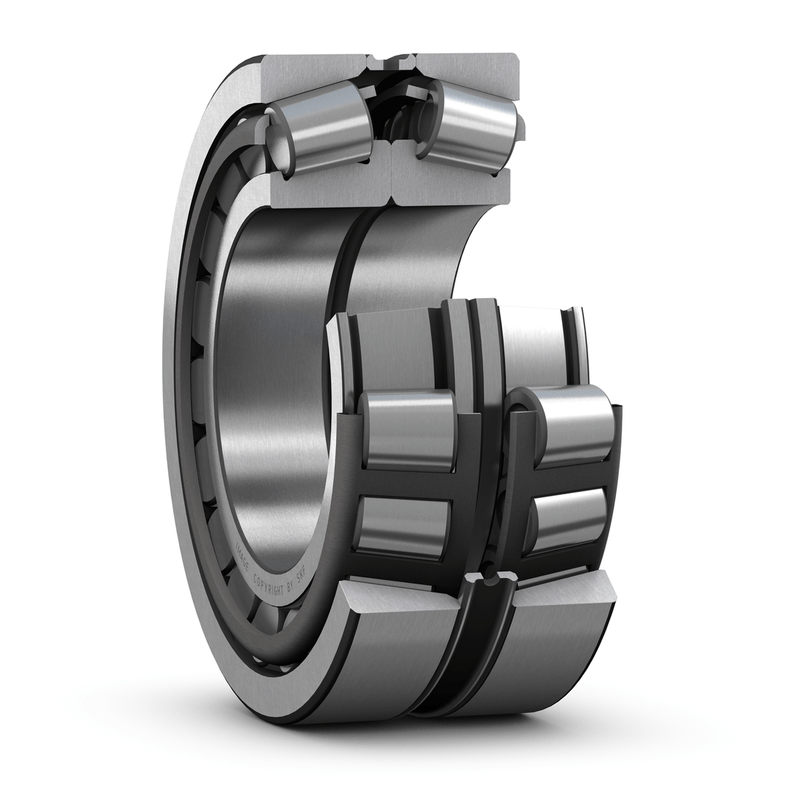
A: Common types include single-row, double-row, and four-row tapered roller bearings for different load and application requirements.

Q: What applications commonly use tapered roller bearings?
A: These bearings are widely used in automotive wheel hubs, gearboxes, construction machinery, mining equipment, and heavy-duty industrial systems.

Q: What materials are used in tapered roller bearings?
A: Typical materials include high-quality bearing steel, case-hardened steel, and special alloys for demanding environments.

Q: How do you select the right tapered roller bearing?
A: Selection depends on load conditions, speed, alignment, lubrication, mounting arrangement, and application requirements.

Q: What is preload in tapered roller bearings?
A: Preload is the axial force applied to eliminate internal clearance, improve stiffness, and enhance bearing performance and accuracy.

Q: How should tapered roller bearings be lubricated?
A: They can be lubricated with grease or oil depending on operating conditions to reduce friction and extend service life.

Q: How to maintain tapered roller bearings?
A: Maintenance includes proper lubrication, correct installation, preventing contamination, monitoring operating conditions, and regular inspection for wear or damage.

Installation and Maintenance

Installation and Maintenance

Installation

  • Preparation: Ensure the work area is clean and well-lit. Prepare tools and inspect components for damage.
  • Mounting the Inner Ring (Cone): Slide the inner ring onto the shaft, applying lubricant, and press it onto the shaft using a suitable tool.
  • Placing the Tapered Rollers: Carefully place tapered rollers into the cup with the cage, ensuring even distribution.
  • Mounting the Outer Ring (Cup): Position the outer ring onto the housing, pressing it into place using a suitable tool.
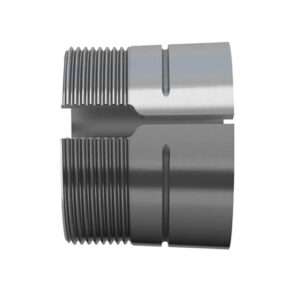
  • Axial Adjustment: Adjust axial clearance according to specifications by tightening or loosening the nut.
  • Securing Components: Install locking devices, such as a locknut or cotter pin, to secure bearing components in place.
Tapered Roller Bearing,Tapered Roller Bearings
tapered roller bearings6

Maintenance

  • Regular Lubrication: Implement a regular lubrication schedule using the recommended clean lubricant.
  • Monitoring Temperature: Regularly monitor the bearing’s operating temperature to detect issues like inadequate lubrication or misalignment.
  • Inspecting Seals and Shields: Periodically inspect seals and shields for damage, replacing any compromised components.
  • Vibration Analysis: Use vibration analysis tools to monitor bearing condition and identify issues like misalignment or imbalance.
  • Re-Greasing: When re-greasing is needed, follow manufacturer recommendations for the type and quantity of grease.
  • Periodic Inspections: Conduct visual inspections regularly, addressing signs of wear, corrosion, or damage promptly.

Related Posts

LET’S KEEP IN TOUCH!

We’d love to keep you updated with our latest news. 😎

We don’t spam! Read our privacy policy for more info.

Consult

This site uses cookies

We and selected third parties use cookies (or similar technologies) for technical purposes, to enhance and analyze site usage, to support our marketing efforts, and for other purposes described in our Cookie Policy