Table of Contents

Chips

1. Introduction to Yaw Bearings in Wind Projects
The Role of Yaw Bearings in Wind Turbines
Yaw bearings are the backbone of wind turbine orientation, allowing the nacelle to pivot and face the wind head-on. This simple yet critical function maximizes power capture and keeps the turbine operating efficiently. Without yaw bearings, turbines would be little more than stationary giants, missing out on much of their energy potential.
Why Precision Matters in Demanding Applications
When turbines stretch hundreds of feet into the sky, even the smallest misalignment can cause massive inefficiencies. Precision in yaw bearings ensures smooth rotation, minimal wear, and long-term reliability under relentless conditions. In an industry where uptime is king, accuracy in design and production is non-negotiable.
Impact on Performance and Operational Costs
High-precision yaw bearings cut down on maintenance frequency and reduce the likelihood of catastrophic failure. This translates directly into savings for operators and procurement teams, who often balance razor-thin margins. Over time, better precision lowers total operating costs while improving energy output.
2. Understanding Yaw Bearing Fundamentals
Definition and Core Functionality
A yaw bearing is a large-diameter, slow-speed bearing designed to enable the nacelle’s rotation atop the tower. It distributes loads from multiple directions while allowing controlled movement. In simple terms, it’s the hinge that keeps the whole system flexible and responsive.
Comparison with Other Turbine Bearings
Unlike pitch or main shaft bearings, yaw bearings handle dynamic loads across enormous diameters. They’re designed for intermittent motion rather than continuous high-speed rotation. This makes their construction, materials, and lubrication requirements distinct from other turbine bearings.
Key Design Considerations
Designers weigh factors such as diameter, load distribution, friction, and sealing effectiveness. Durability against fatigue and corrosion is just as important as precision alignment. Every decision in yaw bearing design ultimately shapes turbine reliability and procurement value.
3. The Demands of Modern Wind Projects
Larger Turbines and Heavier Loads
Modern wind turbines push the limits of scale, with rotor diameters and towers growing taller each year. As turbines get larger, yaw bearings must withstand heavier static and dynamic forces. Bigger machines demand stronger, more resilient bearings with uncompromising precision.
Harsh Offshore and Onshore Environments
Offshore projects expose bearings to salt spray, storms, and relentless moisture, while onshore turbines battle dust, sand, and temperature extremes. Both environments are unforgiving, and bearings must rise to the challenge. These conditions demand robust materials and coatings that can take a beating without faltering.
Procurement Challenges in Global Markets
Procurement professionals face hurdles such as fluctuating steel prices, global logistics bottlenecks, and the need for trusted OEM/ODM partners. Delays or inferior products can derail entire projects. Selecting the right supplier is as critical as the engineering itself.
4. Precision Engineering in Yaw Bearings
Tight Tolerances and Exact Specifications
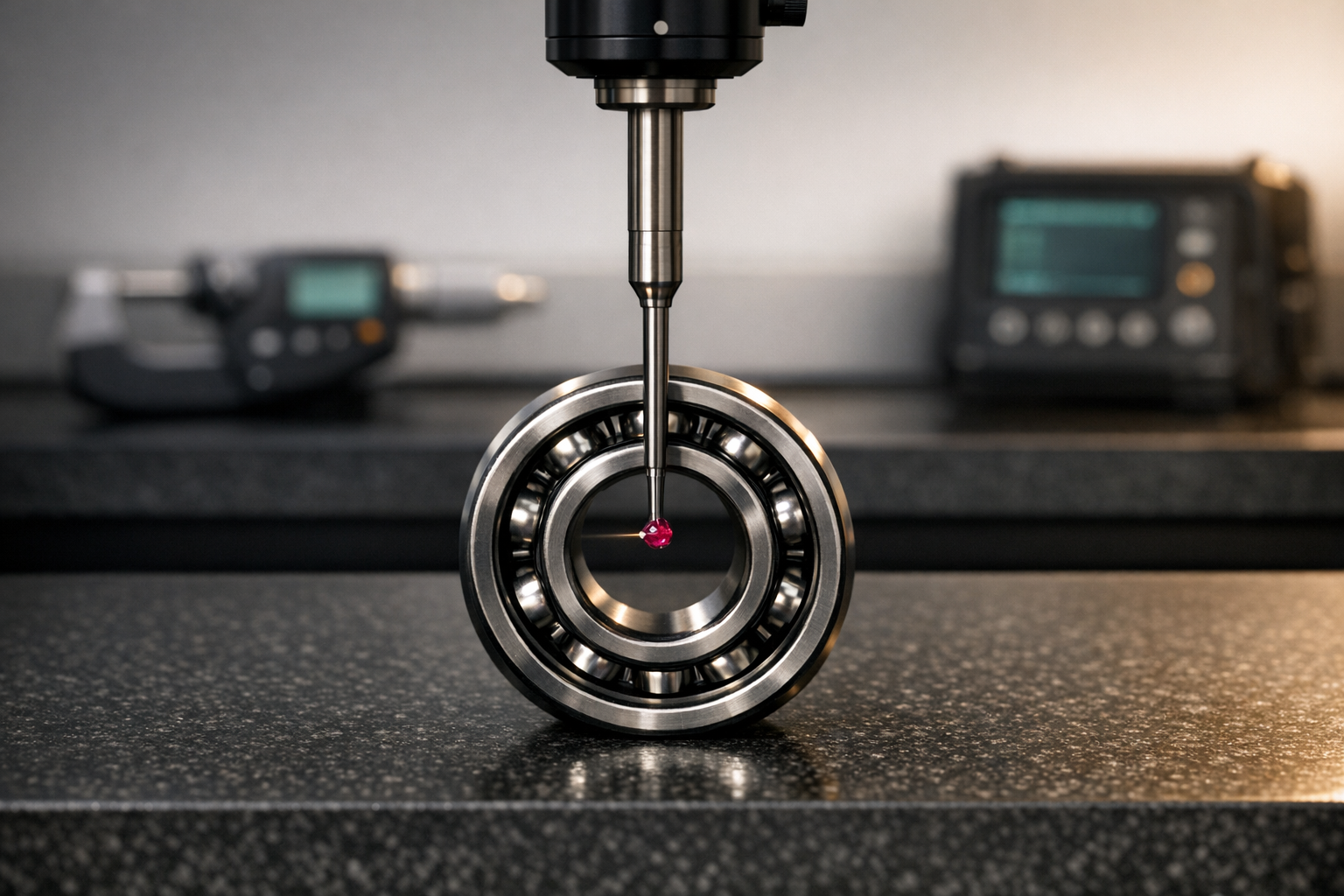
Yaw bearings are manufactured to hair-splitting tolerances, often within fractions of a millimeter. This ensures smooth performance and prevents uneven wear. Precision at this level separates premium bearings from the pack.
Advanced Machining and Production Methods
Computer-controlled machining, precision heat treatment, and surface finishing guarantee consistency. High-tech methods minimize imperfections and maintain repeatability in large-scale production. These advances drive the evolution of yaw bearing performance.
Role of Quality Control Systems
Every stage of production is backed by rigorous testing and inspections. Quality assurance ensures bearings meet global standards and client specifications. Skipping this step is like gambling with an entire wind project’s success.
5. Material Selection for Durability
High-Grade Steels and Composites
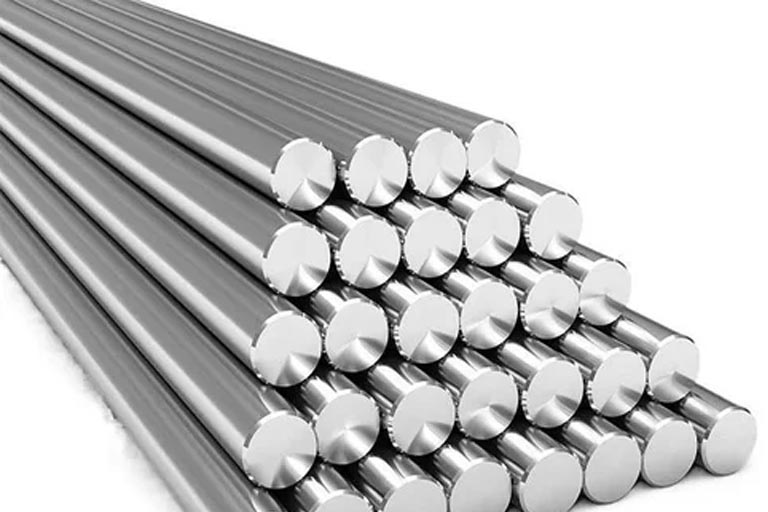
Premium yaw bearings rely on alloy steels engineered for fatigue resistance. In some cases, advanced composites reduce weight while maintaining strength. Choosing the right base material directly impacts long-term reliability.
Corrosion-Resistant Coatings
Protective coatings, from specialized paints to plasma sprays, safeguard against rust and chemical attack. Offshore turbines particularly benefit from these treatments. Coatings extend bearing life and reduce costly downtime.
Balancing Strength and Weight
Materials must strike a balance between being robust enough to withstand loads yet light enough to avoid excessive structural stress. Overly heavy bearings can complicate installation and strain towers. Smart material selection avoids these pitfalls.
6. Load Handling Capabilities
Axial and Radial Load Distribution
Yaw bearings must juggle forces from every direction—vertical, horizontal, and everything in between. Proper load distribution prevents localized stress and premature wear. A well-engineered bearing spreads the burden evenly across its raceways.
Moment Load Resistance
Turbines experience massive overturning moments from wind gusts and rotor rotation. Bearings are designed to resist these forces without distortion. Strong resistance to moment loads ensures turbines stay upright and reliable.
Impact of Fluctuating Wind Conditions
Wind is never constant, meaning bearings endure irregular, pulsating loads. These fluctuations can wreak havoc on poorly designed systems. Precision engineering allows yaw bearings to handle turbulence gracefully.
7. Lubrication and Friction Management
Types of Lubrication Used in Yaw Bearings
Grease is the most common choice for yaw bearings, often enhanced with additives for extreme pressure. Some systems integrate automatic lubrication to ensure consistency. The right lubricant keeps bearings running smoothly for years.
Minimizing Wear and Extending Service Life
Proper lubrication reduces friction, lowers heat buildup, and limits material degradation. Bearings without sufficient lubrication fail far earlier than expected. Maintenance crews depend on this safeguard to stretch service intervals.
Smart Lubrication Monitoring Systems
Modern turbines deploy sensors to monitor grease levels and distribution. These systems alert operators before problems snowball. It’s like having a watchdog built right into the bearing.
8. Yaw Bearing Design Variations
Four-Point Contact Ball Bearings
These bearings are a popular choice, offering excellent load capacity and versatility. They handle both axial and radial loads with ease. Their compact design makes them suitable for a wide range of turbines.
Cross-Roller Designs
Cross-roller bearings provide high stiffness and precise motion control. Their arrangement of cylindrical rollers allows them to withstand larger moment loads. These designs are favored in especially demanding applications.
Customized Configurations for Projects
Every wind project has unique requirements, from turbine size to environmental conditions. Custom-designed yaw bearings meet those specific demands. OEM/ODM capabilities give procurement teams flexibility.
9. Challenges in Offshore Applications
Saltwater Corrosion Risks
Salt spray can penetrate seals and eat away at unprotected steel. Even small areas of corrosion compromise structural integrity. Protective coatings and tight sealing are indispensable offshore.
Extreme Temperature Fluctuations
Offshore turbines face freezing winters and sweltering summers, often within the same site. Bearings must retain their properties across these extremes. Materials and lubricants are selected with this variability in mind.
Limited Maintenance Accessibility
Crews can’t always access offshore turbines easily, meaning bearings must be dependable over long intervals. Reliability reduces the frequency of risky and costly maintenance trips. Offshore turbines demand bearings that simply don’t quit.
10. Manufacturing Excellence for Precision
State-of-the-Art Production Facilities
Modern yaw bearings are born in advanced factories equipped with CNC machining, automated inspection, and precision finishing. These facilities guarantee repeatability. Without them, consistent precision would be impossible.
Skilled Engineering Workforce
Behind every precise yaw bearing is a team of experienced engineers and technicians. Their expertise ensures every design detail is executed correctly. Human know-how still makes the difference in advanced manufacturing.
Advanced Testing and Validation
From non-destructive testing to full load simulations, validation ensures yaw bearings can handle real-world stresses. Testing weeds out weaknesses before products hit the field. This is the insurance policy procurement teams count on.
11. Cost Considerations for Procurement Teams
Balancing Price with Long-Term Value
Cheaper isn’t always better when it comes to yaw bearings. A slightly higher upfront cost can mean dramatically fewer maintenance headaches later. Smart procurement looks at the big picture, not just initial quotes.
Total Cost of Ownership Perspective
Evaluating bearings across their lifespan includes installation, maintenance, and downtime. Bearings that last longer and require fewer interventions ultimately save money. Procurement decisions shape long-term profitability.
Strategies for Competitive Sourcing
Building relationships with reliable suppliers, negotiating volume discounts, and evaluating alternative materials are all ways to optimize procurement. A sharp strategy ensures quality without overspending.
12. Global Supply Chain and OEM/ODM Options
Custom Manufacturing Capabilities
Procurement professionals often require bearings tailored to unique specifications. OEM/ODM partners provide custom solutions without compromising quality. This flexibility is vital in modern wind projects.
Flexible Order Volumes for Procurement
From small pilot projects to massive offshore farms, suppliers must handle varying order sizes. Scalable production ensures procurement teams get what they need when they need it. This adaptability helps keep projects on track.
Logistics and International Delivery
Global projects demand timely shipping and efficient customs clearance. Suppliers with robust logistics networks streamline these challenges. Reliable delivery keeps installation schedules from slipping.
13. Quality Assurance and Certifications
Industry Standards and Compliance
Yaw bearings must comply with international standards like ISO and IEC. Meeting these benchmarks reassures procurement teams of consistent quality. Compliance is the language of trust in global trade.
Traceability in Production Processes
From raw steel to finished product, every step is documented. Traceability ensures accountability and helps resolve any issues that arise. Procurement teams value this transparency.
Third-Party Testing and Validation
Independent testing adds another layer of confidence. It proves performance claims and eliminates doubt. For procurement professionals, this is an extra layer of insurance.
14. Extending Service Life with Proper Maintenance
Inspection Schedules and Procedures
Regular inspections help catch small issues before they grow into major failures. Checklists and diagnostic tools streamline the process. Consistent maintenance stretches service life dramatically.
Common Failure Modes to Watch For
Wear, pitting, and lubrication breakdown are the usual culprits in yaw bearing issues. Recognizing these early helps operators plan interventions. Awareness is half the battle.
Predictive Maintenance Technologies
Modern turbines integrate sensors and AI-driven analytics to predict bearing wear. Predictive systems allow repairs to be scheduled before failures occur. This proactive approach keeps downtime to a minimum.
15. Innovation and Future Trends in Yaw Bearings
Integration of Smart Sensors
Sensors embedded in bearings track vibration, temperature, and lubrication. This data-driven approach optimizes performance. It’s like giving bearings their own health monitoring system.
Lightweight Materials Under Development
Research into composites and alloys promises stronger, lighter yaw bearings. These innovations reduce stress on towers while boosting efficiency. The next generation of materials is just around the corner.
Digital Twins for Predictive Modeling
Digital twins simulate yaw bearing performance under countless conditions. This helps engineers anticipate problems and refine designs. Predictive modeling is quickly becoming a game-changer.
16. Selecting the Right Partner for Yaw Bearings
Criteria for Evaluating Manufacturers
Experience, capacity, certifications, and past performance all matter when choosing suppliers. The right partner balances technical excellence with reliable delivery. Procurement professionals must weigh all these factors carefully.
Importance of Technical Support and Service
Beyond manufacturing, suppliers must provide strong after-sales support. Engineers who troubleshoot and advise keep projects running smoothly. This service sets top suppliers apart.
Building Long-Term Procurement Relationships
Strong partnerships are built on trust, transparency, and shared goals. Long-term relationships yield better pricing, quicker response times, and smoother project execution. Procurement isn’t just about buying—it’s about building.
17. Case Studies from Demanding Wind Projects
Offshore Wind Farm Examples
Offshore projects in Europe and Asia demonstrate the harshest test environments for yaw bearings. Success stories highlight the importance of precision engineering. These examples inspire confidence in proven designs.
Lessons Learned from Large-Scale Projects
Big projects teach valuable lessons about durability, supply chain management, and cost optimization. Each case study adds insight into smarter procurement. Experience is the best teacher in wind energy.
Performance Improvements Through Precision
Projects that invested in high-precision yaw bearings report fewer breakdowns and higher uptime. Precision directly translates into profitability. The connection couldn’t be clearer.
18. Conclusion and Key Takeaways
Recap of Precision’s Impact on Wind Projects
Yaw bearings are unsung heroes in wind turbines, and precision is their greatest strength. Without exact engineering, efficiency and reliability crumble.
Importance of Procurement Decisions
Procurement teams hold the reins when it comes to quality and long-term performance. The right decisions today pay dividends for decades. Smart sourcing keeps turbines spinning profitably.
Future Outlook for Yaw Bearing Technology
The future is headed toward smarter, lighter, and more efficient bearings. As turbines grow, precision will only become more critical. The next chapter in wind energy will be written on the back of yaw bearing innovation.