Table of Contents

Chips
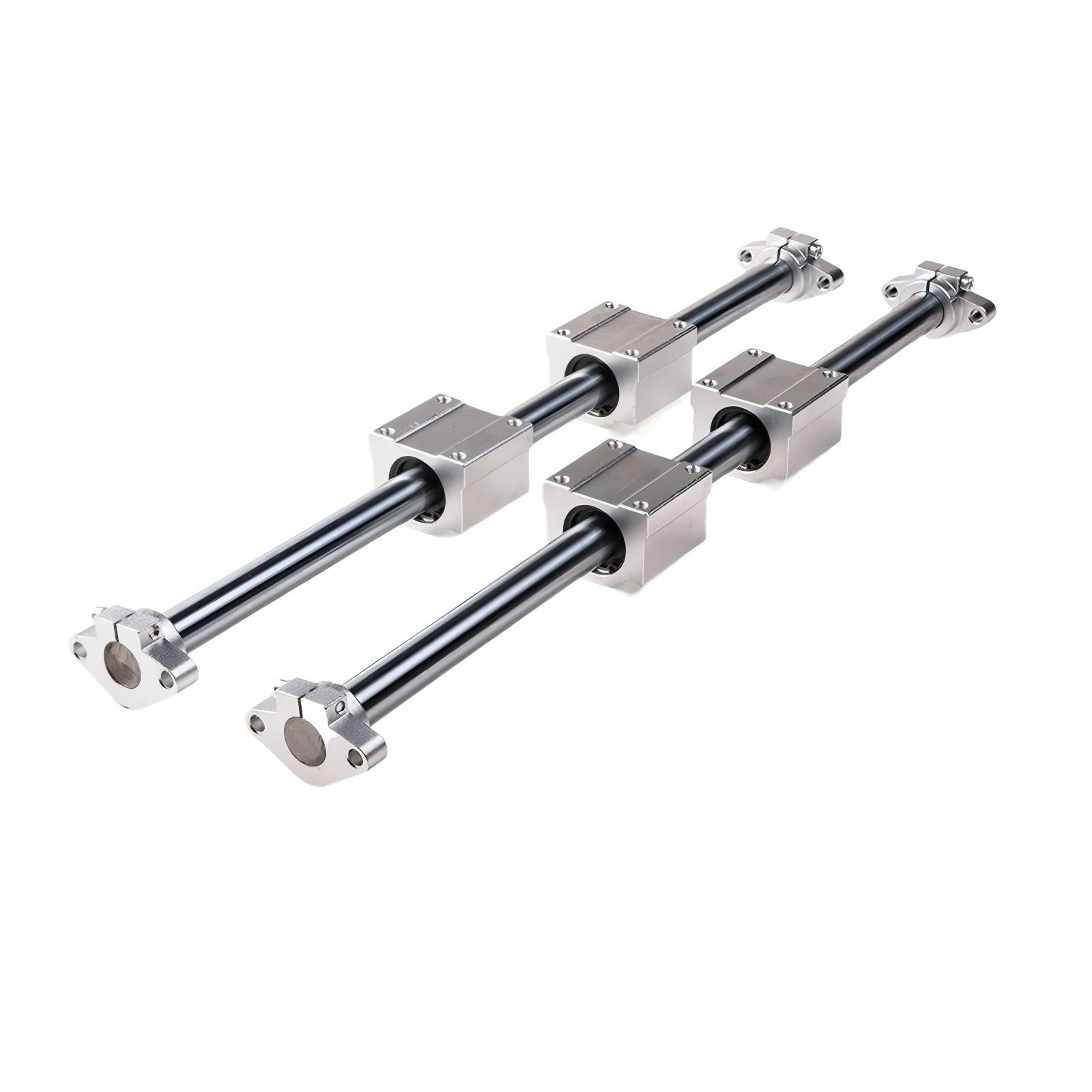
1. Understanding Precision in Linear Rod Bearings
What precision means in linear motion systems
Precision in a linear motion system is all about hitting the same mark every single time without wandering off course. From an engineer’s standpoint, it’s the confluence of straightness, smoothness, and positional fidelity working in harmony. When precision slips, even by a hair, machines start acting squirrelly and product quality goes downhill fast.
Tolerances and repeatability basics
Tolerances define the allowable deviation from nominal dimensions, and repeatability is the system’s ability to return to the same position cycle after cycle. Folks often conflate accuracy with repeatability, but they’re different animals entirely. Tight tolerances without repeatability are like a fancy truck that won’t start on cold mornings.
How bearings influence system accuracy
2. Choosing the Wrong Bearing Type
Ball bearings vs plain bearings
Ball bearings offer low friction and high precision, while plain bearings bring robustness and forgiveness to dirty environments. Picking one over the other without weighing trade-offs is a rookie mistake. Use the wrong style and you’ll be fighting chatter, wear, or drag from day one.
Misjudging load and speed requirements
Every bearing has a sweet spot where load and speed coexist peacefully. Push beyond that envelope and precision evaporates quicker than coffee on a hot shop floor. Engineers need to look at real operating conditions, not brochure numbers.
Ignoring application-specific designs
Some applications demand self-aligning bearings, corrosion resistance, or dry-running capability. Ignoring those nuances is asking for premature failure. Bearings aren’t one-size-fits-all, no matter how tempting that sounds to purchasing.
3. Incorrect Shaft Material Selection
Using soft or unground shafts
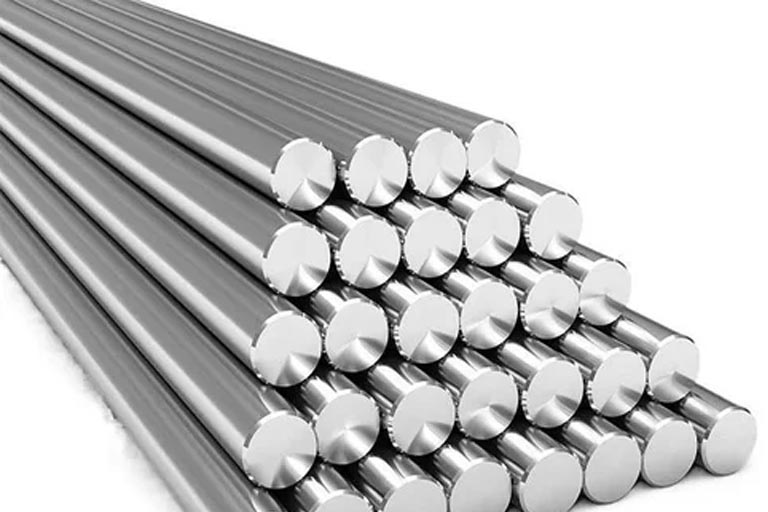
Soft shafts deform under load, and unground shafts introduce waviness that bearings simply can’t forgive. The result is uneven wear and unpredictable motion. Precision systems demand hardened, precision-ground rods, plain and simple.
Surface finish and hardness issues
Surface finish affects friction, noise, and bearing life more than most people realize. Too rough and the bearing chews itself apart; too smooth and lubrication may not stick. Hardness must match the bearing’s design intent or precision will steadily erode.
Compatibility between shaft and bearing
Bearing materials are engineered to mate with specific shaft properties. Mismatched combinations accelerate wear and compromise accuracy. It’s like pairing a race tire with gravel roads—wrong tool for the job.
4. Poor Alignment During Installation
Angular misalignment problems
Angular misalignment forces bearings to operate under constant internal stress. This leads to uneven load paths and localized wear zones. Over time, precision drifts and operators start chasing ghosts.
Parallelism and concentricity errors
Parallel rods that aren’t truly parallel will bind, even if the bearings are top shelf. Concentricity errors compound the issue, creating cyclic resistance during travel. These mistakes usually show up as vibration and inconsistent positioning.
Long-term effects of misalignment
Misalignment doesn’t just cause immediate issues; it’s a slow burn. Bearings wear unevenly, shafts score, and accuracy degrades incrementally. By the time it’s obvious, the damage is already baked in.
5. Overlooking Load Ratings
Static load miscalculations
Static load ratings tell you how much weight a bearing can hold without permanent deformation. Ignore them and you risk brinelling the raceways. Once that happens, precision is officially toast.
Dynamic load misunderstandings
Dynamic loads are what bearings live with during motion, and they’re often underestimated. Continuous cycling amplifies small miscalculations into big problems. Bearings overloaded dynamically lose smoothness and repeatability in a hurry.
Shock and moment load neglect
Shock loads and moments sneak up on designs like a bad surprise. They introduce forces that standard load calculations don’t always capture. Without accounting for them, precision systems get knocked off their game.
6. Improper Lubrication Practices
Using the wrong lubricant type
Not all lubricants play nice with all bearings. Viscosity, additives, and base oils matter more than folks think. The wrong choice can increase drag and contaminate the bearing internals.
Over-lubrication and under-lubrication
Too much grease causes churning and heat, while too little invites metal-on-metal contact. Either way, precision suffers. Finding the Goldilocks zone is key to smooth operation.
Ignoring lubrication intervals
Lubrication breaks down over time, no matter how good it started out. Skipping intervals leads to dry spots and abrasive wear. That’s a slow-motion precision killer.
7. Contamination and Dirt Exposure
Effects of dust and debris
Dust particles act like microscopic grinding media inside bearings. Once inside, they scar raceways and balls alike. Precision systems hate dirt, plain and simple.
Coolant and moisture intrusion
Coolants and moisture wash away lubricants and invite corrosion. Rust pits may be tiny, but they wreak havoc on smooth motion. Keeping fluids out is non-negotiable.
Missing seals and protective covers
Seals and covers aren’t optional accessories; they’re frontline defenses. Skipping them to save a buck usually costs ten later. Precision depends on a clean operating environment.
8. Inadequate Mounting Structures
Flexing and vibration sources
A bearing mounted on a flimsy structure will never deliver precision. Flex and vibration distort alignment under load. The bearing takes the blame, but the structure is the real culprit.
Weak housings and supports
Housings must hold bearings rigidly without distortion. Weak supports allow micro-movements that snowball into accuracy loss. Solid mounting is the foundation of precision.
Tolerance stack-up in assemblies
Stacked tolerances can quietly sabotage alignment. Each small deviation compounds the next. Without careful control, the final assembly drifts out of spec.
9. Ignoring Thermal Expansion
Temperature changes in operation
Machines heat up during operation, and materials expand accordingly. Ignore that fact and clearances vanish or grow unexpectedly. Precision shifts as temperatures fluctuate.
Differential expansion between components
Different materials expand at different rates. That mismatch introduces stress and misalignment. Engineers must account for these thermal dynamics from the start.
Heat buildup from friction
Excess friction generates heat, which feeds back into expansion issues. It’s a vicious cycle that degrades accuracy. Managing friction keeps precision stable.
10. Skipping Regular Maintenance
Wear signs that go unnoticed
Bearings telegraph problems through noise, vibration, and feel. Ignore those signs and wear progresses unchecked. Precision fades quietly until failure becomes obvious.
Lack of inspection schedules
Without routine inspections, small issues slip through the cracks. Scheduled checks catch problems early. That’s how precision systems stay sharp.
Deferred replacement consequences
Running bearings past their service life is a gamble. Wear accelerates rapidly near the end. Replacing early beats rebuilding later.
11. Using Incorrect Bearing Clearance
Too tight clearance effects
Clearances that are too tight increase friction and heat. Bearings lose their smooth glide and start to bind. Precision motion turns into a wrestling match.
Excessive play and backlash
Too much clearance introduces play that shows up as backlash. Positioning becomes inconsistent and sloppy. Precision applications can’t tolerate that kind of looseness.
Clearance changes over time
Wear, temperature, and load all change clearance over time. What starts perfect can drift out of range. Monitoring clearance preserves accuracy.
12. Mismatched Bearing and Rod Sizes
Nominal size assumptions
Assuming nominal sizes match perfectly is wishful thinking. Manufacturing variations are real and unavoidable. Precision demands measured, not assumed, fits.
Manufacturing tolerances mismatch
Bearings and rods from different suppliers may stack tolerances poorly. That mismatch causes either binding or looseness. Consistency is king in precision systems.
Fit issues during assembly
Forcing parts together damages surfaces and ruins alignment. Proper fits should slide together smoothly. Assembly errors haunt systems for their entire lifespan.
13. Overconstraining the Linear System
Redundant bearings on one axis
Adding extra bearings seems like added stability, but it often backfires. Redundancy overconstrains motion paths. The system binds instead of running true.
Binding caused by rigid layouts
Rigid layouts leave no room for natural variation. Even tiny misalignments cause binding. Precision improves when the system can breathe a little.
Allowing for self-alignment
Self-aligning bearings compensate for minor errors gracefully. They reduce internal stress and wear. Sometimes flexibility is the secret sauce for precision.
14. Operating Beyond Design Limits
Exceeding speed ratings
Speed ratings exist for a reason. Push past them and lubrication fails, heat spikes, and wear accelerates. Precision disappears fast at excessive speeds.
Continuous duty vs intermittent use
Bearings rated for intermittent use may overheat in continuous duty. Duty cycle matters more than many realize. Misjudging it shortens bearing life dramatically.
Ignoring manufacturer specifications
Manufacturer specs are hard-earned wisdom, not suggestions. Ignoring them is rolling the dice with precision. Following them keeps systems predictable.
15. Poor Environmental Considerations
Corrosive atmospheres
Corrosive environments attack bearings chemically. Even stainless options have limits. Corrosion undermines smooth motion and accuracy.
High-vibration environments
Vibration loosens mounts and fatigues components. Bearings suffer micro-damage that accumulates over time. Precision erodes under constant shaking.
Cleanroom and hygienic needs
Cleanroom applications demand special materials and lubricants. Standard bearings shed particles and fail compliance. Precision includes cleanliness in these settings.
16. Failing to Validate with Testing
Lack of prototype testing
Skipping prototype testing saves time upfront but costs later. Real-world testing reveals hidden flaws. Precision systems benefit from shaking out issues early.
Missing precision measurement checks
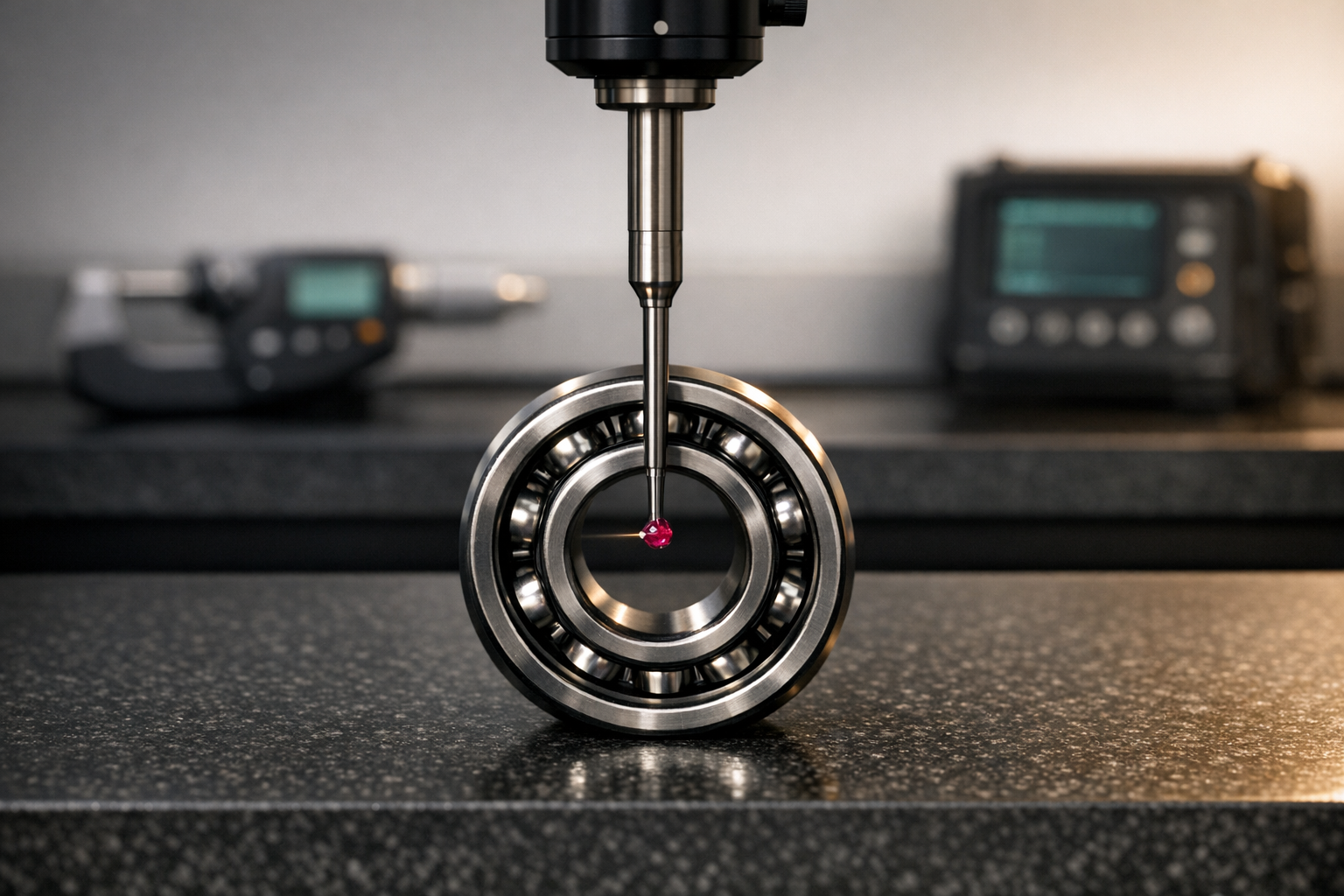
Without measurement, precision is just a guess. Laser tools, indicators, and encoders verify performance. Data keeps designs honest.
Not monitoring performance over time
Precision isn’t static; it changes with wear and conditions. Ongoing monitoring catches drift before it matters. That’s how engineers stay ahead of trouble.