Bearings Manufacturer Since 2000

Trusted by 1,000+ Clients

Spherical Roller Bearings

Spherical Roller Bearings

Definition

Definition

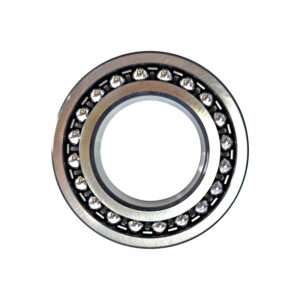
Spherical roller bearings facilitate smooth rotation by accommodating misalignment and axial loads, with a design that features a spherical outer ring and two raceways.

spherical-roller-bearings

FHD Bearings is an ISO 9001:2015 certified manufacturing enterprise that stsock a full range of Cylindrical Roller Bearings,Tapered Roller Bearings,Spherical Roller Bearings,Needle Roller Bearings,Thrust Roller Bearings and Crossed Roller Bearings. With over 1,200 different bearing sizes and over 250K bearings in stock.

Materials

Materials

Steel

Most roller bearings are made from various grades of steel, such as carbon steel or alloy steel, for strength and durability.

Stainless Steel

Offers corrosion resistance, making it suitable for applications where exposure to moisture or harsh environments is a concern.

Chrome Steel

A popular choice due to its high hardness, wear resistance, and good corrosion resistance properties.

Plastic

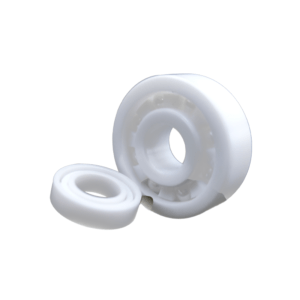
Some bearings use plastic materials for the cage or rolling elements, providing benefits such as lightweight construction and resistance to corrosion in certain environments.

Spherical Roller Bearing,Spherical Roller Bearings

Ceramic

Bearings with ceramic rollers or balls are used for specific applications where high temperature, corrosion resistance, or electrical insulation is required.

Bronze

Bronze bearings may be used in specialized applications, offering good wear resistance and self-lubricating properties.

Features

Features
spherical-roller-bearings2

   1.Spherical Design: Feature a spherical outer ring, allowing for misalignment compensation and improved performance under varying operating conditions.

   2.Double-Row Configuration: Equipped with two rows of barrel-shaped rollers, distributing radial and axial loads more effectively than single-row bearings.

   3.Self-Aligning Capability: Can accommodate shaft misalignment, reducing stress and wear on components, enhancing reliability in applications with shaft deflection or misalignment.

   4.High Load Capacity: Robust design enables the handling of heavy radial and axial loads, making them suitable for demanding industrial applications.

   5.Lubrication Grooves and Holes: Often designed with lubrication features like grooves and holes in the outer ring to facilitate proper lubrication distribution, ensuring longevity and optimal performance.

   6.Variety of Cages: Available with different cage materials (e.g., steel, brass, or polyamide) to suit specific application requirements and operating conditions.

Advantages

Advantages

   1.Misalignment Tolerance: Spherical roller bearings excel in compensating for shaft misalignment, reducing stress and extending bearing life.

   2.High Load Handling: With a double-row design, they effectively manage heavy radial and axial loads, suitable for demanding industrial applications.

   3.Versatility: Spherical roller bearings adapt well to diverse applications, making them a reliable choice for various industries and equipment.

   4.Self-Aligning Performance: Their ability to handle dynamic conditions, such as shaft deflection or vibration, enhances reliability in challenging operating environments.

   5.Efficient Lubrication: Designed with lubrication grooves and holes, these bearings ensure optimal lubricant distribution, contributing to longer bearing life and reduced maintenance.

Spherical Roller Bearing,Spherical Roller Bearings

Applications

Applications
Spherical Roller Bearing,Spherical Roller Bearings
  • Heavy Machinery: Used in large industrial machinery such as crushers, conveyors, and mining equipment due to their ability to handle heavy radial and axial loads.
  • Steel Processing Plants: Employed in equipment like rolling mills and steelmaking machinery where robust bearings are essential for withstanding harsh operating conditions.
  • Paper and Pulp Industry: Spherical roller bearings are utilized in paper machines, pulp processing, and printing equipment to support heavy loads and provide reliable performance.
  • Power Generation: Found in turbines, generators, and power transmission equipment, where their high load capacity and misalignment compensation are crucial.
  • Gearboxes and Transmissions: Used in various gearboxes and transmission systems in automotive, marine, and industrial applications due to their durability and load-handling capabilities.
  • Construction Equipment: Found in construction machinery, including cranes, excavators, and concrete mixers, where their ability to handle dynamic loads and misalignment is beneficial.

Do you have any questions?

Send inquiry to our expert for support

Key Manufacturing Process of Spherical Roller Bearings

Manufacturing Process

Forging: The process begins with forging the bearing rings, inner and outer, from high-quality steel or other suitable alloys. This step ensures the initial formation of the ring’s shape.

Turning and Grinding: The forged rings undergo precision turning and grinding processes to achieve the desired dimensions, smooth surfaces, and tight tolerances necessary for optimal bearing performance.

Heat Treatment: Heat treatment, including processes like quenching and tempering, enhances the hardness, toughness, and overall mechanical properties of the bearing components, ensuring durability under heavy loads.

Roller and Cage Assembly: The rollers and cage components are assembled with precision onto the inner ring. Depending on the design, cages may be made of steel, brass, or other materials.

Lubrication Grooving and Holes: Lubrication features, such as grooves and holes, are machined into the bearing components to facilitate proper lubricant distribution, crucial for reducing friction and wear.

Assembly and Quality Control: The final assembly involves fitting the inner and outer rings, rollers, and cage together. Rigorous quality control measures, including dimensional checks and performance testing, ensure that each bearing meets the specified standards before it is ready for use.

Spherical Roller Bearing,Spherical Roller Bearings

FAQ - Frequently Asked Questions

FAQ
spherical-roller-bearings5

Q: What are spherical roller bearings?
A: Spherical roller bearings are designed with two rows of rollers and a spherical raceway, allowing them to accommodate heavy radial loads and misalignment.

Q: What are the main advantages of spherical roller bearings?
A: They offer high load capacity, self-aligning capability, durability, and reliable performance under harsh operating conditions.

Q: Can spherical roller bearings handle axial loads?
A: Yes, they can support axial loads in both directions in addition to heavy radial loads.

Q: What types of spherical roller bearings are available?
A: Common types include cylindrical bore and tapered bore designs, as well as sealed and open versions for different applications.

Q: What applications commonly use spherical roller bearings?
A: These bearings are widely used in mining equipment, construction machinery, conveyors, crushers, and heavy-duty industrial applications.

Q: What materials are used in spherical roller bearings?
A: Typical materials include high-quality bearing steel, stainless steel, and special alloys designed for extreme loads and harsh environments.

Q: How do you select the right spherical roller bearing?
A: Selection depends on load requirements, misalignment tolerance, speed, operating environment, lubrication, and mounting conditions.

Q: What is the difference between tapered bore and cylindrical bore spherical roller bearings?
A: Tapered bore bearings allow easier mounting and adjustment on shafts, while cylindrical bore bearings provide a direct fit for standard shaft designs.

Q: How should spherical roller bearings be lubricated?
A: They can be lubricated with grease or oil depending on operating conditions to ensure reduced friction and extended service life.

Q: How to maintain spherical roller bearings?
A: Maintenance includes proper lubrication, preventing contamination, correct installation, monitoring vibration and temperature, and regular inspection for wear or damage.

Installation and Maintenance

Installation and Maintenance

Installation

  • Prepare the Work Area: Before starting the installation process, ensure that the work area is clean and well-organized. Remove any debris or contaminants that could compromise the cleanliness of the bearing components.
  • Inspect the Bearings: Thoroughly inspect the spherical roller bearings before installation. Check for any visible damage, such as nicks, dents, or scratches. Ensure that the bearings are the correct size and type for the intended application.
  • Check Shaft and Housing Tolerances: Verify that the shaft and housing tolerances conform to the specifications provided by the bearing manufacturer. Proper fits are essential for preventing misalignment and ensuring the bearings can accommodate the required loads.
  • Apply Lubrication: Lubricate the bearings with the recommended grease or oil specified by the manufacturer. Proper lubrication is crucial for reducing friction, dissipating heat, and preventing premature wear. Ensure that the lubricant is evenly distributed throughout the bearing.
  • Mount the Bearings: Carefully mount the spherical roller bearings onto the shaft or into the housing. Take note of any special instructions provided by the manufacturer regarding the orientation of the bearing and any additional components, such as seals or shields.
  • Adjust Clearances and Alignment: If necessary, adjust the internal clearances according to the manufacturer’s specifications. This step is crucial for accommodating thermal expansion, ensuring proper functioning, and preventing premature failure. Check and adjust the alignment to minimize misalignment issues.
spherical-roller-bearings6
spherical-roller-bearings7

Maintenance

  • Regular Lubrication: Lubricate bearings at recommended intervals using specified grease or oil to reduce friction and wear.
  • Monitor Operating Conditions: Regularly check temperature, vibration, and noise levels to detect abnormalities and address issues promptly.
  • Implement Proper Sealing: Use effective seals to protect against contaminants, reducing the risk of premature wear. Replace seals as needed.
  • Check Alignment: Ensure proper shaft and housing alignment to prevent misalignment issues, which can reduce bearing lifespan.
  • Perform Regular Inspections: Conduct routine visual inspections for signs of wear, damage, or fatigue. Address issues promptly.
  • Control Contamination: Keep work areas clean, use clean tools when handling bearings, and consider protective covers when not in use.

Related Posts

LET’S KEEP IN TOUCH!

We’d love to keep you updated with our latest news. 😎

We don’t spam! Read our privacy policy for more info.

Consult

This site uses cookies

We and selected third parties use cookies (or similar technologies) for technical purposes, to enhance and analyze site usage, to support our marketing efforts, and for other purposes described in our Cookie Policy