Cylindrical Roller Thrust Bearings
Table of Contents
Categories
-

Adapter Sleeves (9)
-

Ball Bearings (11)
-

Ball Screw Bearings (2)
-

Ceramic Bearings (28)
-

Pillow Block Bearings (4)
-

Plain Bearings (32)
-

Roller Bearings (12)
-

Slewing Bearings (43)
-

Sliding Block (3)
-

Stainless Steel Bearings (27)
-

Super Precision Bearings (6)
-

Thin Section Bearings (9)
-

Track Rollers (4)
-

Universal Joints (1)
Definition of Cylindrical Roller Thrust Bearings
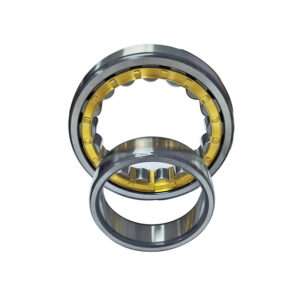
Cylindrical roller thrust bearings are mechanical components designed to support axial loads by providing cylindrical rollers that run parallel to the axis of rotation. These bearings offer high load-carrying capacity and are commonly used in applications where precise axial positioning and load distribution are crucial, such as in heavy machinery and industrial equipment.

FHD Bearings is an ISO 9001:2015 certified manufacturing enterprise that stsock a full range of Cylindrical Roller Bearings,Tapered Roller Bearings,Spherical Roller Bearings,Needle Roller Bearings,Thrust Roller Bearings and Crossed Roller Bearings. With over 1,200 different bearing sizes and over 250K bearings in stock.
Materials of Cylindrical Roller Thrust Bearings
Inner and Outer Rings
High-carbon chromium-bearing steel, often alloyed with elements such as chromium and molybdenum, is commonly used for the inner and outer rings. This steel provides excellent hardness, strength, and wear resistance, crucial for load-bearing components.
Rolling Elements (Cylindrical Rollers)
The cylindrical rollers are typically made of through-hardened, high-carbon chromium-bearing steel. These rollers are heat-treated to ensure optimal hardness, toughness, and fatigue resistance, enabling them to withstand the axial loads encountered in thrust applications.

Cage
The cage, which holds and guides the cylindrical rollers, is commonly made of brass, steel, or engineered polymers. Brass and steel cages offer strength and durability, while polymer cages may provide benefits such as corrosion resistance and reduced friction.
Features of Cylindrical Roller Thrust Bearings

1.Cylindrical Roller Design: Cylindrical rollers distinguish these bearings from others using tapered or spherical rollers.
2.High Load Capacity: Specifically designed to handle high axial loads, making them suitable for heavy thrust applications.
3.Linear Contact Surface: Provides efficient load distribution with a linear contact surface, minimizing stress concentrations.
4.Separable Components: Often designed with separable components for easier assembly, disassembly, and maintenance.
5.Multiple Configurations: Available in various configurations, including single and double direction, offering flexibility for different axial load requirements.
6.Minimal Frictional Resistance: Exhibits lower frictional resistance due to design, promoting efficiency in applications with frequent axial load changes.
Advantages of Cylindrical Roller Thrust Bearings
1.High Axial Load Capacity: Cylindrical roller thrust bearings excel in handling high axial loads, surpassing some other thrust roller bearings in load-carrying capacity.
2.Optimized Contact Geometry: The linear contact surface between cylindrical rollers and raceways minimizes stress concentrations, enhancing load distribution and reducing wear compared to bearings with point contact.
3.Separability for Easy Maintenance: Many cylindrical roller thrust bearings are designed with separable components, facilitating easier assembly, disassembly, and maintenance, which is advantageous over integral designs.
4.Configuration Versatility: Available in various configurations, including single and double direction, providing versatility to accommodate different axial load requirements, offering an advantage in diverse applications.
5.Reduced Frictional Resistance: The design of cylindrical roller thrust bearings often results in lower frictional resistance, contributing to greater efficiency, especially in applications with frequent axial load changes.
6.Higher Speed Capability: In certain configurations, cylindrical roller thrust bearings can offer higher speed capabilities compared to some other thrust roller bearings, making them advantageous in applications with demanding speed requirements.

Applications of Cylindrical Roller Thrust Bearings

- Automotive Transmissions: Used to support axial loads during gear shifting in automotive transmissions.
- Heavy Machinery: Applied in construction equipment and heavy machinery to handle substantial axial loads.
- Aerospace Systems: Employed in control systems and actuation mechanisms in aerospace applications.
- Power Generation: Utilized in turbines and generators to support axial loads in power generation equipment.
- Industrial Gearboxes: Crucial for providing axial support in industrial gearboxes for various manufacturing and processing equipment.
- Marine Propulsion Systems: Used to handle axial loads generated by ship propellers in marine propulsion systems.
Key Manufacturing Process of Cylindrical Roller Thrust Bearings
Machining of Rings: The manufacturing process begins with the precision machining of inner and outer rings from high-quality steel, utilizing techniques such as turning, grinding, and milling to achieve the required dimensions and surface finish.
Roller Production: Cylindrical rollers are produced through a rolling or grinding process, starting with steel wire or pre-formed blanks. Heat treatment is then applied to achieve the desired hardness and durability.
Heat Treatment: Both the inner and outer rings, as well as the cylindrical rollers, undergo heat treatment processes such as quenching and tempering. This enhances the material properties, including hardness and toughness, crucial for bearing performance.
Cage Fabrication: Cages are fabricated using stamping or machining, with materials like steel or polymers.
Assembly and Lubrication: Components are assembled with precision, and bearings are lubricated for reduced friction and heat dissipation.
Quality Control: Rigorous inspections ensure dimensional accuracy, surface finish, and overall performance meet specified standards during manufacturing.

FAQ - Frequently Asked Questions

Q: What are cylindrical roller thrust bearings?
A: Cylindrical roller thrust bearings are designed to support high axial loads using cylindrical rollers arranged to provide low friction and high load capacity.
Q: What are the main advantages of cylindrical roller thrust bearings?
A: They offer high axial load capacity, high rigidity, durability, and suitability for heavy-duty applications.
Q: Can cylindrical roller thrust bearings handle radial loads?
A: No, they are specifically designed to support axial loads and are not suitable for radial load applications.
Q: What types of cylindrical roller thrust bearings are available?
A: Common types include single-direction and double-direction cylindrical roller thrust bearings for handling axial loads in one or both directions.
Q: What applications commonly use cylindrical roller thrust bearings?
A: These bearings are widely used in heavy machinery, gearboxes, cranes, extruders, and mining equipment.
Q: What materials are used in cylindrical roller thrust bearings?
A: Typical materials include high-quality bearing steel, case-hardened steel, and special alloys for high-load and high-temperature environments.
Q: How do you select the right cylindrical roller thrust bearing?
A: Selection depends on axial load capacity, speed, alignment, lubrication, operating conditions, and mounting requirements.
Q: What is the difference between single-direction and double-direction cylindrical roller thrust bearings?
A: Single-direction bearings support axial load in one direction, while double-direction bearings can handle axial loads in both directions.
Q: How should cylindrical roller thrust bearings be lubricated?
A: They can be lubricated with oil or grease depending on operating conditions to reduce friction and extend service life.
Q: How to maintain cylindrical roller thrust bearings?
A: Maintenance includes proper lubrication, correct installation, avoiding contamination, monitoring temperature and load conditions, and regular inspection.
Installation and Maintenance
Installation
- Clean and Inspect Components: Ensure that all components, including the bearing, shaft, and housing, are clean and free from contaminants. Inspect for any signs of damage or wear.
- Verify Shaft and Housing Tolerances: Confirm that the shaft and housing meet the specified tolerances provided by the bearing manufacturer. Proper tolerances are essential for a secure fit.
- Apply Lubrication: Apply the recommended lubricant to the bearing components before installation. Proper lubrication is crucial for reducing friction and ensuring smooth operation.
- Align Components Accurately: Align the shaft washer, housing washer, and other components accurately. Use alignment tools to achieve the correct positioning, preventing misalignment issues.
- Secure Mounting: Securely mount the bearing to the shaft and housing using the appropriate mounting tools. Follow the recommended torque specifications for bolts and fasteners to ensure a reliable connection.
- Adjust Preload (if applicable): If the bearing has an adjustable preload, follow the manufacturer’s guidelines to set the correct axial clearance. Proper preload adjustment is essential for optimal performance.


Maintenance
- Regular Lubrication Checks: Establish a routine lubrication schedule and regularly check the lubricant levels.
- Vibration and Temperature Monitoring: Unusual vibrations or elevated temperatures may indicate issues such as misalignment or insufficient lubrication.
- Periodic Inspection for Wear and Damage: Conduct periodic inspections for signs of wear, damage, or abnormal conditions.
- Re-greasing as Needed: Re-grease the bearing as recommended by the manufacturer. Over time, grease may degrade or become contaminated.
- Alignment Checks: Periodically check and re-align the bearing if needed. Changes in operating conditions or external factors may impact alignment over time.
- Sealing and Contamination Control: Ensure that seals or shields are intact and effective in preventing contaminants from entering the bearing.