Table of Contents
Categories
-
Adapter Sleeves (9)
-
Ball Bearings (11)
-
Ball Screw Bearings (2)
-
Ceramic Bearings (28)
-
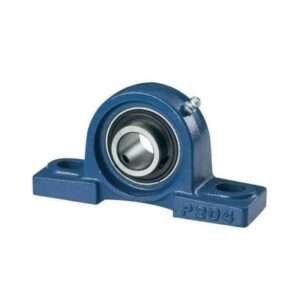
Pillow Block Bearings (4)
-
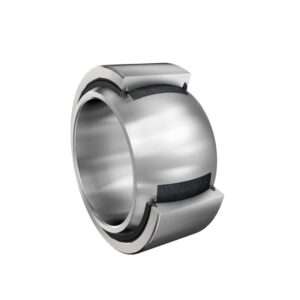
Plain Bearings (32)
-
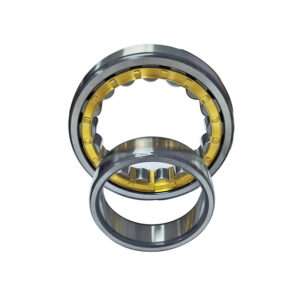
Roller Bearings (12)
-
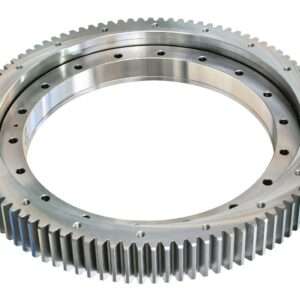
Slewing Bearings (43)
-
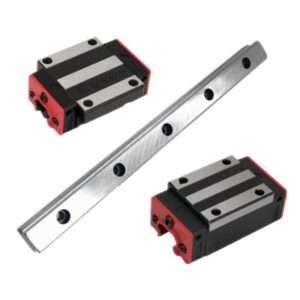
Sliding Block (3)
-
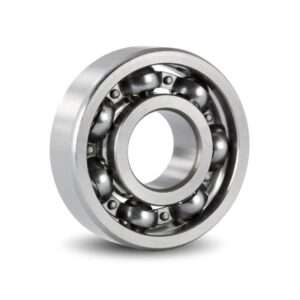
Stainless Steel Bearings (27)
-
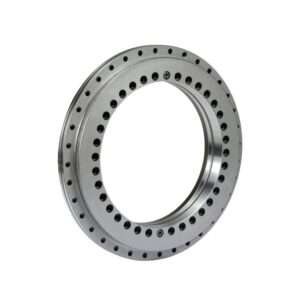
Super Precision Bearings (6)
-
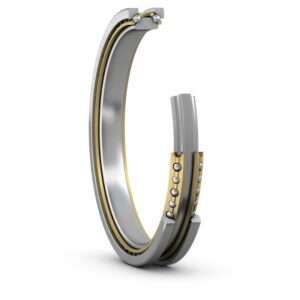
Thin Section Bearings (9)
-
Track Rollers (4)
-
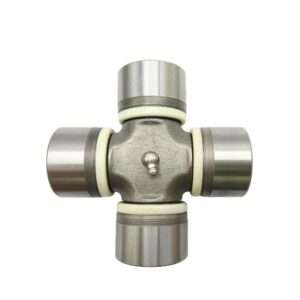
Universal Joints (1)


Chips

1. Introduction to Universal Joints in Industrial Applications
The Critical Role of Universal Joints in Power Transmission
Universal joints—often just called U-joints by folks in the shop—are unsung heroes in the realm of mechanical power transmission. These little marvels allow for torque to be transmitted between misaligned shafts, keeping everything moving smoothly even when conditions aren’t picture-perfect. From conveyor belts to drive shafts in off-road machinery, U-joints ensure rotational power gets where it needs to go, come hell or high water.
Why Failure Rates Concern Procurement Professionals
When U-joints fail, it’s not just a matter of replacing a part—it’s a domino effect that hits production schedules, maintenance budgets, and the bottom line. Procurement pros know that cheaping out on components can lead to a whole mess of recurring issues. That’s why failure rates aren’t just statistics—they’re red flags waving over real-world consequences.
How Premium OEM Parts Offer Long-Term Reliability
OEM universal joints, crafted to tight tolerances and engineered for demanding loads, bring long-term peace of mind. They’re built with superior metallurgy, tested like hell, and designed to outlast bargain-bin alternatives by a country mile. Investing in premium components from trusted OEMs is the smart play for keeping equipment humming and headaches to a minimum.
2. What Are Universal Joints?
Basic Mechanics and Functionality
At their core, universal joints are mechanical couplings that allow torque transmission between two misaligned shafts. They can operate at various angles, making them essential in systems where alignment isn’t a luxury. This flexibility comes from the joint’s cross-shaped central body and bearing caps that rotate along multiple axes.
Common Types: Cross & Bearing, CV Joints, Double Cardan
There’s no one-size-fits-all when it comes to U-joints. Cross and bearing joints are your classic workhorses—simple, rugged, and dependable. CV (constant velocity) joints offer smoother torque at variable angles, while double Cardan joints bring reduced vibration in high-angle situations—think of them as the Cadillac of joints.
Key Industries That Rely on Universal Joints
From heavy-duty mining to aerospace, agriculture to automotive, universal joints are embedded in every corner of industry. Manufacturing lines, robotics, and transport vehicles all depend on their durability. Without them, half the modern world would grind to a screeching halt.
3. Why Failure Rates Matter for Procurement Teams
Hidden Costs of Frequent Replacements
When a joint goes bad, the cost isn’t just the replacement—it’s the time, labor, and often overtime needed to install it. Add to that any lost production while the system is down, and suddenly that “cheap part” ain’t looking so cheap. Frequent replacements chew through budgets faster than expected, especially when corners are cut.
Downtime & Lost Productivity Due to Joint Failures
Every minute a machine sits idle is a minute lost in revenue, and in tight-margin industries, that’s a bitter pill to swallow. Joint failures often happen at the worst possible times, throwing a wrench into carefully planned operations. Downtime hits hard—morale drops, maintenance scrambles, and production targets go out the window.
How OEM Quality Lowers TCO (Total Cost of Ownership)
Premium OEM U-joints, though they may cost a bit more upfront, drastically reduce total cost of ownership over the life of the machine. With longer lifespans, better performance, and fewer surprise breakdowns, they offer predictable budgeting and fewer maintenance headaches. It’s a classic case of “buy once, cry once.”
4. Common Causes of Universal Joint Failures
Poor Lubrication Leading to Wear & Tear
Neglecting lubrication is a surefire way to kill a U-joint before its time. Without proper grease, metal-to-metal contact causes excessive friction, leading to pitting, galling, and eventual failure. Think of it like running an engine with no oil—it’ll run… until it doesn’t.
Misalignment and Excessive Load Stress
Improper installation or shaft misalignment puts enormous stress on universal joints. These stresses compound with torque loads and rapidly accelerate fatigue. Eventually, the joint gives up the ghost, often catastrophically, bringing production to a screeching halt.
Low-Quality Materials in Aftermarket Parts
Aftermarket parts often cut corners on materials, using soft or impure metals that can’t handle industrial-level loads. These bargain-basement joints might look the part, but under the hood, they’re ticking time bombs. Inferior metallurgy is one of the leading culprits behind early-life failures.
5. How Premium OEM Universal Joints Prevent Failure
Superior Metallurgy for Durability Under Stress
OEMs don’t skimp when it comes to material science—they use hardened, high-grade steels formulated to handle torque without flinching. This translates to better fatigue resistance, less deformation, and a much longer service life. Strong bones make a strong machine.
Precision Manufacturing to Minimize Friction
Precision isn’t just a buzzword—it’s the difference between smooth operation and grinding metal. OEM parts are machined to exacting specs, ensuring even load distribution and reduced friction. When tolerances are tight, the whole system breathes easier.
Rigorous Testing Standards in OEM Production
OEM universal joints are put through the wringer before they ever leave the factory. Stress testing, heat cycling, and torque loading are par for the course. These trials weed out weaknesses and ensure only the stoutest joints make it into your equipment.
6. Case Study: OEM vs. Aftermarket Failure Rates
Real-World Data on Lifespan Comparison
Field data doesn’t lie—OEM U-joints typically outperform aftermarket counterparts by 2x to 5x in operational lifespan. That kind of margin isn’t coincidence; it’s engineering. Time after time, premium joints hold up where generic ones wear out.
Maintenance Frequency in Different Use Cases
OEM joints require less frequent servicing, especially in sealed configurations, which cuts down on labor costs and interruptions. In contrast, aftermarket units often need babying with frequent lubrication and inspections. That’s a drain on manpower and resources.
Cost-Benefit Analysis for Procurement Decisions
When you factor in labor, downtime, and the cost of replacements, the upfront savings of a cheaper part vanish into thin air. OEM parts may be pricier out the gate, but over the long haul, they save a bundle. The numbers tell the story—quality pays off.
7. The Role of ISO-Certified Manufacturing
How Quality Control Reduces Defects
ISO certification means a manufacturer adheres to globally recognized quality systems. This ensures consistency, thorough inspections, and repeatable results—every part, every time. You don’t have to cross your fingers when the box arrives.
Consistency in Production for Reliable Performance
Consistency is king in industrial settings. When you spec an OEM U-joint, you know exactly what you’re getting—batch after batch. That reliability translates to trust and smoother operation across the board.
Why Procurement Should Verify Certifications
Procurement teams should insist on certifications—it’s the best way to separate the wheat from the chaff. ISO credentials are proof that a supplier isn’t just talking the talk but walking the walk with robust manufacturing protocols.
8. Material Selection: What Makes OEM Joints Last Longer
High-Grade Steel vs. Standard Alloys
When it comes to universal joints, the quality of the metal isn’t just a detail—it’s the foundation. OEM joints are forged from high-grade alloy steels engineered for high stress and fatigue environments, not the run-of-the-mill stuff you’ll find in budget options. These steels offer superior tensile strength and resist deformation, which means they can take a beating and keep on spinning.
Importance of Heat Treatment & Hardening
Proper heat treatment transforms ordinary steel into a wear-resistant warrior. OEMs employ controlled hardening techniques that increase surface strength without sacrificing internal toughness—a critical balance that prevents cracking under torque. It’s not just about making metal hard; it’s about making it tough enough to last in real-world conditions.
Corrosion Resistance for Harsh Environments
Industrial environments can be downright nasty—think moisture, dust, grime, and chemicals all working overtime to eat away at your components. OEM joints often include coatings or surface treatments that repel corrosion, extending operational life even in salty, muddy, or caustic environments. When you’re working outdoors or near chemicals, corrosion protection isn’t optional—it’s your lifeline.
9. Lubrication & Sealing: How OEMs Enhance Longevity
Sealed vs. Non-Sealed Joints in Different Applications
Sealed U-joints come pre-packed with grease and are protected from contaminants, making them ideal for dusty, dirty, or hard-to-reach environments. Non-sealed options, while serviceable, require regular maintenance and are more vulnerable to grime and grit infiltration. Choosing between sealed and non-sealed is all about the operating environment and maintenance bandwidth.
Quality Grease for Extended Service Intervals
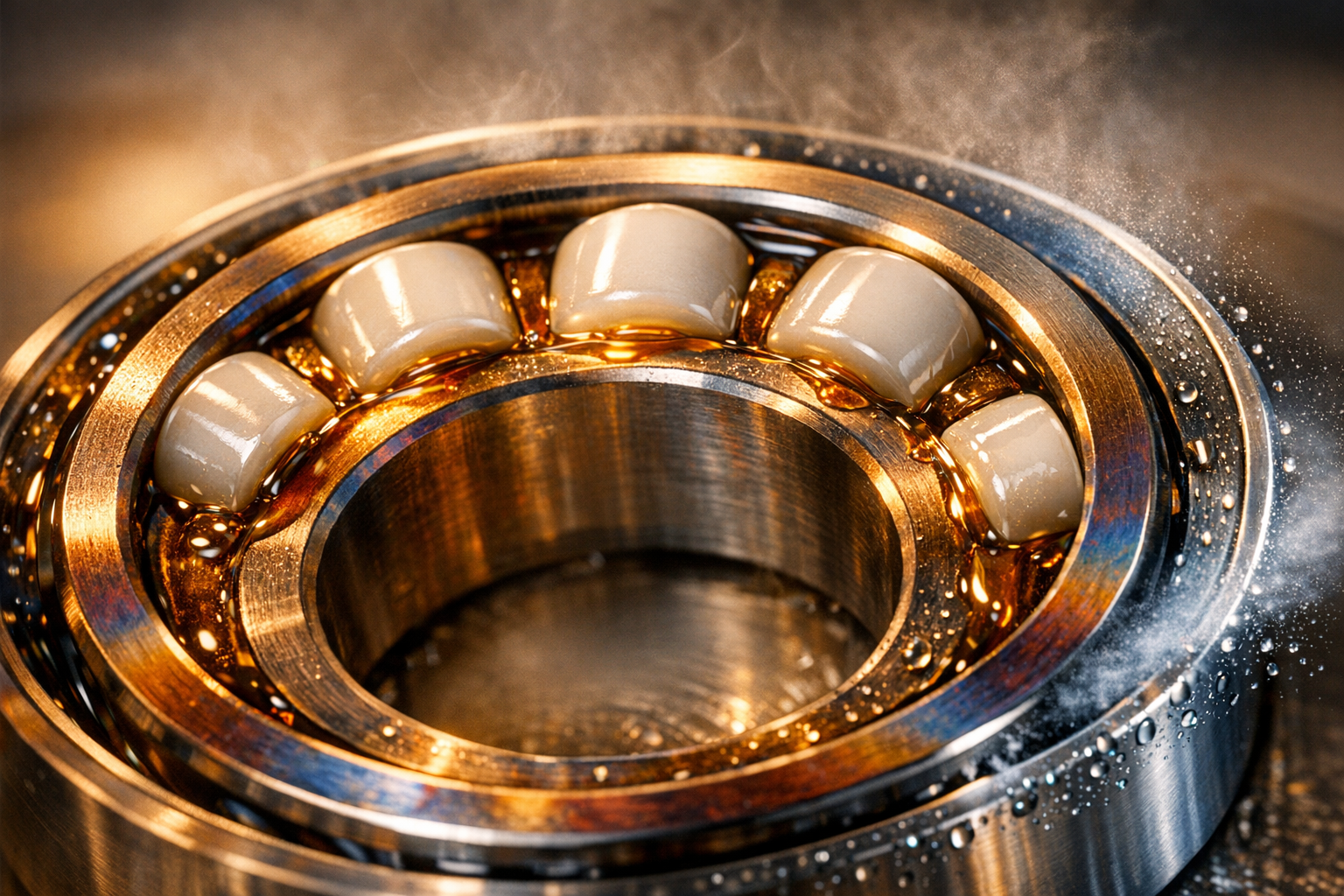
OEMs don’t cheap out on lubrication—many use specialized greases engineered for high-load, high-temp applications that maintain viscosity and protective properties over longer intervals. The right grease reduces metal-on-metal contact, mitigating wear and extending the life of both the joint and connected components. Skimping on lubrication quality is like driving a truck with bald tires—you’re asking for trouble.
How Poor Lubrication Speeds Up Wear
Without sufficient or consistent lubrication, internal surfaces grind against each other, generating heat and accelerating wear. Inadequate grease or dried-out lube leads to premature joint seizure or failure, often without much warning. It’s a silent killer in many a maintenance record.
10. Precision Engineering & Tight Tolerances
How Micron-Level Accuracy Reduces Vibration
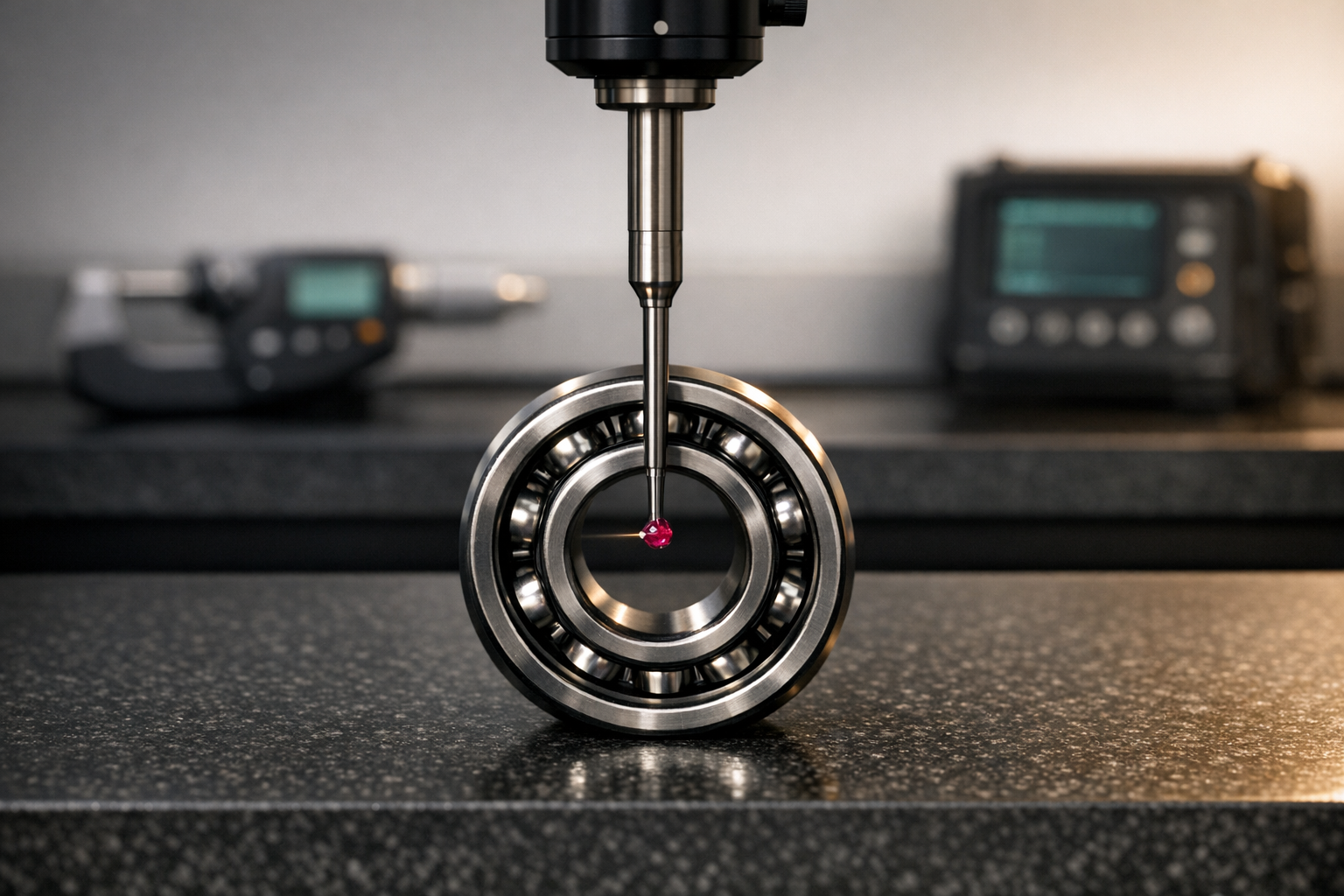
Premium OEM universal joints are machined to microscopic tolerances—think microns, not millimeters. This level of precision ensures that components mesh perfectly, reducing radial play and eliminating unnecessary vibrations. Less vibration translates to smoother operation, longer service life, and less wear on surrounding equipment.
Impact on Noise and Smooth Operation
Sloppy tolerances don’t just shorten lifespan—they rattle, squeal, and create harmonics that can drive operators (and machines) batty. Tight clearances result in quieter, silkier performance, especially in high-speed or continuous-use applications. That smooth hum of a well-tuned drive shaft? It starts with a properly machined U-joint.
Why Loose Tolerances Lead to Early Failure
When there’s too much slop between parts, load gets unevenly distributed, leading to micro-fractures and accelerated fatigue. Over time, those gaps widen, amplifying vibrations and creating wear patterns that spiral out of control. It’s a downhill slide from first rattle to total failure.
11. Load Capacity & Fatigue Resistance in OEM Parts
Dynamic vs. Static Load Ratings Explained
Static load rating tells you how much a joint can handle when it’s just sitting there, but dynamic load rating—now that’s the real test. It’s the joint’s ability to endure constant torque while under motion, and in most real-world scenarios, that’s what counts. OEM joints are rated conservatively, ensuring they outperform in dynamic load situations.
How OEM Joints Handle High-Torque Applications
OEM parts are designed for heavy lifting—literally. Whether it’s a rock crusher, a forestry skidder, or a high-speed train, high torque applications demand components that won’t flinch under pressure. Premium joints are built with hardened trunnions, reinforced yokes, and superior cross designs that absorb torque without shearing.
Fatigue Testing Results Across Brands
Comparative fatigue tests routinely show OEM joints lasting significantly longer under cyclic loads than their aftermarket counterparts. These joints are tested under repeated stress to identify potential failure modes long before they see the field. In other words, OEMs don’t guess—they prove performance with numbers.
12. Suppliers Matter: Why Sourcing from Trusted OEMs is Key
Risks of Counterfeit or Substandard Components
The global supply chain has its dark alleys, and counterfeit or subpar U-joints often sneak in through them. These look the part but fail under pressure, leading to catastrophic outcomes. When you’re sourcing parts, a lower price tag can come with a big, costly surprise.
How Verified Supply Chains Minimize Failures
Reliable OEM suppliers track their components from raw billet to final shipment. This traceability ensures that every joint meets spec and comes from a vetted process—not some mystery metal from who-knows-where. Procurement teams that demand documentation and supply chain transparency avoid the lion’s share of future breakdowns.
The Importance of Warranty & After-Sales Support
OEMs that stand behind their product with robust warranties and support networks are in it for the long haul. If a joint fails prematurely, they’ll work with you—not ghost you. That level of post-sale accountability is worth its weight in steel.
13. Retrofitting & Compatibility: OEM vs. Generic Replacements
How Incorrect Fitment Causes Premature Breakdowns
A U-joint that doesn’t quite fit is like a wrench with the wrong size socket—close doesn’t cut it. Poor fit leads to misalignment, increased wear, and higher risk of joint dislocation or binding. Over time, that mismatch can trigger failures upstream and downstream in the driveline.
OEM Customization for Specialized Machinery
OEM suppliers often offer customized joints tailored to unique machinery, with exact fits, load specs, and environmental protections. That kind of engineering ensures compatibility from day one, with no jury-rigging or “good enough” guesswork. It’s especially critical for legacy equipment and specialized industrial systems.
Avoiding Compatibility Issues in Upgrades
Upgrading equipment? OEM joints ensure that every component plays nicely with the new setup. Generic parts may not account for tolerance stacking, load shifts, or revised duty cycles—all of which can spell disaster. With OEMs, you’re not just buying a part; you’re buying integration.
14. Predictive Maintenance with OEM Universal Joints
How High-Quality Joints Enable Long-Term Monitoring
OEM universal joints aren’t just built tough—they’re built smart. Their precision manufacturing and consistent performance allow maintenance teams to track wear trends over time without the noise of irregular failure patterns. When you’ve got predictability baked into the part, long-term monitoring becomes less guesswork and more science.
Integration with Condition-Based Maintenance Systems
Modern equipment is smarter than ever, and premium OEM U-joints are ready to play ball. Many are designed with maintenance-friendly features—like integrated grease fittings, service indicators, or performance data compatibility—that can sync with condition-based maintenance (CBM) systems. This kind of integration turns maintenance from a reactive scramble into a proactive plan.
Reducing Unplanned Stoppages
Unplanned downtime is the boogeyman of any production line, and a cheap U-joint can bring everything to a standstill at the worst possible moment. With quality joints that support condition tracking, you can spot trouble before it snowballs into catastrophe. Predictive maintenance backed by reliable OEM parts is like having an early warning radar on your shop floor.
15. Total Cost of Ownership: Why Cheap Parts Cost More
Repair Costs, Downtime, and Replacement Cycles
It’s easy to fall for the low sticker price on a generic U-joint, but the real cost hides in the fine print—frequent breakdowns, repair labor, and unexpected downtime. You end up replacing that “bargain” part three times as often, racking up labor hours and stretching your maintenance team thin. Before long, you’ve spent more patching things up than you would’ve shelling out for the good stuff upfront.
How OEM Parts Improve ROI Over Time
OEM joints are built to go the distance. Their longer service intervals, reduced maintenance needs, and fewer failure events all translate to one thing: a better return on investment. When you factor in reduced line stoppages, fewer emergency part orders, and lower overall stress on surrounding components, the payoff becomes pretty clear.
Making the Business Case for Premium Procurement
Procurement folks juggling budget constraints often face pressure to cut costs, but the smart play is looking at the long game. Premium parts reduce lifecycle costs, limit operational disruptions, and provide more predictable maintenance planning. That’s how you build a business case that keeps both finance and operations smiling.
16. Conclusion: Investing in Quality for Long-Term Efficiency
Recap of OEM Advantages in Failure Reduction
From precision tolerances and high-grade metallurgy to sealed lubrication systems and ISO-certified manufacturing, OEM universal joints offer a suite of advantages that directly reduce failure rates. They’re not just stronger—they’re smarter, cleaner, and more consistent. When uptime matters (and let’s be honest—it always does), OEM parts stand head and shoulders above the competition.
Final Recommendations for Supplier Selection
Stick with suppliers who offer traceability, testing data, and a proven track record in your industry. Don’t get wooed by flashy marketing from unknown brands—insist on technical documentation, warranty support, and product customization options. Choosing a partner, not just a part, is what separates maintenance nightmares from operational excellence.
Next Steps for Procurement Teams to Upgrade Their Supply Chain
Audit your current joint failure rates and pinpoint where substandard components are dragging you down. Then, start building relationships with OEM suppliers who align with your performance and reliability goals. Upgrading your supply chain isn’t just about spending more—it’s about buying smarter, reducing surprises, and setting your operation up for years of reliable service.