Table of Contents
Categories
-
Adapter Sleeves (9)
-
Ball Bearings (11)
-
Ball Screw Bearings (2)
-
Ceramic Bearings (28)
-
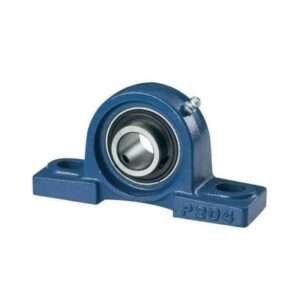
Pillow Block Bearings (4)
-
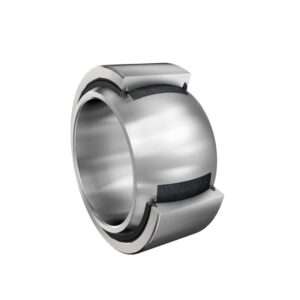
Plain Bearings (32)
-
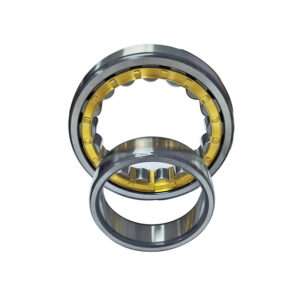
Roller Bearings (12)
-
Slewing Bearings (43)
-
Sliding Block (3)
-
Stainless Steel Bearings (27)
-
Super Precision Bearings (6)
-
Thin Section Bearings (9)
-
Track Rollers (4)
-
Universal Joints (1)


Chips

1. Introduction to Bottom Bracket Bearing Tolerances
Why Tolerances Matter in Bottom Bracket Bearings
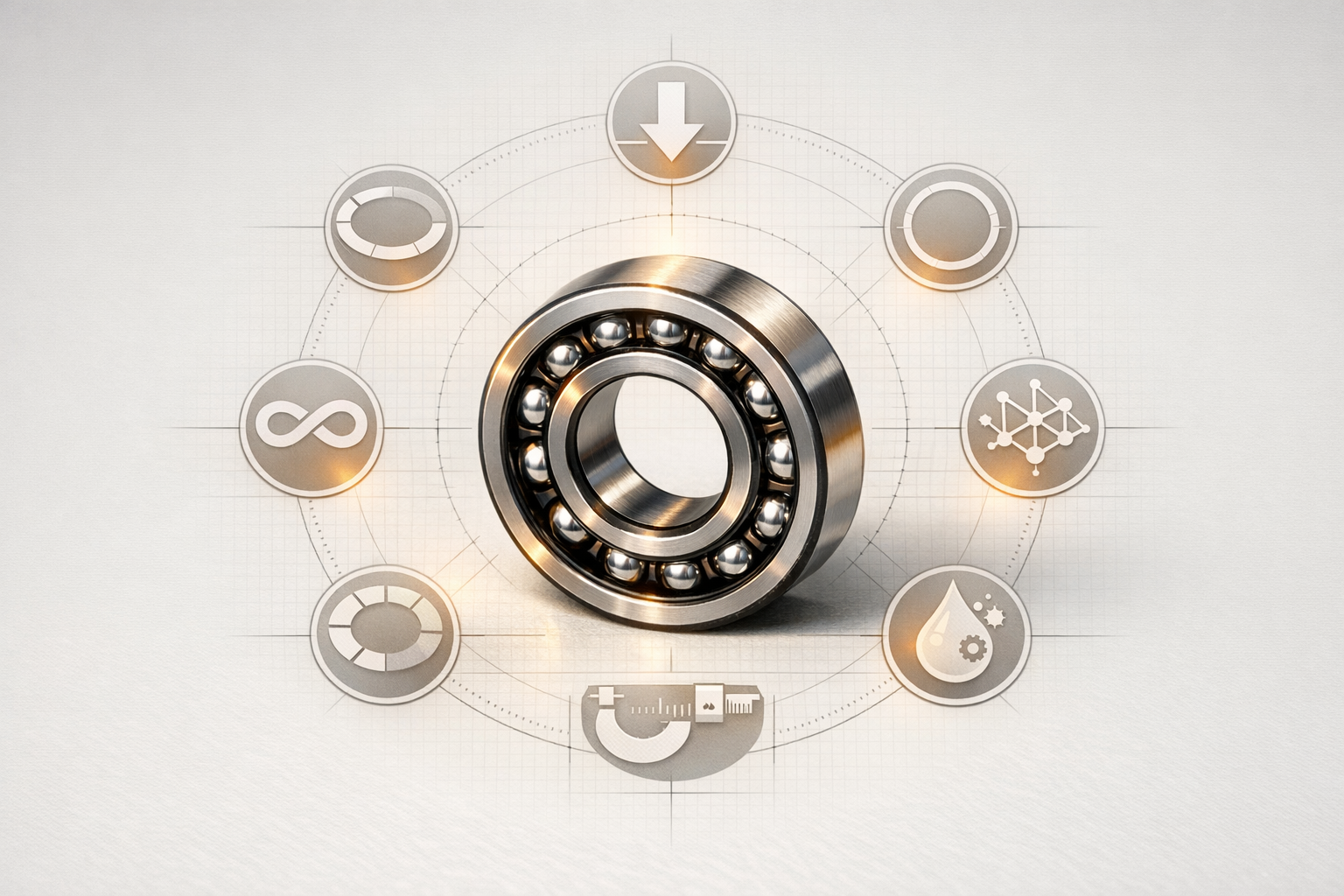
Bottom bracket bearings are the silent workhorses of every pedal stroke, and their tolerances dictate whether a ride feels smooth or like pedaling through gravel. A bearing with sloppy tolerances won’t seat properly, leading to uneven wear and misalignment right out of the gate. Precision isn’t just nice to have—it’s the backbone of reliable cycling performance.
The Link Between Tolerances and Bearing Performance
Tight tolerances mean minimal play, consistent load distribution, and reduced friction during operation. When tolerances drift outside spec, the bearing faces accelerated degradation, and every rotation becomes a potential point of failure. Simply put, better tolerances translate directly to smoother rides and a longer service life.
Real-World Consequences of Ignoring Tolerances
Cutting corners on precision might save a few bucks at purchase, but the long-term costs are brutal. Misaligned or undersized bearings cause creaks, vibration, and premature failures that ruin rider confidence. Ignore tolerances long enough, and you’ll find yourself knee-deep in warranty claims and frustrated customers.
2. Understanding Bearing Tolerances: A Quick Overview
Defining Manufacturing Tolerances in Bearings
Manufacturing tolerances refer to the allowable deviation in size, roundness, or alignment of a bearing component. It’s the fine line between a perfect fit and a wobbly disaster. For bottom brackets, where millimeters mean everything, these tolerances determine how efficiently power transfers from pedal to chain.
How Tolerances Are Measured and Specified
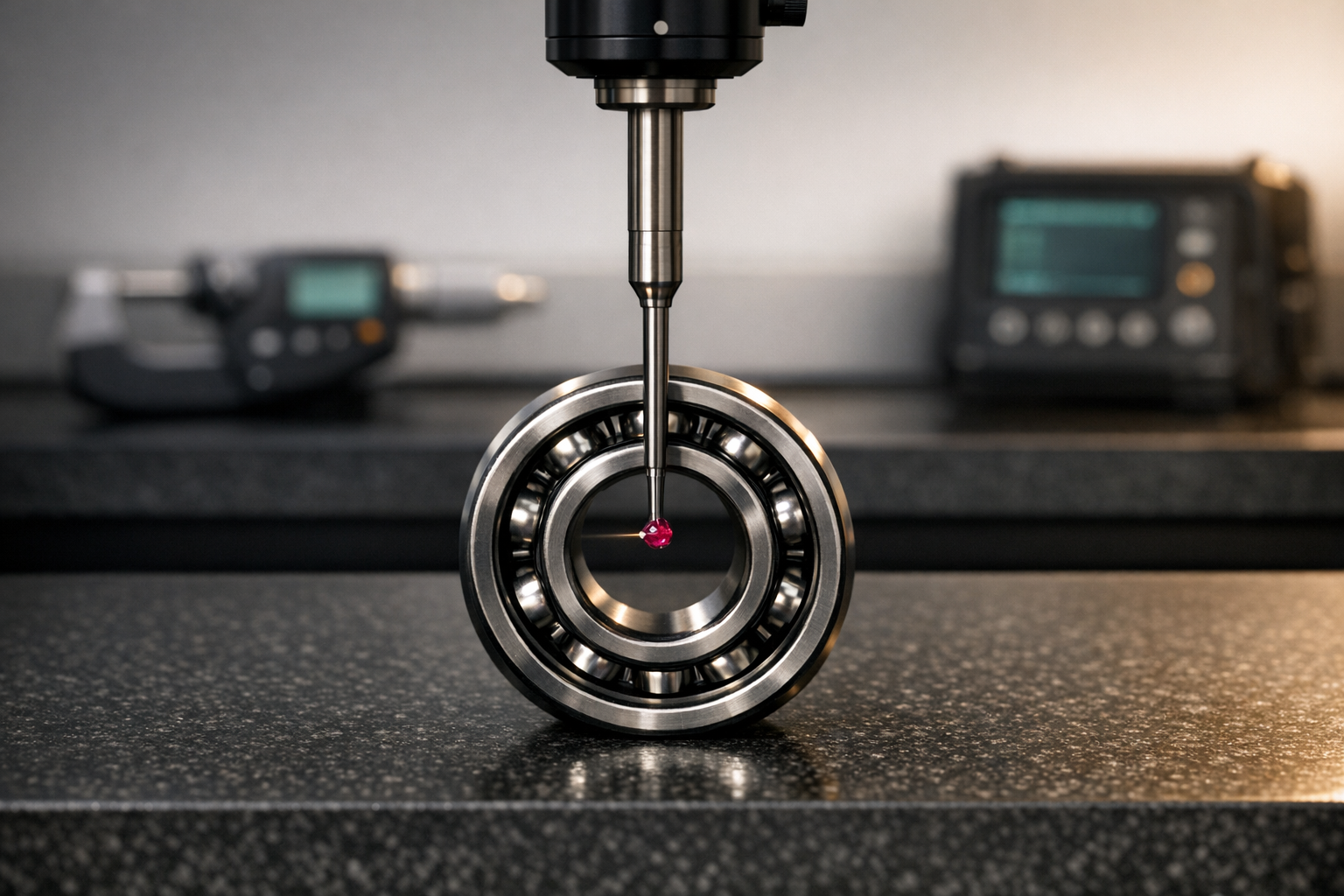
Bearings are measured using micrometers, coordinate measuring machines (CMMs), and surface profilometers to ensure they stay within acceptable limits. Engineers rely on detailed drawings that specify parameters like bore diameter, outer race concentricity, and surface finish. Even a fraction of a millimeter outside spec can send performance spiraling
Industry Standards vs. Real-World Precision
Standards like ABEC ratings and ISO 492 provide a baseline for precision, but they don’t always reflect the demands of real-world cycling conditions. A bearing that meets minimum standards might still fall short under the torque, grit, and shock loads of everyday use. High-end buyers often look for tighter-than-standard tolerances to guarantee reliability.
3. The Hidden Costs of Poor Tolerances in Bottom Brackets
Increased Wear and Premature Failure
When a bearing doesn’t fit snugly, its components face uneven loading and excessive stress. Over time, this causes pitting, spalling, and outright failure far sooner than expected. Riders end up replacing parts more often, draining budgets and patience.
Higher Maintenance and Replacement Costs
Frequent failures mean more time spent on maintenance and more money shelled out for replacements. Shops and OEMs suffer as warranty claims pile up, while customers grow frustrated with recurring issues. A few dollars saved on a poorly made bearing can quickly balloon into hundreds lost in labor and downtime.
Negative Impact on Brand Reputation
Nothing kills a brand’s reputation faster than bikes that creak, grind, or fail mid-ride. Poor tolerances send a message of carelessness that customers won’t soon forget. Once word spreads, regaining trust is like pedaling uphill with a broken chain.
4. How Poor Tolerances Affect Bicycle Performance
Pedal Smoothness and Rider Experience
A well-made bottom bracket bearing feels like gliding on butter, while poor tolerances introduce drag and inconsistency with every stroke. Riders notice even the slightest grind or hesitation, and it ruins the overall experience. Smoothness isn’t just comfort—it’s efficiency in every mile.
Noise and Vibration Issues
Clicking, popping, or humming noises often trace back to bearings that don’t fit perfectly. The excess play amplifies vibrations throughout the frame, creating a distracting and unpleasant ride. For performance riders, these minor nuisances can translate to serious power loss.
Chain Alignment and Drivetrain Efficiency
Misaligned bearings throw off chain alignment, leading to poor shifting and increased drivetrain wear. This inefficiency not only robs riders of speed but also burns through expensive components like cassettes and chainrings. Maintaining proper tolerances is key to keeping the entire drivetrain in sync.
5. The Impact on Manufacturing Efficiency
Increased Rejection Rates and Waste
When tolerances slip, entire batches of bottom brackets may fail quality inspections. This results in wasted materials, additional machining, and scrapped products. Manufacturers end up eating costs that could have been avoided with proper precision control.
Delays in Production Due to Rework
Reworking defective bearings is a costly, time-consuming headache. Production lines grind to a halt while technicians try to salvage misaligned or undersized parts. These delays ripple through supply chains, causing missed deadlines and unhappy customers.
Supplier Bottlenecks Caused by QC Issues
A supplier that struggles with tolerances creates bottlenecks for OEMs trying to hit production targets. Every quality issue means more time spent testing, auditing, and rejecting bad parts. Reliable suppliers know that precision is the grease that keeps manufacturing running smoothly.
6. The Financial Burden of Low-Quality Tolerances
Higher Lifetime Costs vs. Initial Savings
Buying cheap bearings with loose tolerances might look like a bargain, but the maintenance and replacements down the line wipe out any savings. Over a bike’s lifetime, a high-quality bearing with tight tolerances costs less overall. It’s a textbook case of “you get what you pay for.”
Warranty Claims and Customer Returns
Poor tolerances translate directly into higher failure rates, which spike warranty claims and eat into profits. Customers sending back defective parts cost more than just shipping—they damage a brand’s credibility. Every return is a reminder of why precision should never be compromised.
Lost Revenue from Dissatisfied Customers
When customers feel let down, they walk—and they tell others to walk too. The long-term revenue lost from a bad reputation far outweighs the cost of investing in better bearings. In a market this competitive, customer loyalty hinges on performance.
7. How Tolerances Affect Bearing Durability
Misalignment and Premature Wear
Poor tolerances cause the races and rolling elements to misalign, creating hot spots of stress that accelerate wear. Bearings designed to last years may fail in months under these conditions. It’s like running a marathon with a pebble in your shoe—failure is inevitable.
Lubrication Breakdown and Contamination
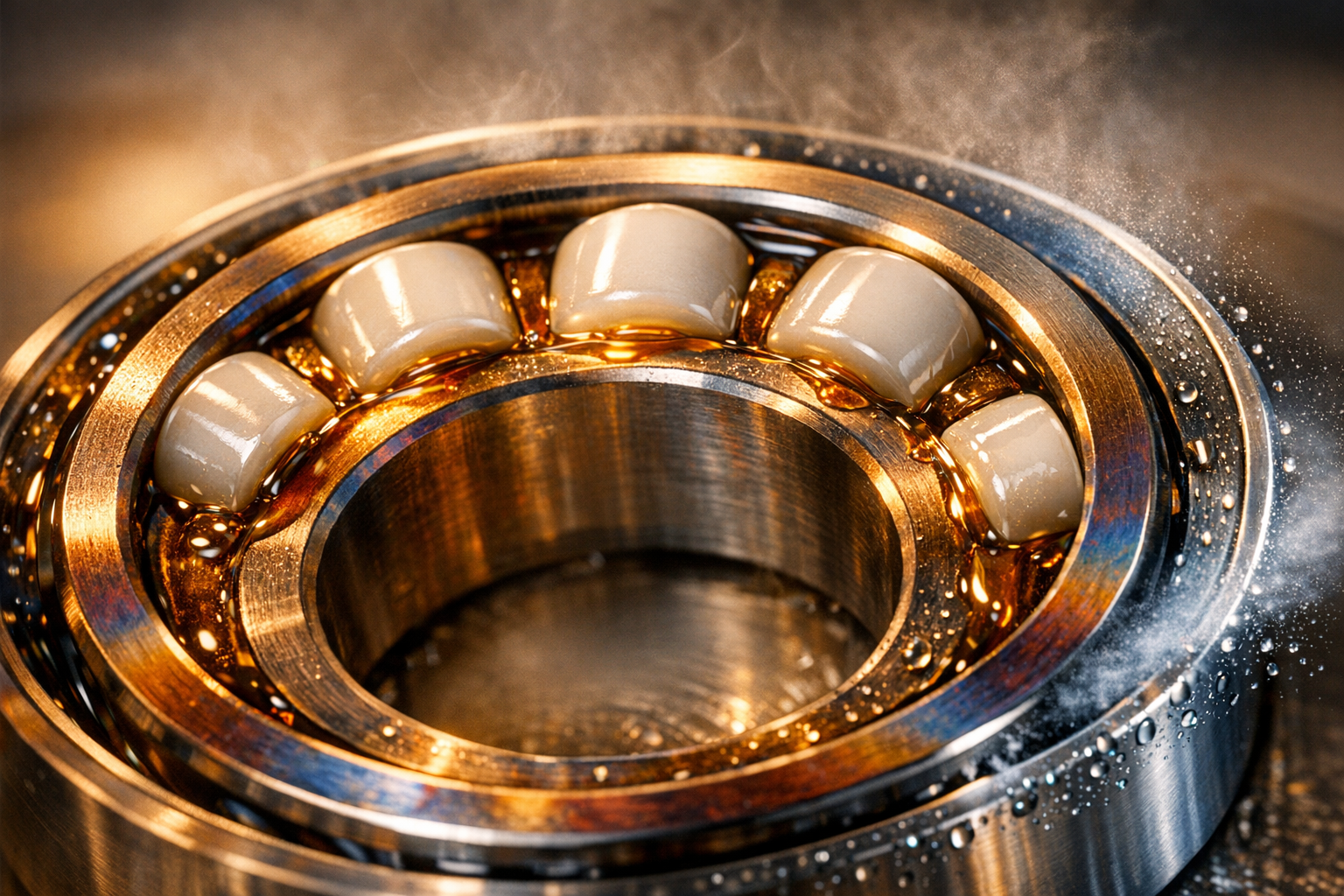
When gaps are too wide, lubricants can leak or fail to distribute evenly, leaving surfaces unprotected. This opens the door for contamination, which acts like sandpaper inside the bearing. Tight tolerances ensure lubrication stays where it’s needed most.
Heat Generation and Fatigue Failure
Inconsistent fits lead to increased friction and, ultimately, heat buildup. Excessive heat weakens materials and leads to fatigue cracking. Over time, this domino effect shortens the life of every component it touches.
8. Spotting Poor Tolerances in Supplier Samples
Key Physical Inspection Tests
Simple tests like measuring bore diameters, checking concentricity, and evaluating surface finish reveal a lot about a supplier’s quality. Visual inspection can catch obvious flaws like burrs or uneven edges. Smart buyers always scrutinize samples before signing contracts.
Performance Benchmarks to Evaluate
Running bearings through torque and load tests is a surefire way to evaluate real-world performance. Smoothness under load and resistance to vibration are strong indicators of precision. A supplier worth their salt will provide these benchmarks without hesitation.
Common Red Flags in Tolerance Claims
Vague specs, missing documentation, or overly optimistic tolerance claims are major warning signs. If a supplier can’t produce certification or test data, it’s time to walk. Precision doesn’t leave room for guesswork or empty promises.
9. The Role of Materials in Maintaining Tight Tolerances
Steel Grades and Machining Precision
High-grade steels like 52100 chromium steel or stainless variants hold dimensional stability far better than cheaper alloys. These premium materials resist deformation during machining, allowing tighter tolerances to be achieved consistently. Using subpar steel often leads to warping and uneven surfaces, making precision a distant dream.
Impact of Heat Treatment on Dimensional Stability
Heat treatment strengthens the bearing components, but if done poorly, it can distort the dimensions of the races or balls. A controlled process with carefully monitored temperatures ensures the material hardens evenly while maintaining its true shape. Buyers should always confirm that suppliers have strict thermal treatment protocols in place.
How Low-Cost Materials Mask Tolerance Issues
Some suppliers attempt to cut corners by using softer or lower-quality materials that “flex” into place. While this might hide small tolerance issues at first, it leads to rapid wear and eventual failure. It’s a classic case of short-term savings causing long-term pain.
10. Manufacturing Processes That Influence Tolerances
CNC Machining vs. Forged Bearings
CNC machining allows for micro-precision and repeatability, ensuring every bearing meets exact specifications. Forging, while cost-effective, can introduce minor inconsistencies that require additional finishing to meet tight tolerances. For critical applications like bottom brackets, CNC precision is often worth the premium.
Grinding and Honing Techniques
Grinding and honing are the unsung heroes of bearing perfection, polishing surfaces to exact roundness and smoothness. These processes eliminate tiny surface defects that would otherwise create friction and premature wear. Bearings that undergo proper finishing simply roll smoother and last longer.
Quality Control Checks in Production
Dimensional inspections, surface roughness tests, and roundness measurements are standard quality checks during production. Skipping these steps or rushing them is a recipe for disaster. Reliable suppliers maintain rigorous QC systems to ensure every bearing is as precise as the last.
11. The Importance of Certified Tolerances in Sourcing
Why ISO 492 and ABEC Ratings Matter
ISO 492 and ABEC ratings are industry benchmarks that define how accurate a bearing must be. These standards give buyers a clear reference point when comparing products. A bearing rated ABEC 5 or higher, for instance, signals tight tolerances ideal for high-performance cycling.
How Certifications Reduce Risk in Procurement
Certified bearings come with documentation proving they’ve passed specific quality and tolerance tests. This reduces the risk of receiving inconsistent or subpar products. For procurement professionals, certification is a critical tool for vetting trustworthy suppliers.
Validating Supplier Claims Independently
Independent lab testing or third-party audits can verify a supplier’s tolerance claims. This extra step provides peace of mind and ensures no corners are being cut. Buyers who double-check specs often avoid costly mistakes down the line.
12. Cost vs. Precision: Finding the Right Balance
When to Invest in Tighter Tolerances
Not every bike needs aerospace-level tolerances, but high-performance models demand it. Investing in precision bearings makes sense when the stakes are high—whether that’s racing, competitive riding, or premium product lines. For entry-level bikes, a balanced approach may suffice.
Budget-Friendly Alternatives Without Compromise
Manufacturers can achieve reliable performance without breaking the bank by optimizing machining processes and material choices. Sometimes, it’s about finding a supplier who delivers consistent mid-range tolerances that meet real-world demands. Quality doesn’t always mean top-shelf pricing if the supplier knows their craft.
Case Studies: OEMs That Got It Right
Some bike manufacturers have earned loyal customers by refusing to cut corners on their bottom brackets. By partnering with precision-focused bearing suppliers, they’ve slashed warranty claims and boosted brand reputation. These case studies are proof that good tolerances pay off in both performance and profits.
13. Long-Term Benefits of High-Tolerance Bearings
Extended Product Lifespan
Tight tolerances minimize friction and uneven stress, which means bearings last longer under the same conditions. Riders experience fewer breakdowns, and manufacturers enjoy fewer customer complaints. It’s a win-win that keeps both sides of the chain happy.
Reduced Warranty and Support Costs
Fewer failures translate directly into lower warranty claims and after-sales support costs. High-tolerance bearings cut down on returns, saving both time and money for OEMs and retailers alike. Over time, the savings from fewer defects can easily outweigh the cost of better components.
Positive Brand Perception and Repeat Business
A bike that rides smooth and holds up over time leaves a lasting impression. Customers remember brands that deliver quality, and they’re more likely to return when they need their next upgrade. Precision engineering builds loyalty as much as it builds performance.
14. How to Specify Tolerances in Procurement Contracts
Technical Requirements to Include
Procurement documents should clearly state all dimensional tolerances, surface finish requirements, and roundness specs. This leaves no room for interpretation or excuses when parts don’t meet expectations. A well-defined spec sheet is a buyer’s best insurance policy.
Penalties for Non-Compliance
Contracts should outline penalties for failing to meet tolerance requirements, including rework costs or outright rejection of shipments. These clauses motivate suppliers to stay sharp and prioritize quality. Setting these expectations upfront prevents future disputes.
Audit and Inspection Procedures
Periodic audits and third-party inspections help ensure suppliers maintain consistent quality. On-site visits and sample testing can catch issues before they snowball into major problems. Buyers who stay proactive avoid costly surprises.
15. Working with the Right OEM for Precision Bearings
Questions to Ask Potential Suppliers
Key questions include: What is your average dimensional deviation? How do you validate your tolerances? What certifications do you hold? Asking the right questions upfront separates true precision suppliers from those just talking a big game.
Factory Audits and Process Verification
Visiting the factory floor and seeing the machinery, QC stations, and testing equipment firsthand can reveal a lot about a supplier’s capabilities. Process verification ensures they can consistently hit the tight tolerances your application demands. It’s the difference between buying blind and making an informed decision.
Building Long-Term Partnerships for Quality
Strong relationships with reliable suppliers foster trust and open collaboration on future innovations. When both sides commit to quality, the result is better products and smoother supply chain operations. In this business, solid partnerships are worth their weight in steel.
16. Conclusion: Smart Procurement for Reliable Performance
Key Takeaways on Bearing Tolerances
Precision in bottom bracket bearings isn’t just a technical detail—it’s the lifeblood of smooth, reliable cycling performance. From manufacturing processes to material choices, every step plays a role in maintaining tight tolerances.
The True Cost of Cutting Corners
What looks like a quick cost-saving measure often snowballs into warranty claims, customer complaints, and brand damage. Cutting corners on tolerances is a false economy that always comes back to bite.
Next Steps for Ensuring Quality in Your Supply Chain
Procurement teams should focus on vetting suppliers, demanding certifications, and prioritizing lifecycle value over upfront price. By doing so, they secure not just parts, but the trust and satisfaction of every rider who hits the road.