Table of Contents

Chips
1. Introduction to Cam Follower Bearing Risk Management
Why Risk Reduction Matters in Procurement
When it comes to procurement, risk is like rust—it creeps in slowly, and if you’re not paying attention, it can eat away at the entire system. Reducing risk isn’t just about saving a few bucks; it’s about protecting operational continuity and safeguarding brand reputation. In the world of bearings, one hiccup in supply or quality can ripple through production lines and customer satisfaction alike.
The Role of Cam Follower Bearings in Critical Systems
Cam follower bearings might look like small players in a big machine, but they carry heavy responsibility in automation, conveyor systems, and precision machinery. They’re the linchpins that keep moving parts aligned and friction under control, ensuring the smooth execution of complex operations. Without them, downtime, inefficiency, and costly breakdowns can sneak in through the back door.
Overview of Procurement Challenges for Global Brands
Global procurement is a high-wire act with no safety net, especially for brands juggling suppliers across continents. Language barriers, shifting tariffs, logistics hurdles, and uneven quality standards can all muddy the waters. When the stakes are high, procurement professionals need clear strategies to keep the supply of cam follower bearings both steady and reliable.
2. Understanding Cam Follower Bearings
Basic Design and Functionality
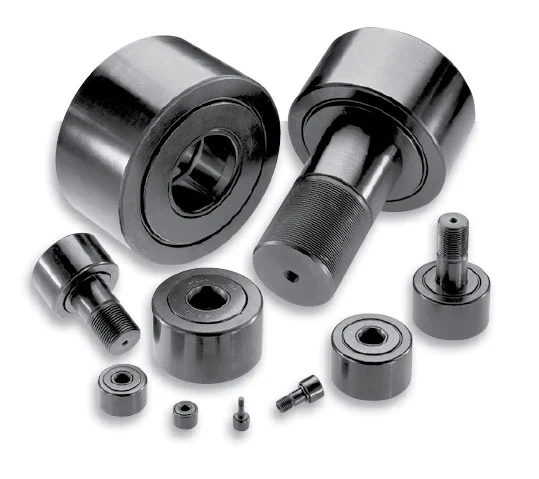
A cam follower bearing is essentially a roller bearing with a thick outer ring designed to handle heavy contact stress. The stud or yoke type configuration allows these components to manage both linear motion and rotary loads with finesse. In essence, they’re built tough to withstand point-contact pressure that would flatten lesser components.
Common Applications Across Industries
You’ll find cam follower bearings working quietly behind the scenes in packaging machinery, textile equipment, automotive assembly lines, and even robotics. They thrive in environments where constant rolling contact is required to transfer motion smoothly. Industries lean on them because they deliver performance under conditions that would leave ordinary bearings gasping for air.
Key Performance Characteristics to Evaluate
Load capacity, wear resistance, and lubrication retention are non-negotiables when evaluating cam follower bearings. Professionals also weigh factors such as noise levels, misalignment tolerance, and speed capabilities. Overlooking these traits is like ignoring tread depth on a set of tires—it might work today, but it won’t hold up tomorrow.
3. Common Risks in Cam Follower Bearing Procurement
Supplier Inconsistency and Delays
Late deliveries are more than a headache—they’re a chain reaction that can shut down production lines. Suppliers who lack reliable logistics networks are a liability. In procurement, the saying goes, “If you can’t count on the clock, you can’t count on the supplier.”
Quality Variation and Hidden Defects
The silent killers in procurement are bearings that look fine on paper but hide microscopic defects. These flaws manifest later as premature failures that tarnish uptime metrics. Once product failures reach the customer, the brand itself takes the reputational hit.
Cost Overruns from Poor Sourcing Decisions
Going for the cheapest quote might feel like a win in the short term, but hidden costs add up fast. Frequent replacements, warranty claims, and emergency shipping fees all pile onto the budget. Cutting corners in sourcing is like patching a leaky roof with duct tape—it won’t hold when the storm comes.
4. Evaluating Supplier Reliability
Track Record of Timely Deliveries
A supplier with a history of meeting deadlines consistently is worth its weight in gold. Late shipments aren’t just inconvenient—they erode trust and jeopardize production. Reviewing delivery metrics over several years paints a clearer picture than a single promise.
Certifications and Compliance Standards
ISO certifications, RoHS compliance, and other industry stamps of approval are more than wall décor. They reflect a supplier’s commitment to maintaining stringent processes. Without those assurances, procurement becomes a game of roulette.
Supplier Financial and Operational Stability
A supplier running on thin margins or shaky cash flow is one bad quarter away from leaving buyers in the lurch. Financial stability is as important as technical capability. Long-term procurement strategies should never rest on unstable ground.
5. Ensuring Product Quality
Importance of ISO and Industry Standards
ISO 9001 and ISO/TS 16949 aren’t just acronyms—they’re shorthand for dependable quality. Meeting these standards ensures products adhere to globally recognized benchmarks. For procurement pros, those badges act like a compass in a stormy sea.
Testing and Inspection Protocols
Every shipment should be treated like an audition, with samples undergoing rigorous dimensional checks, hardness tests, and load simulations. Testing weeds out inconsistencies before they reach the production line. Neglecting this step is tantamount to rolling dice with your brand’s reputation.
Identifying Counterfeit or Substandard Products
Counterfeit bearings slip into supply chains more often than many realize. They may look identical but crumble under real-world loads. Developing forensic-level scrutiny—engraving checks, batch traceability, and chemical composition testing—is essential to guard against fakes.
6. Managing Cost Without Sacrificing Quality
Balancing Price with Lifecycle Performance
Procurement isn’t about buying cheap—it’s about buying smart. A bearing that costs slightly more but lasts twice as long provides better lifecycle economics. Thinking long-term saves more than chasing immediate price tags.
Hidden Costs of Low-Grade Bearings
Low-quality bearings often lead to cascading expenses: unexpected downtime, expedited shipping, and warranty battles. These aren’t just financial hits—they’re credibility bruises. What looks like savings on paper usually bleeds budgets dry over time.
Strategies for Long-Term Savings
Bulk purchasing, vendor-managed inventory, and developing preferred-supplier programs are proven cost-control tactics. Brands that nurture supplier relationships often unlock better terms and early access to new technologies. Stability and predictability are the unsung heroes of long-term savings.
7. Risk Reduction Through Strategic Sourcing
Multi-Supplier Strategies to Avoid Disruption
Relying on one supplier is like putting all your eggs in one wobbly basket. Having multiple vetted sources ensures continuity when one link breaks. Diversity in sourcing builds resilience against unexpected shocks.
Regional Diversification in Procurement
Political unrest, port congestion, or natural disasters can cripple a region’s supply chain overnight. Spreading procurement across geographies cushions brands against localized disruptions. It’s essentially insurance built into the supply chain.
Leveraging Supplier Partnerships for Resilience
Strong partnerships turn suppliers from vendors into allies. Joint planning sessions, shared forecasts, and open communication help both sides navigate uncertainty. When push comes to shove, a partner goes the extra mile while a vendor simply shrugs.
8. Inventory and Supply Chain Planning
Building Safety Stock for Critical Parts
Critical bearings should never sit at razor-thin inventory levels. Building a buffer stock can be the difference between seamless operations and catastrophic downtime. It’s the spare tire principle—better to have it and not need it than the other way around.
Forecasting Demand with Accuracy
Accurate demand forecasting minimizes panic buying and stockouts. Advanced analytics and historical usage trends help procurement teams plan effectively. Guesswork has no place when dealing with mission-critical parts.
Avoiding Overstock and Obsolescence
Excess inventory ties up capital and risks collecting dust when specifications change. Procurement must strike a delicate balance between preparedness and prudence. Efficient rotation strategies keep shelves lean but ready.
9. Leveraging Technology for Risk Mitigation
Digital Procurement Platforms
Cloud-based platforms simplify supplier vetting, contract management, and transaction tracking. They centralize data, reducing blind spots and bottlenecks. For procurement teams, these systems are like having a dashboard for risk.
Blockchain for Supply Chain Transparency
Blockchain brings unprecedented traceability, allowing every step of the bearing’s journey to be logged and verified. This tamper-proof ledger reduces counterfeit infiltration and builds buyer confidence. Transparency is the new currency of trust.
AI-Driven Demand Forecasting Tools
Artificial intelligence can crunch mountains of data to predict demand with uncanny accuracy. These insights reduce surprises and help procurement stay ahead of fluctuations. When AI joins the team, guesswork goes out the window.
10. Legal and Contractual Safeguards
Structuring Supplier Agreements
Clear contracts define expectations, responsibilities, and penalties. Well-drafted agreements minimize disputes and create accountability. Vague terms are an open invitation to risk.
Liability and Warranty Considerations
Warranty terms should be scrutinized as closely as technical specs. Clear liability provisions ensure responsibility doesn’t get shuffled when issues arise. A handshake isn’t enough in today’s global marketplace.
Compliance with International Trade Laws
Global procurement comes with a labyrinth of trade laws and tariffs. Ignoring them can mean fines, shipment seizures, or reputational scars. Staying compliant is non-negotiable in risk-aware procurement.
11. Assessing Total Cost of Ownership
Upfront Price vs Long-Term Performance
Procurement leaders must resist the lure of upfront discounts and instead evaluate true cost over a bearing’s lifespan. Performance longevity offsets initial expense. In the long run, durability always beats cheapness.
Maintenance and Downtime Impact
Every unscheduled maintenance call is a financial setback. Reliable cam follower bearings cut downtime and keep machinery humming. When uptime is king, poor bearings are costly impostors.
Evaluating Energy Efficiency Benefits
Bearings with optimized geometries and surface treatments reduce friction, lowering energy use. Energy efficiency compounds savings across large-scale operations. This often-overlooked factor separates short-sighted buyers from savvy ones.
12. Quality Assurance Programs
Incoming Inspection Procedures
Even the best suppliers can occasionally ship subpar goods. Incoming inspections verify that each batch aligns with agreed specifications. Trust but verify remains the golden rule.
Supplier Audits and Certifications
Periodic supplier audits reinforce accountability. Audits aren’t about catching mistakes—they’re about preventing them before they happen. Certifications simply confirm what audits continuously validate.
Continuous Monitoring of Product Consistency
Consistency builds confidence. Ongoing testing programs catch deviations early and prevent systemic issues. Monitoring transforms procurement from reactive to proactive.
13. Environmental and Sustainability Considerations
Eco-Friendly Materials and Processes
Bearings manufactured with recycled steel or low-impact processes help reduce a company’s carbon footprint. Eco-friendly doesn’t mean low quality—it means smart engineering. Sustainable procurement benefits the planet and the brand.
Meeting Global Sustainability Targets
Multinational companies often pledge ambitious environmental goals. Choosing bearings aligned with those targets is not just compliance, but smart branding. Procurement plays a direct role in hitting those milestones.
Long-Term Impact on Brand Reputation
Consumers increasingly judge brands by their environmental practices. Aligning procurement with sustainability enhances reputation and future-proofs operations. A tarnished image from poor choices is harder to fix than any machine.
14. Training and Knowledge for Procurement Teams
Educating Buyers on Bearing Specifications
Procurement teams need more than price sheets—they need technical fluency. Understanding load ratings, lubrication requirements, and tolerance classes ensures smarter decisions. Knowledge is leverage in supplier negotiations.
Recognizing Red Flags in Supplier Offerings
Too-good-to-be-true pricing, vague certifications, or inconsistent communication are classic red flags. Trained buyers catch these signs early and pivot quickly. Ignoring them often leads to bigger fires down the road.
Continuous Development for Procurement Staff
The procurement landscape evolves constantly, and training must evolve with it. Ongoing workshops and certifications keep teams sharp. An educated team is a company’s first line of defense against risk.
15. Case Studies in Risk Reduction
Lessons from Successful Procurement Strategies
One global packaging firm avoided major downtime by diversifying suppliers early. Their foresight kept operations smooth when regional disruptions struck. Planning ahead paid dividends.
Examples of Failures Due to Poor Sourcing
Conversely, an automotive plant faced crippling delays after betting on a single supplier. Quality issues went unnoticed until machines stalled, costing millions. The lesson was painfully clear: never gamble with single sourcing.
Key Takeaways for Procurement Professionals
Smart procurement blends foresight, diligence, and relationship management. Learning from both wins and losses equips professionals with a sharper playbook. The best lessons come from the battlefield, not the boardroom.
16. Future Trends in Bearing Procurement Risk Management
Rising Demand for Automation and Precision
As industries lean more on automation, cam follower bearings must meet stricter performance demands. Precision becomes the differentiator between thriving and lagging suppliers. Bearings will only get more specialized from here.
Global Supply Chain Volatility
Geopolitical shifts, pandemics, and economic turbulence have shown how fragile supply chains can be. Future-proof procurement must prepare for volatility as a constant. Flexibility is the only stability.
Innovations in Bearing Design and Materials
Advancements in ceramics, coatings, and self-lubricating materials are reshaping performance benchmarks. Staying current with innovation helps brands secure competitive edges. Tomorrow’s bearings will redefine today’s expectations.
17. Building a Risk-Resilient Procurement Strategy
Step-by-Step Framework for Risk Management
A solid framework begins with identifying risks, quantifying their impact, and implementing preventive measures. Procurement teams must document and refine this process continuously. Systems beat improvisation every time.
Integrating Risk Reduction into Daily Operations
Risk management isn’t a once-a-year audit—it’s woven into daily routines. Supplier check-ins, quality monitoring, and forecasting all fold seamlessly into everyday tasks. This mindset shift makes risk reduction second nature.
Aligning Procurement with Overall Business Goals
Procurement isn’t an isolated function; it’s a business driver. Aligning sourcing strategies with brand goals ensures risk management contributes to profitability, sustainability, and innovation simultaneously. The whole company benefits from smart procurement.
18. Conclusion and Action Steps
Recap of Key Strategies for Risk Reduction
Reducing procurement risk means vetting suppliers, enforcing quality checks, balancing costs, and embracing technology. Each strategy fortifies the supply chain. Together, they build resilience from the ground up.
Practical Next Steps for Procurement Leaders
Leaders should prioritize supplier audits, implement digital tools, and strengthen training programs immediately. Quick wins in these areas yield noticeable results. Small steps compound into big improvements.
Long-Term Vision for Sustainable Bearing Sourcing
The ultimate goal is a procurement ecosystem that’s resilient, sustainable, and aligned with global brand expectations. Bearings may be small, but their sourcing impacts are monumental. When procurement gets it right, everything else rolls smoother.