Table of Contents
Categories
-
Adapter Sleeves (9)
-
Ball Bearings (11)
-
Ball Screw Bearings (2)
-
Ceramic Bearings (28)
-
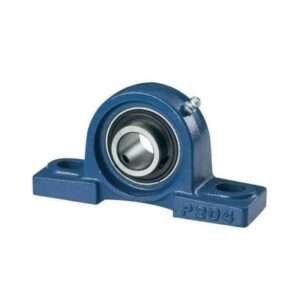
Pillow Block Bearings (4)
-
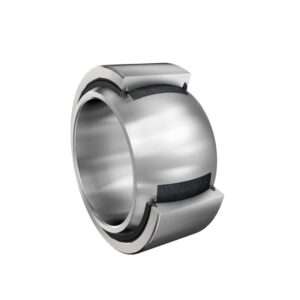
Plain Bearings (32)
-
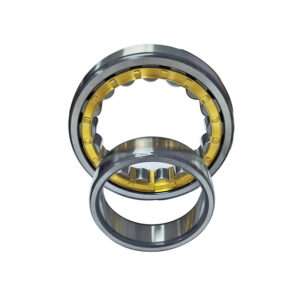
Roller Bearings (12)
-
Slewing Bearings (43)
-
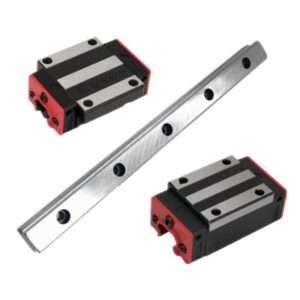
Sliding Block (3)
-
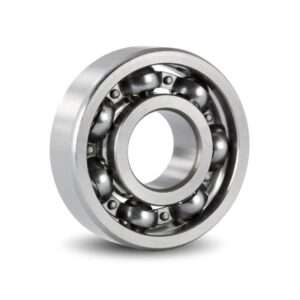
Stainless Steel Bearings (27)
-
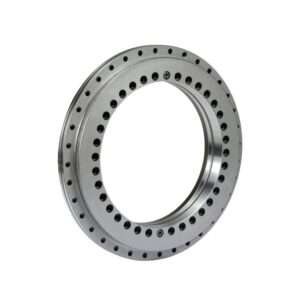
Super Precision Bearings (6)
-
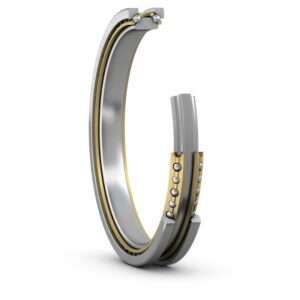
Thin Section Bearings (9)
-
Track Rollers (4)
-
Universal Joints (1)


Chips

1. Introduction: Why Eccentric Hanger Bearings Matter in Modern Machinery
The Persistent Problem of Shaft Misalignment in Industry
Shaft misalignment is like that one stubborn leak in a machine—you fix it temporarily, but it keeps coming back. Whether it’s due to thermal expansion, settling foundations, or inconsistent installation, misalignment continues to chew up time, money, and equipment. Left unchecked, it leads to excessive vibration, premature bearing wear, and even catastrophic failure of key components.
How Eccentric Hanger Bearings Provide a Reliable Solution
Eccentric hanger bearings step in like a seasoned mechanic with a tool for every problem. Their unique adjustability allows fine-tuning of shaft position, eliminating the misalignment gremlins that haunt many industrial systems. Unlike standard bearings, they can adapt to subtle positional errors, helping maintain peak performance without needing a complete teardown.
Key Benefits for Procurement Professionals & OEMs
For procurement professionals and OEMs alike, eccentric hanger bearings offer something better than a Band-Aid fix—they’re a long-term alignment solution. With improved uptime, extended service life, and reduced maintenance, they deliver a healthy ROI that procurement teams can appreciate. Plus, they help OEMs hit tighter tolerances right off the assembly line, cutting down post-installation headaches.
2. What Are Eccentric Hanger Bearings?
Core Definition and Mechanical Functionality
At their core, eccentric hanger bearings are adjustable support units designed to hold rotating shafts in conveyor systems and other machinery. The key feature is their eccentric sleeve or collar, which allows the shaft centerline to shift slightly during installation or adjustment. This flexibility is a game-changer when it comes to correcting angular or parallel misalignment on the fly.
Differences Between Eccentric and Standard Hanger Bearings
Unlike fixed hanger bearings that demand perfect alignment from day one, eccentric variants give you wiggle room—literally. By rotating the eccentric sleeve, technicians can fine-tune shaft position without dismantling the whole system. This built-in adjustability sets them apart from traditional designs, especially when dealing with unpredictable environments or machinery that expands and contracts.
Industries That Rely Most on Eccentric Designs
You’ll find eccentric hanger bearings pulling their weight across a range of rugged industries—agriculture, mining, pulp and paper, and food processing, to name a few. Wherever conveyors run long and fast, and downtime costs pile up fast, eccentric designs prove their worth. Their ability to adapt under pressure makes them indispensable in operations that simply can’t afford a misalignment mishap.
3. Common Alignment Challenges in Industrial Applications
Vibration & Premature Wear Due to Misaligned Shafts
Even minor shaft misalignment can kick off a cascade of issues—vibrations that rattle the whole assembly, increased friction, and accelerated wear on bearings and seals. It’s like running your car with one wheel slightly off-center—it’ll go, but not for long. These vibrations aren’t just a nuisance; they’re a red flag for impending failure.
How Improper Alignment Increases Downtime & Costs
Misalignment isn’t just a mechanical problem—it’s a financial one. Every hour of downtime drains productivity, with emergency maintenance and replacement parts adding to the bill. If the misalignment isn’t caught early, it often leads to larger systemic failures that halt entire lines or force costly production delays.
Real-World Examples of Alignment-Related Failures
In the mining sector, a poorly aligned conveyor shaft once led to bearing blowout every few weeks until eccentric hangers were installed, cutting failures to near zero. In food processing, minor alignment errors caused jamming and unplanned cleaning cycles. These aren’t edge cases—they’re day-to-day reality in operations where alignment is often treated as an afterthought.
4. The Science Behind Eccentric Hanger Bearing Adjustability
How the Eccentric Sleeve Mechanism Works
The heart of the adjustability lies in the eccentric sleeve—a cam-like feature that shifts the bearing centerline when rotated. This allows technicians to align shafts with pinpoint accuracy, even after installation. It’s simple in theory but incredibly effective in practice, especially when machinery tolerances are tight and space is limited.
Fine-Tuning for Precision Alignment Tolerance
Once the sleeve is rotated into the optimal position, it’s locked in place, holding the shaft securely while keeping it aligned within fractions of a millimeter. This fine-tuning capability makes a world of difference in high-speed systems, where even slight misalignment can introduce significant dynamic imbalance. The beauty lies in how easily this tweak can be made—no heavy teardown required.
Why This Design Outperforms Fixed Bearings
Fixed bearings demand perfect alignment from the start and leave no room for adjustment once bolted down. That rigidity often becomes their Achilles’ heel in dynamic environments. Eccentric hanger bearings, by contrast, bring flexibility to the table, allowing in-situ corrections that would otherwise require costly disassembly.
5. Key Advantages of Using Eccentric Hanger Bearings
Reduced Maintenance & Longer Equipment Lifespan
By accommodating alignment variances, these bearings dramatically reduce mechanical strain on shafts and couplings. The result is less wear and tear across the board, which translates to fewer maintenance cycles and longer machine life. It’s like giving your equipment a cushioned landing instead of a crash landing every cycle.
Enhanced Load Distribution & Lower Vibration Levels
Better alignment equals smoother operation—plain and simple. When loads are evenly distributed across the shaft, vibration levels drop and efficiency goes up. That kind of balance can mean the difference between humming along and shaking apart.
Cost Savings from Fewer Repairs & Replacements
Downtime eats into profits like rust on a gear. With eccentric hanger bearings, unexpected shutdowns become less frequent, repair costs drop, and bearing replacement intervals get stretched out. It’s a budget-friendly move that doesn’t skimp on performance.
6. Types of Eccentric Hanger Bearings and Their Uses
Pillow Block vs. Flange-Mounted Eccentric Bearings
When it comes to mounting options, pillow block and flange-mounted designs each serve their own purpose. Pillow blocks sit flat and are commonly used in horizontal shaft setups—think conveyor belts or augers. Flange-mounted types, on the other hand, are bolted to vertical or angled surfaces, making them ideal for applications where space constraints or directional forces come into play.
Industry-Specific Applications (Mining, Conveyors, Agriculture, etc.)
In mining, eccentric bearings are often used in rugged conveyor systems where alignment changes are caused by shifting loads and uneven terrain. Agricultural equipment like grain elevators and augers also benefit, especially when installations stretch across varying ground levels. In manufacturing plants, eccentric bearings are employed to maintain tight tolerances across long production lines that can’t afford misalignment hiccups.
Choosing Between Sealed vs. Open Bearing Designs
Sealed designs are great for dirty, wet, or abrasive environments where contaminants would otherwise cut bearing life short. They keep the grime out and the grease in—plain and simple. Open designs, while requiring more frequent maintenance, allow for better heat dissipation and are preferred in cleaner, high-speed environments where performance takes priority over protection.
7. Material Selection for Maximum Durability
Cast Iron vs. Steel Eccentric Housings – Pros & Cons
Cast iron is the go-to for most standard applications—it’s tough, vibration-dampening, and cost-effective. Steel, while pricier, brings higher tensile strength and is less prone to cracking under shock loads. When you’re running a system that takes a beating—like a rock crusher conveyor—steel housings can be the difference between running smooth and running scared.
Corrosion-Resistant Coatings for Harsh Environments
In wet, salty, or chemically aggressive settings, standard housings will rust faster than a pickup in a snowstorm. That’s where coatings like zinc plating, epoxy paint, or even stainless steel housings come into play. These coatings act like armor, guarding the bearing against corrosion and extending its useful life in nasty environments.
Impact of Material on Load Capacity & Longevity
The choice of material directly affects the bearing’s load-handling ability and its lifespan under stress. Heavier-duty materials like ductile iron or alloyed steels can withstand greater static and dynamic loads, giving OEMs more design flexibility. And when the load’s under control, the longevity goes up—less flex, fewer cracks, longer runtime.
8. Lubrication Systems to Extend Bearing Life
Grease vs. Oil Lubrication for Eccentric Bearings
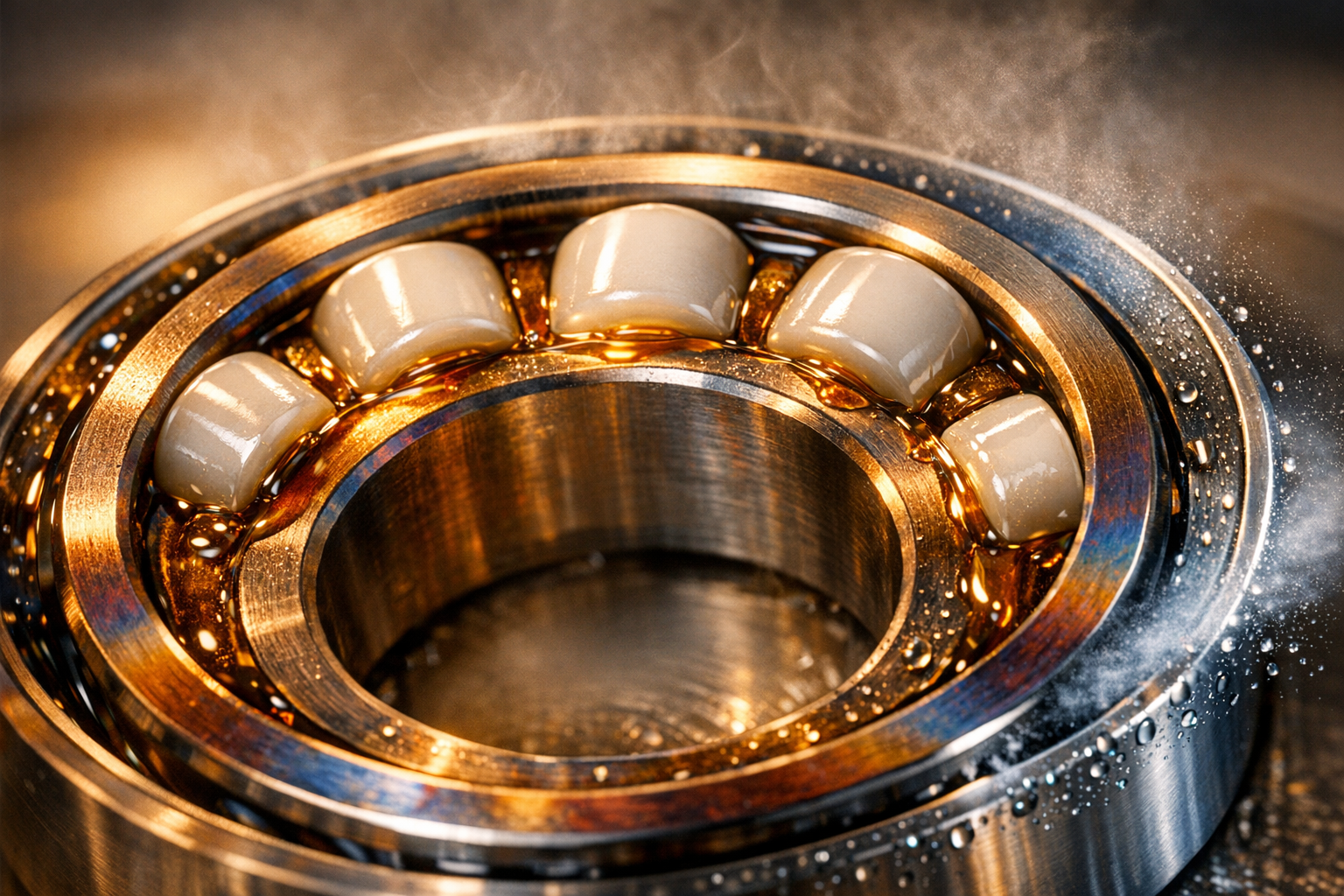
Grease is the old reliable—it sticks where it’s needed, seals out debris, and works well in moderate-speed applications. Oil, on the other hand, excels in high-speed setups where thermal dissipation is key. The choice boils down to operating conditions: grease for rugged reliability, oil for precision performance.
Automatic Lubrication vs. Manual Maintenance
Automatic systems take the guesswork out of maintenance, ensuring consistent lubrication intervals and reducing human error. They’re especially useful in systems that are hard to reach or that run 24/7. Manual greasing still has its place in low-volume setups, but in high-stakes operations, automation keeps things flowing smoothly.
Best Practices for Lubricant Selection & Intervals
Not all greases are created equal—some are rated for extreme pressure, others for high temperatures or washdown resistance. Always follow the manufacturer’s specs and match the lubricant to the operating conditions. As for intervals, stick to a schedule based on actual run hours, not calendar days—it’s about wear, not time.
9. Installation & Alignment Best Practices
Step-by-Step Guide to Proper Eccentric Bearing Installation
First, mount the hanger securely and ensure the base surface is flat and free of burrs. Insert the shaft through the bearing, then rotate the eccentric collar in the direction of shaft rotation until it locks into place. Once aligned, tighten the set screws to spec, being careful not to overtighten and distort the housing.
Common Mistakes That Lead to Alignment Failures
Rushing the job is the biggest culprit—technicians skipping shaft runout checks or eyeballing alignments invite future problems. Using the wrong torque on set screws or failing to lock the eccentric collar properly can also lead to slippage or misalignment under load. And never reuse distorted or worn-out collars—they’re a weak link waiting to snap.
Tools Needed for Accurate Adjustment (Dial Indicators, etc.)
Dial indicators are essential for confirming shaft centerline alignment and runout. A good straightedge, feeler gauges, and torque wrench round out the must-have tools. In precision applications, laser alignment tools offer unparalleled accuracy and can drastically reduce startup problems and long-term wear.
10. How Eccentric Bearings Reduce Downtime in Critical Operations
Case Study: Conveyor Belt Efficiency Improvement
In a midwestern grain elevator, conveyor misalignment was causing weekly breakdowns during harvest season. After switching to eccentric hanger bearings, the team fine-tuned shaft alignment in hours instead of days. Downtime dropped by 80%, and the bearings lasted three times longer than the standard fixed units they replaced.
Example: Heavy-Duty Mining Equipment Reliability
A copper mine in Arizona retrofitted eccentric bearings onto their ore sorting line, which had been plagued by vibration-induced failures. With the new bearings, vibration was reduced by 60%, and scheduled downtime was cut nearly in half. The move saved over $250,000 in lost production and repairs within the first year.
Preventing Breakdowns in High-Speed Applications
High-speed systems are especially sensitive to misalignment, where even minute errors magnify at velocity. Eccentric bearings allow real-time corrections without halting the line—an invaluable trait in packaging, bottling, or textile industries where stoppages can ripple across entire operations. They don’t just prevent breakdowns—they prevent chain reactions.
11. Comparing Eccentric vs. Self-Aligning Bearings
When to Choose Eccentric Over Self-Adjusting Bearings
Self-aligning bearings are fine when you’re dealing with minor shaft deflections or flexible mounting surfaces. But when the alignment issue stems from a fixed misplacement—like an offset housing or an imprecise mounting bracket—eccentric bearings are the clear winner. They give you manual control, allowing you to dial in the correction instead of relying on internal float.
Handling Extreme vs. Minor Misalignment Differences
Self-aligning units typically handle a few degrees of angular misalignment but aren’t designed for substantial offset corrections. Eccentric bearings, on the other hand, are made to correct deliberate shaft displacement within a larger window—especially critical in long conveyor systems where errors compound over distance. If the shaft’s more than just slightly off, eccentric’s your ticket.
Cost vs. Performance Trade-Offs for Procurement
On paper, eccentric bearings might cost a bit more than their self-aligning counterparts, but that upfront price tag hides a mountain of downstream savings. Less downtime, longer service life, and faster installations can swing the balance in their favor. For procurement folks looking beyond the price per unit and into lifecycle costs, the numbers speak loud and clear.
12. The Role of Precision Manufacturing in Eccentric Bearings
CNC Machining for Exact Eccentricity Tolerances
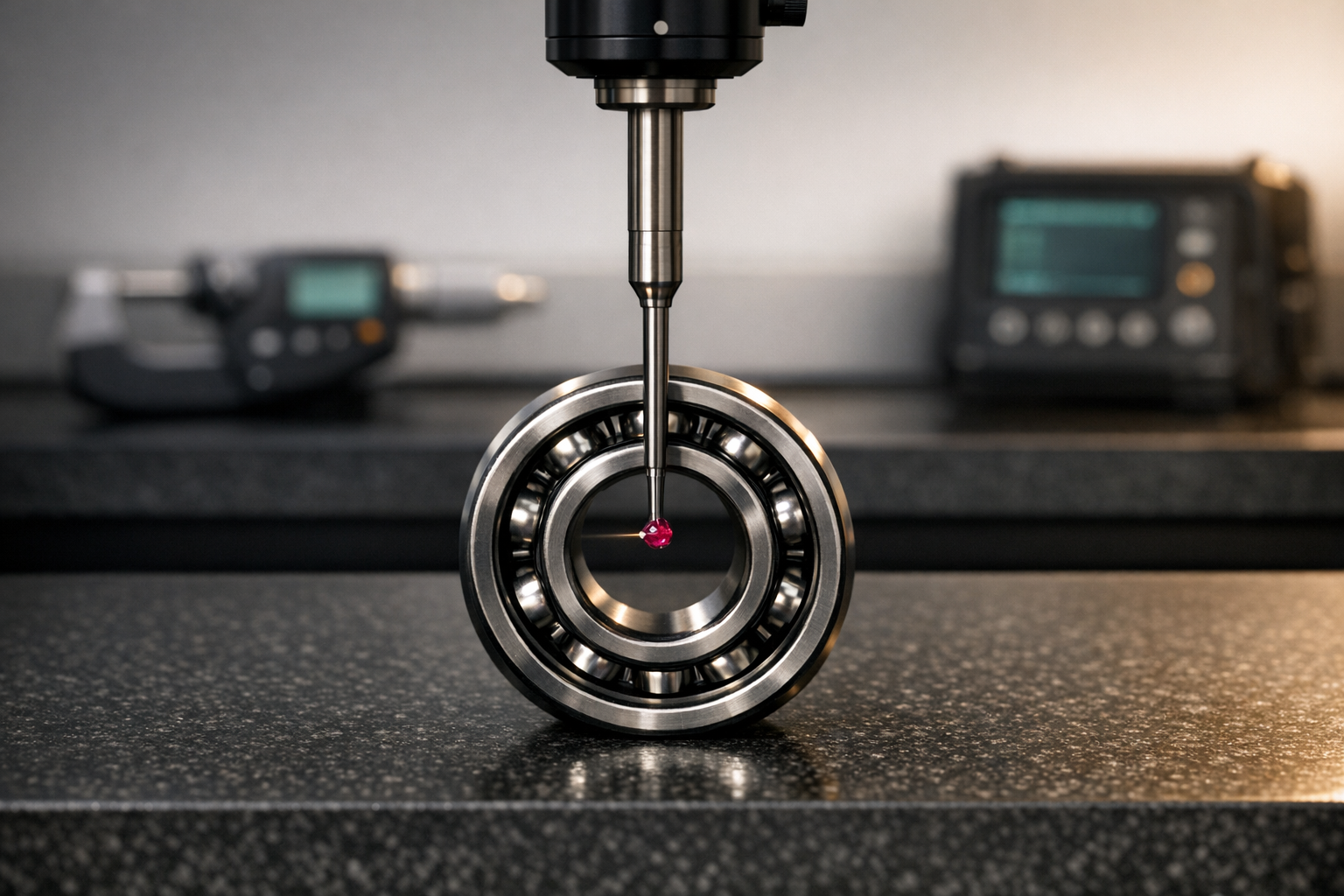
Manufacturing eccentric hanger bearings isn’t your run-of-the-mill casting and drilling operation. These units demand high-precision CNC machining to ensure consistent eccentricity and concentricity between the shaft bore and housing center. One out-of-spec sleeve can throw off the entire alignment—and in a production line, that’s a no-go.
How Tight Production Standards Ensure Consistency
OEMs who manufacture to tight tolerances (we’re talking microns, not millimeters) deliver products that install easier, adjust smoother, and last longer. Consistency isn’t just about bragging rights—it ensures that every bearing performs identically, so technicians don’t have to fight with one unit while the next slides in like a glove.
Quality Testing for Reliable Performance
Before these bearings ever hit a warehouse shelf, they go through rigorous quality control—runout tests, hardness checks, and load simulations. Bearings used in mission-critical systems—like food processing conveyors or mining crushers—often require 100% inspection. It’s this level of scrutiny that keeps your gear humming and your phone from lighting up at 2 a.m.
13. Custom OEM Solutions for Unique Alignment Needs
Tailoring Eccentric Hanger Bearings to Specific Machinery
Not every machine plays by the rules, and that’s where custom solutions shine. Whether it’s a unique shaft diameter, an oddball mounting configuration, or an unusual load pattern, OEMs can tailor eccentric hanger bearings to fit like a wrench in a well-stocked toolbox. Custom doesn’t mean overkill—it means optimized performance from day one.
Benefits of Partnering with an OEM Manufacturer
When you work with an OEM bearing manufacturer, you’re not just buying parts—you’re buying know-how. They can help design for future alignment adjustments, integrate lubrication channels, and pre-install fittings for plug-and-play convenience. A solid OEM partner doesn’t just react to problems—they help prevent them before the first bolt is tightened.
Real-World Example: A Brand's Custom Alignment Fix
A packaging company struggling with warped steel supports on a heat shrink tunnel turned to an OEM for a fix. Off-the-shelf bearings weren’t cutting it, but a custom eccentric housing with an extended adjustment range solved the problem without major retooling. The result? 40% fewer service calls and zero bearing replacements over two years.
14. Future Trends in Eccentric Bearing Technology
Smart Bearings with IoT Monitoring for Predictive Maintenance
Smart bearings are no longer science fiction—they’re rolling out in plants around the world. With embedded sensors that monitor temperature, vibration, and load in real time, maintenance teams can predict failures before they happen. Eccentric hanger bearings are getting the same treatment, making alignment issues visible before they shut things down.
Advanced Materials for Even Higher Load Capacities
New alloys, ceramics, and composite materials are pushing the limits of what eccentric bearings can handle. Hybrid designs that mix steel races with ceramic balls offer lower friction, higher RPM capacity, and better heat resistance. These material breakthroughs are setting the stage for eccentric designs to expand into faster, heavier-duty roles.
How Automation is Changing Bearing Alignment Standards
As more plants shift toward fully automated systems, the demand for plug-and-play alignment solutions is ramping up. Eccentric bearings are being designed with quicker adjustment mechanisms and compatibility with robotic assembly lines. The ability to dial in alignment during commissioning—without downtime—fits perfectly with lean manufacturing goals.
15. Cost Analysis: Why Eccentric Bearings Pay Off Long-Term
Breaking Down Total Cost of Ownership (TCO) Savings
Initial bearing cost is just the tip of the iceberg. With eccentric hanger bearings, you save on reduced installation time, fewer alignment-related breakdowns, and lower labor costs. Multiply that across a dozen production lines and the savings quickly snowball.
The Hidden Expenses of Frequent Misalignment Repairs
Misalignment causes a ripple effect—bent shafts, burned belts, overheated motors, and unplanned overtime. These costs aren’t always visible on a purchase order, but they bleed your budget dry. Eccentric bearings cut off that bleeding at the source by eliminating alignment guesswork and reducing failure frequency.
How Bulk OEM Purchasing Lowers Per-Unit Costs
If you’re outfitting multiple systems or a full facility, bulk buying direct from an OEM can bring the per-unit price down significantly. Add to that the savings from standardized inventory, reduced training time for installers, and fewer emergency parts orders, and you’ve got yourself a smart long-term investment.
16. Conclusion: Making the Right Choice for Industrial Alignment
Recap of Why Eccentric Hanger Bearings Outperform
Eccentric hanger bearings deliver where others fall short—providing on-the-fly shaft adjustment, rock-solid reliability, and a major reduction in costly alignment issues. Their mechanical ingenuity is matched only by their practical impact on uptime and maintenance.
Key Considerations for Procurement Professionals
When selecting bearings, don’t just consider the price tag—look at performance, service life, ease of installation, and how often you’ll need to send in the cavalry for repairs. Eccentric bearings check all the boxes for high-demand operations that can’t afford to babysit their equipment.
Next Steps for Sourcing High-Quality Eccentric Bearings
Work with experienced suppliers or OEMs who understand your industry and can recommend the right bearing style, material, and customization. And don’t forget to factor in alignment tools and lubrication strategies to maximize return on investment. Get it right the first time, and your machines will thank you later.