Table of Contents

Chips

1. Introduction to Slewing Drives
1.1 Definition and Basic Function
A slewing drive is essentially a compact gearbox that combines a slewing bearing with a worm gear, forming a unit that can transmit torque and rotate heavy structures smoothly. These assemblies provide both rotational motion and holding torque, making them indispensable in demanding applications. In short, they’re the unsung heroes turning massive loads with pinpoint control.
1.2 Key Role in Mechanical Systems
In modern mechanical systems, slewing drives are used whenever rotational accuracy and heavy-duty stability are critical. They allow engineers to design machinery that can move enormous weights without losing fine control. Without these units, many industries would be stuck relying on less efficient and bulkier motion solutions.
1.3 Importance of Consistent Performance
Consistency is the name of the game for procurement and operations alike. If a slewing drive falters, entire projects can grind to a halt, costing both time and money. That’s why buyers and engineers alike prioritize reliability above all else—because downtime is a luxury nobody can afford.
2. Core Components of Slewing Drives
2.1 Slewing Bearing Integration
The slewing bearing is the centerpiece, allowing smooth rotation while handling radial, axial, and tilting moment loads. It provides stability under stress and ensures the drive operates with minimal friction. Think of it as the backbone of the entire unit.
2.2 Worm Gear Mechanism
The worm gear delivers torque multiplication and locks the drive in place when not in motion. This mechanism makes slewing drives perfect for applications where holding position is just as important as moving. Its self-locking design offers an added layer of safety.
2.3 Housing and Sealing Systems
Durable housings and seals protect the internals from contaminants like dirt, water, and chemicals. Strong seals keep lubrication in and harmful elements out, ensuring longevity. Without proper housing, the most precise gears wouldn’t last long in the field.
3. How Slewing Drives Work
3.1 Transmission of Torque and Rotation
When torque enters through the worm shaft, it meshes with the gear on the slewing bearing. This converts small input power into large rotational force. The outcome is heavy machinery that turns smoothly without needing oversized motors.
3.2 Load Handling Capabilities
Slewing drives are built to take on enormous axial and radial loads, plus tilting moments. They distribute forces evenly across the bearing raceways, keeping performance steady. This capability allows them to function in everything from cranes to solar trackers.
3.3 Precision Control and Positioning
Beyond brute strength, slewing drives excel at precision. They enable incremental positioning, crucial for applications like radar systems and robotics. Without this accuracy, industries dependent on alignment would face costly inefficiencies.
4. Applications Across Industries
4.1 Renewable Energy Installations
Solar tracking systems and wind turbines rely heavily on slewing drives to orient panels and blades. These drives maximize energy capture by keeping components aligned with natural elements. Reliability here directly translates into improved energy yields.
4.2 Construction and Heavy Machinery
Cranes, excavators, and drilling rigs wouldn’t function effectively without slewing drives. They provide the controlled rotation required to handle heavy loads safely. Their durability ensures machinery can handle grueling schedules without frequent downtime.
4.3 Material Handling and Logistics
From conveyor turntables to port equipment, slewing drives are everywhere in logistics. They keep goods flowing by managing rotational motion smoothly. Efficient drives directly boost throughput in busy operations.
5. Performance Expectations for Procurement
5.1 Efficiency and Load Reliability
Procurement professionals expect drives that balance torque with energy efficiency. A well-designed slewing drive minimizes wasted power while still delivering strength. High efficiency translates to lower operational costs over time.
5.2 Lifecycle Durability
Durability across years of service is a major benchmark. Buyers want confidence that the product won’t fail prematurely. Long lifecycle performance protects brands from unnecessary replacement expenses.
5.3 Maintenance Cost Considerations
Low-maintenance design is always attractive to procurement. Units requiring minimal intervention save on labor and consumables. The fewer service interruptions, the more valuable the equipment becomes.
6. Consistency in Harsh Environments
6.1 Resistance to Dust and Debris
In dusty mines or construction sites, drives need robust seals. These prevent abrasive particles from entering and damaging the internals. Failure to resist contamination can cripple entire systems.
6.2 Performance Under Extreme Temperatures
From freezing cold to desert heat, slewing drives must remain dependable. Advanced lubrication and material selection keep them operating in such extremes. That adaptability is a cornerstone of their global usage.
6.3 Protection Against Moisture and Corrosion
Marine and offshore applications require excellent resistance to corrosion. Special coatings and sealing solutions protect the gears against saltwater exposure. Without this, equipment lifespans would shrink dramatically.
7. OEM and ODM Manufacturing Advantages
7.1 Custom Designs Tailored to Brand Needs
OEM and ODM partnerships allow customized specifications for different industries. Whether it’s a special gear ratio or housing design, tailoring ensures compatibility. Brands gain a competitive edge when drives match their unique requirements.
7.2 Cost-Effective Scalability
Manufacturers in China and beyond provide scalable production for global supply chains. Larger order volumes translate into cost savings without sacrificing quality. This helps procurement teams hit budget targets.
7.3 Quality Alignment With Global Standards
International buyers demand adherence to ISO and other standards. By aligning with these benchmarks, manufacturers guarantee performance consistency. It also streamlines global trade and approval processes.
8. Precision Engineering for Reliability
8.1 Tight Tolerance Machining
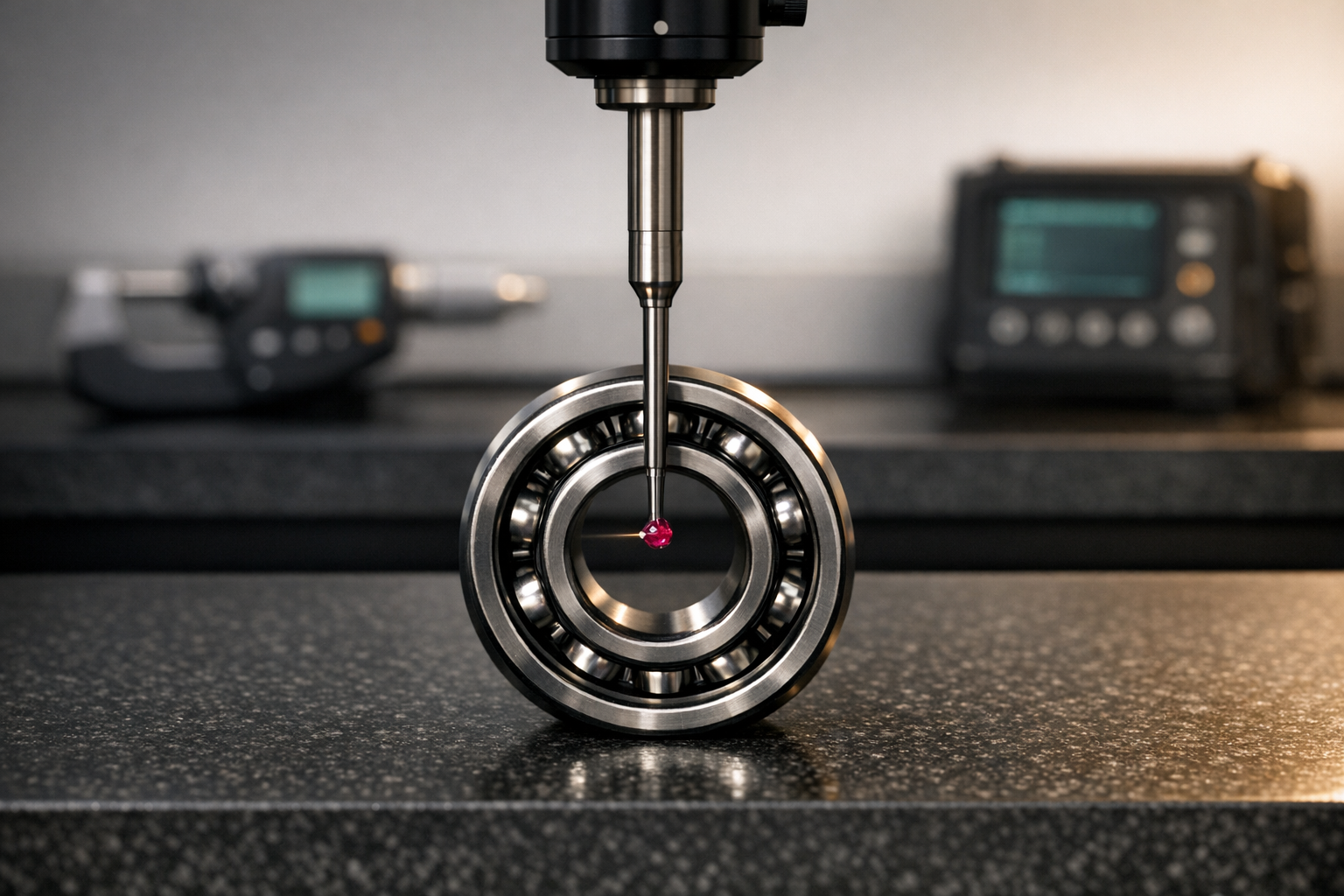
Machining to strict tolerances ensures smooth gear meshing. Even tiny deviations can cause vibration or wear. Precision manufacturing underpins reliable performance.
8.2 Gear Hardness and Wear Resistance
Through heat treatment and surface hardening, gears resist premature wear. Strong gears reduce the risk of breakdowns in critical applications. Buyers know hardened gears equal fewer headaches later.
8.3 Controlled Assembly Processes
Quality doesn’t stop at machining; controlled assembly makes or breaks a product. Meticulous assembly keeps alignment perfect and performance steady. Each step contributes to consistent reliability.
9. Materials That Ensure Performance
9.1 High-Grade Steel for Durability
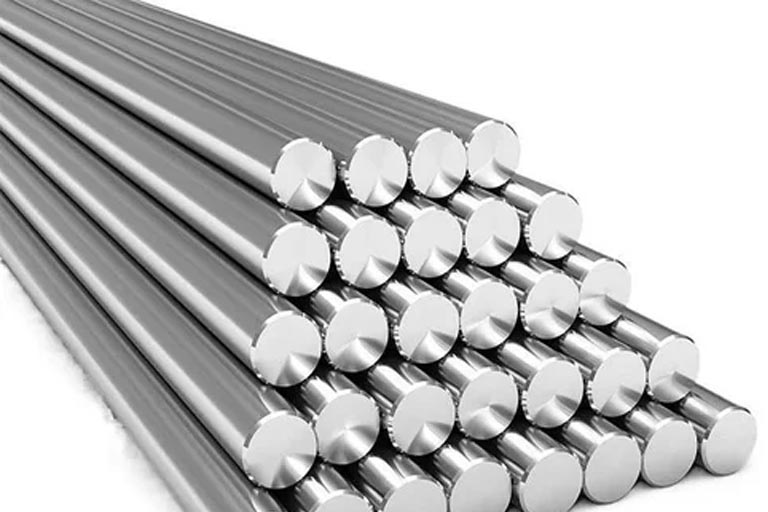
Robust steel alloys form the foundation of lasting slewing drives. These steels handle extreme loads without deforming. Strong materials ensure confidence in the field.
9.2 Advanced Coatings for Corrosion Resistance
Zinc plating, epoxy, or other coatings guard against rust. Coated surfaces extend product lifespan in corrosive environments. This extra layer of protection is invaluable in maritime or industrial settings.
9.3 Lubrication Solutions for Longevity
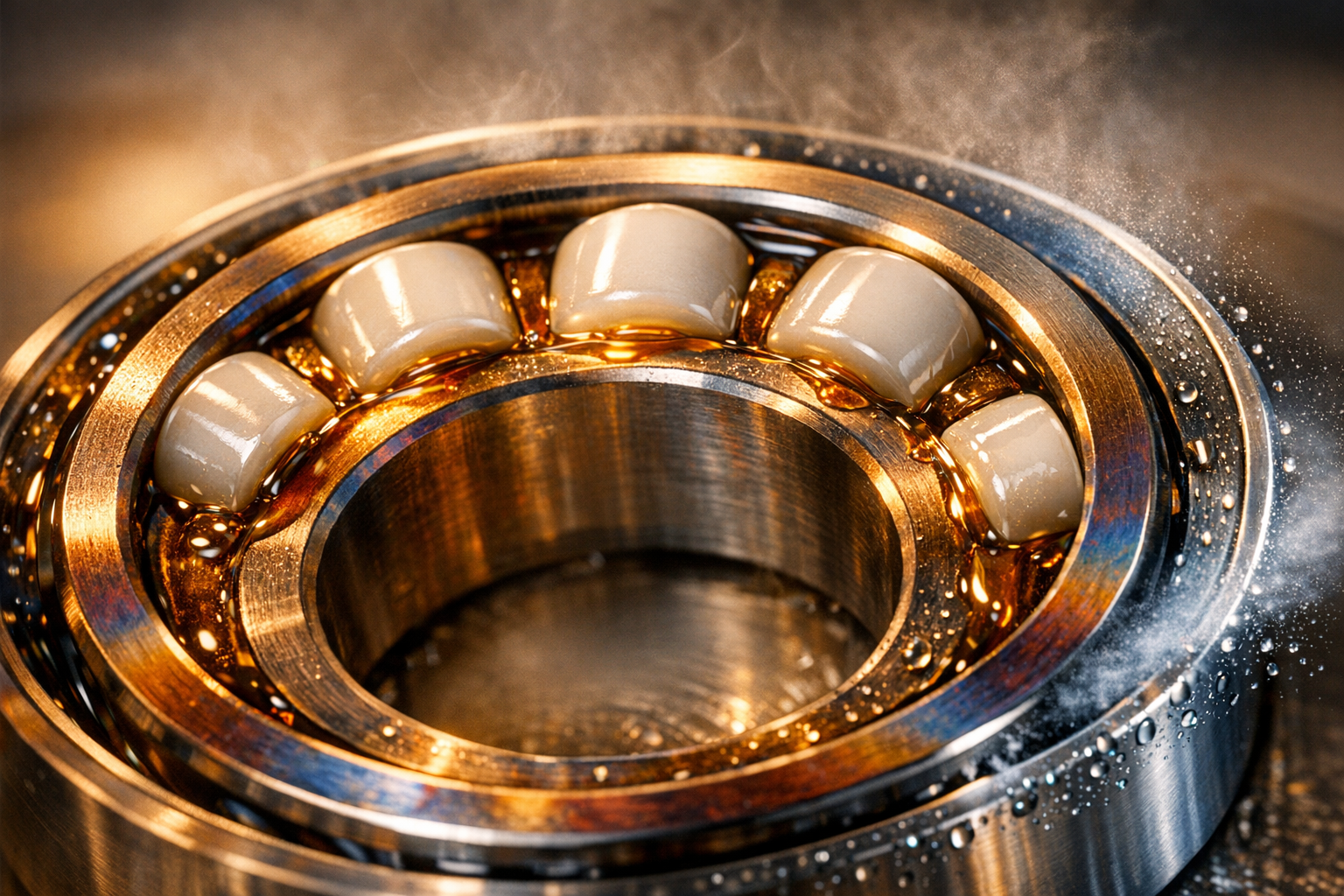
Greases and oils tailored to the application reduce friction. Proper lubrication extends service life and minimizes failures. Reliable lubrication is a small detail with massive payoff.
10. Testing and Quality Assurance
10.1 Load Testing for Torque Validation
Before shipping, drives undergo rigorous torque validation tests. These tests confirm the unit performs as advertised under real-world stress. It’s a safeguard against unforeseen failures.
10.2 Dimensional Accuracy Inspections
Every gear tooth, bearing seat, and seal interface must meet exact specifications. Dimensional checks ensure compatibility across systems. Accuracy here prevents costly fitment issues later.
10.3 Endurance and Lifecycle Trials
Extended trials simulate years of service in compressed timelines. These prove the drive can endure repetitive stress without faltering. For procurement, it’s evidence of long-term dependability.
11. Procurement Priorities in Slewing Drives
11.1 Balancing Cost With Performance
Finding the sweet spot between cost and reliability is always a challenge. Cheaper units often sacrifice durability, while premium ones must justify their price. Smart procurement weighs both short- and long-term value.
11.2 Securing Consistent Supply
Global projects demand a steady flow of components. Procurement teams need suppliers who can deliver on time, every time. Disruptions in supply chains can cripple entire operations.
11.3 Evaluating Supplier Reliability
It’s not just about the product—it’s about the people behind it. Supplier track records in delivery and support speak volumes. Consistency in partnership is as vital as the hardware itself.
12. Customization Options for Brands
12.1 Mounting Configurations
Different machines call for different mounting styles. Custom mounting ensures seamless integration into existing designs. A flexible supplier makes this an easy process.
12.2 Gear Ratios and Torque Ranges
Not every application needs the same torque. Tailoring gear ratios gives procurement teams drives optimized for their systems. This customization improves efficiency across the board.
12.3 Special Sealing and Protection Features
Additional seals, coatings, or housings can be added for harsh environments. Custom protection measures lengthen service life. Buyers appreciate having choices for unique challenges.
13. Energy Efficiency Considerations
13.1 Reduced Power Consumption Designs
Energy-efficient designs reduce strain on motors and power systems. Lower energy usage means reduced operational expenses. These savings compound over the drive’s lifecycle.
13.2 Smooth Motion Control
Efficient gearing ensures motion is fluid and consistent. This not only saves energy but also protects connected machinery from wear. Smoothness is a hallmark of quality engineering.
13.3 Sustainability in Long-Term Use
Efficient systems ultimately support environmental goals. Lower power draw and longer service life mean less waste over time. That sustainability adds to brand value.
14. Maintenance and Service Life
14.1 Predictive Maintenance Practices
Smart monitoring allows for predictive rather than reactive maintenance. Early detection of wear prevents catastrophic breakdowns. This practice saves both time and money.
14.2 Lubrication and Inspection Intervals
Regular checks and lubrication keep the drive in peak condition. Proper scheduling extends operational reliability. Simple practices can double the life of critical components.
14.3 Replacement Versus Repair Decisions
At some point, every component reaches end-of-life. The choice between repair and replacement depends on cost and downtime. Having a clear policy avoids unnecessary delays.
15. Case Studies of Consistent Performance
15.1 Renewable Energy Projects
In solar farms, slewing drives have delivered year-round consistency. Their reliability keeps panels oriented without costly interruptions. This consistency drives profitability for operators.
15.2 Heavy-Duty Construction Machinery
On construction sites, slewing drives allow cranes and excavators to perform daily without hiccups. Their resilience proves itself against the toughest loads. Machines that keep moving keep projects on schedule.
15.3 Long-Term Logistics Solutions
In warehousing, slewing drives power turntables and material handling systems. Their quiet, consistent operation improves workflow efficiency. Reliable drives keep the supply chain humming.
16. Future Trends in Slewing Drives
16.1 Smart Monitoring Integration
Future drives will feature embedded sensors for condition monitoring. Real-time data will allow operators to address issues before failure. This evolution promises even greater consistency.
16.2 Lightweight Material Innovations
Research into composites and lightweight alloys is paving the way for more efficient drives. These materials reduce weight without compromising strength. Lighter systems cut energy consumption further.
16.3 Growing Demand in Renewable Energy
With renewable energy booming, demand for slewing drives is set to climb. Solar and wind industries will push innovation in this field. Drives will become even more specialized to meet evolving needs.
17. Selecting the Right Supplier
17.1 Evaluating Technical Expertise
Suppliers with proven engineering depth offer better long-term reliability. Technical know-how ensures custom solutions are practical and effective. Expertise reduces risk in procurement decisions.
17.2 Assessing Global Delivery Capabilities
A strong logistics network is vital for international projects. Reliable shipping keeps installations on track. Buyers need partners who can deliver worldwide without hiccups.
17.3 Ensuring After-Sales Support
Support doesn’t end with delivery. Training, spares, and technical help keep systems running. Procurement teams place high value on strong after-sales service.
18. Conclusion and Key Takeaways
18.1 Importance of Consistent Performance
Slewing drives deliver strength, accuracy, and reliability when it matters most. Their consistency underpins modern mechanical systems across industries. This reliability is their true value.
18.2 Benefits for Procurement Professionals
Procurement professionals gain confidence in supply stability, lifecycle durability, and cost efficiency. Drives that hit these benchmarks strengthen a brand’s reputation. Investing in quality pays dividends.
18.3 Strategic Role in Long-Term Brand Success
The right slewing drives reinforce operational stability and customer trust. They’re not just components but long-term assets in industrial performance. In the big picture, they help brands build enduring success.