Table of Contents

Chips

1. Introduction to Eccentric Roller Bearings
Overview of Their Role in Modern Machinery
Eccentric roller bearings are unsung heroes in countless mechanical systems, keeping motion smooth and controlled where standard bearings fall short. Their ability to handle offset rotation makes them indispensable in specialized applications where precision meets irregularity. In a world where uptime means profit, these bearings help machines run without a hitch.
Why Industries Rely on Eccentric Designs
Industries lean on eccentric roller bearings because they’re engineered for unique motions that conventional bearings simply can’t handle. When you’ve got misaligned shafts or equipment that needs controlled oscillation, eccentric rollers step in to save the day. They deliver a mix of reliability and adaptability that procurement pros value when they’re sourcing components for high-performance systems.
Connection Between Design and Long-Term Value
The eccentric design isn’t just a gimmick—it’s a blueprint for extended service life. By reducing stress concentrations and spreading loads more effectively, these bearings hold their ground against wear. Over time, that translates into fewer replacements, lower maintenance bills, and stronger returns on investment for brand-driven procurement strategies.
2. Core Function of Eccentric Roller Bearings
How Eccentric Motion Is Achieved
Eccentric roller bearings achieve their function by using an offset inner raceway that converts rotational movement into controlled eccentricity. This design produces a precise oscillating motion, ideal for machinery that requires repetitive cycles. The beauty lies in how a simple shift in geometry creates dependable complexity in motion.
Differences From Conventional Bearings
Unlike standard ball or roller bearings, eccentric types aren’t about constant, uniform rotation. Instead, they manage asymmetry with grace, converting uneven movement into stable mechanical output. That sets them apart in fields where standard bearings would either fail quickly or require constant adjustment.
Key Applications Requiring Eccentricity
These bearings show up where exacting motion matters—cam drives, textile rollers, and automated feeding systems. Anywhere you need repeatable, controlled offset movement, eccentric roller bearings earn their keep. From food packaging lines to printing presses, they serve as the heartbeat of precision machinery.
3. Structural Design and Engineering Principles
Critical Components and Their Functions
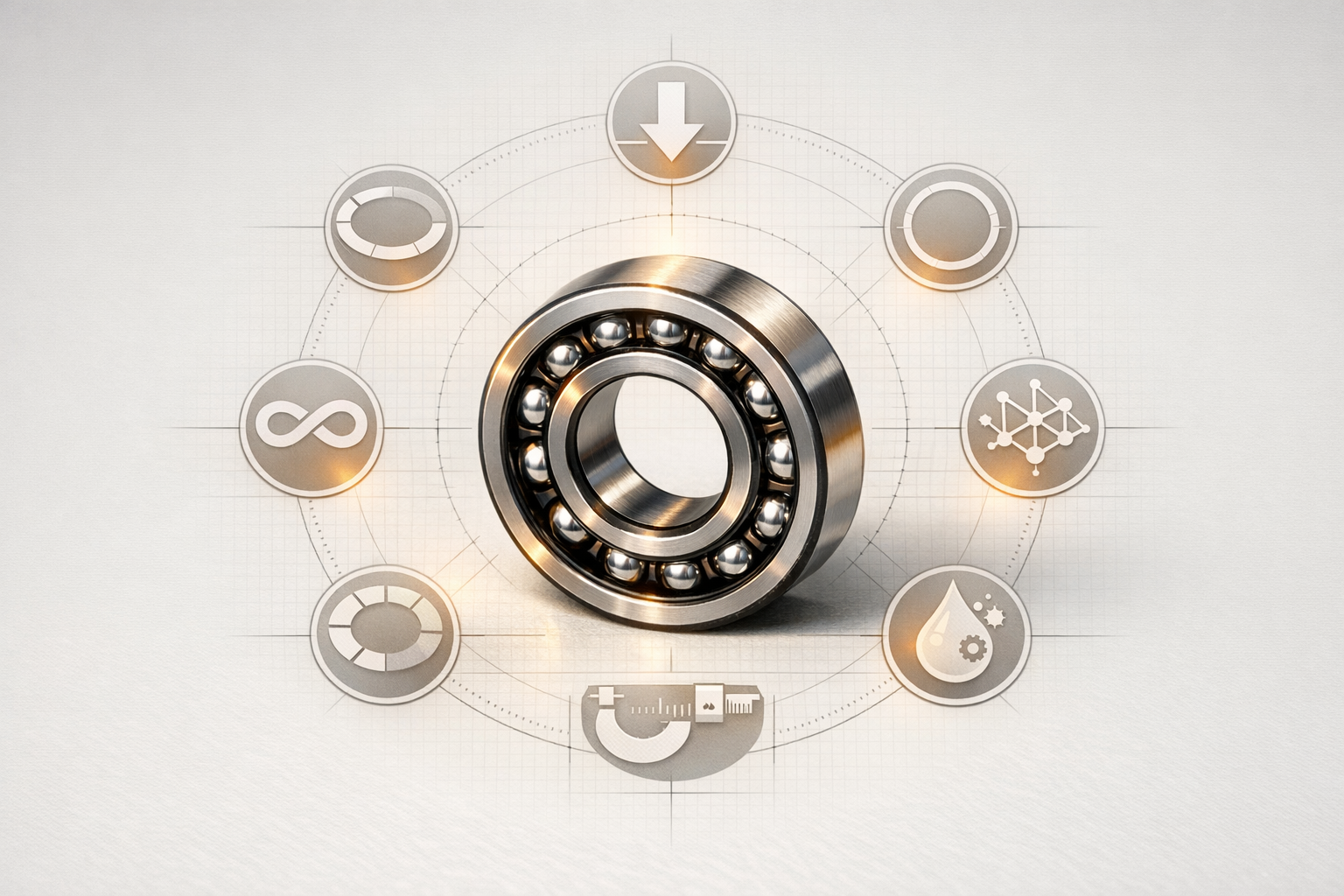
At the heart of the eccentric roller bearing are its inner and outer races, rollers, and cage system. Each piece contributes to stability, allowing the assembly to maintain high load capacity under unbalanced motion. The cage, often overlooked, ensures rollers stay evenly spaced, which is critical for reducing friction.
Material Choices for Durability
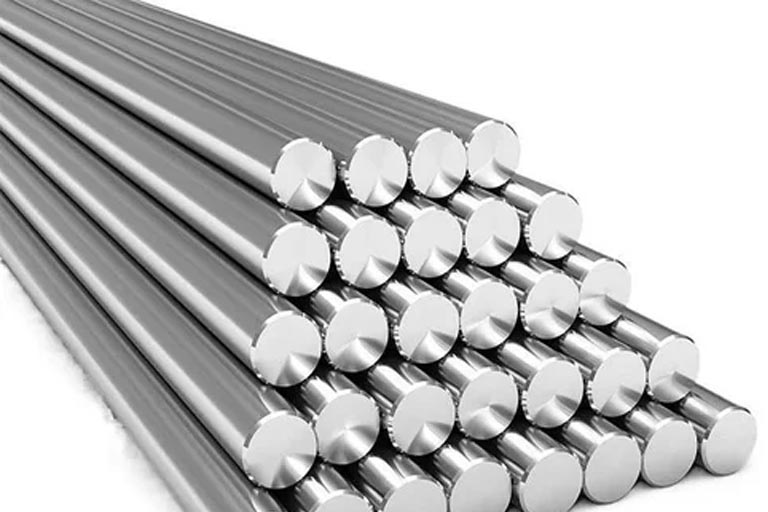
Bearing steels like 52100 chrome steel dominate, thanks to their balance of hardness and fatigue resistance. In more demanding environments, stainless steel or ceramic hybrids step in to combat corrosion and thermal stress. The right material choice makes or breaks a bearing’s service life under punishing workloads.
Precision in Manufacturing Tolerances
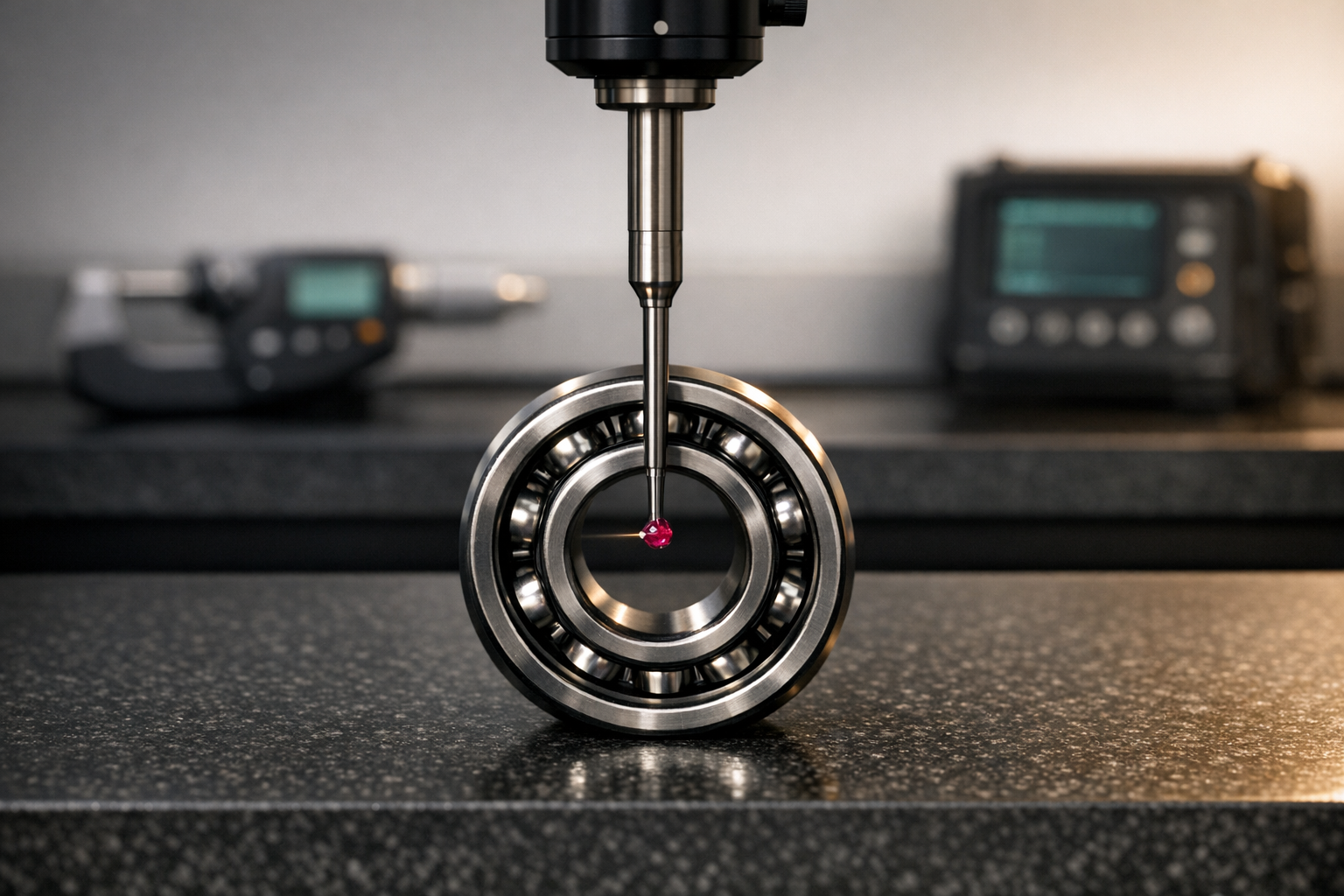
These bearings don’t forgive sloppy craftsmanship—tolerances need to be razor sharp. Micron-level accuracy during grinding ensures smooth rotation and minimal friction. If tolerances drift, vibration increases, and the supposed long-term value erodes rapidly.
4. Performance Advantages Over Standard Bearings
Load Distribution and Stability
Eccentric roller bearings spread loads more evenly across their rolling elements. This balanced distribution reduces stress peaks that typically shorten bearing lifespan. As a result, machinery can run longer without unexpected failures.
Resistance to Wear and Deformation
The eccentric geometry adds inherent resilience against brinelling and surface fatigue. By distributing forces away from weak points, it preserves surface integrity under repeated stress. That makes them highly resistant to premature wear.
Enhanced Performance in Dynamic Conditions
When machinery faces rapid stops, starts, or fluctuating speeds, eccentric rollers shine. Their construction adapts well to irregular forces without losing stability. For industries demanding constant motion shifts, they’re the go-to option.
5. Applications Across Global Industries
Use in Textile and Printing Machinery
Textile mills rely on eccentric rollers for fabric feeding, where precise oscillation prevents jams and snags. In printing presses, they maintain paper alignment and tension, ensuring high-quality outputs. Without them, production consistency takes a hit.
Role in Conveyors and Automated Equipment
Conveyor systems use eccentric roller bearings to guide loads and absorb uneven stresses. Automated machinery benefits from their ability to provide repeatable motion under high cycles. For procurement professionals, this translates into dependable uptime.
Integration in Heavy-Duty Industrial Systems
From mining equipment to packaging lines, these bearings handle brute force and precision simultaneously. They perform under heavy loads while maintaining smooth eccentric motion. That balance of strength and finesse makes them staples in industrial plants worldwide.
6. Longevity and Service Life Benefits
Factors Influencing Bearing Lifespan
Lubrication quality, material hardness, and operating conditions all influence service life. Proper installation practices also play a major role in avoiding premature failure. Addressing these factors upfront ensures long-lasting performance.
Protection Against Fatigue Failure
Eccentric rollers resist surface fatigue by distributing cyclical stresses more uniformly. This prevents spalling and flaking, two common failure modes. The design itself helps extend operating life under repetitive motion.
Maintenance Reduction Through Design
With fewer hotspots of stress, these bearings demand less frequent maintenance. Operators save on both labor hours and replacement parts. Over time, that adds up to substantial cost savings for plant operations.
7. Importance of Material Selection
High-Grade Steel Options
High-carbon chrome steels provide the backbone for most eccentric roller bearings. Their hardness ensures resistance to pitting and deformation. This makes them ideal for heavy-duty industrial use.
Ceramic and Hybrid Alternatives
Ceramic rollers paired with steel races reduce weight and resist thermal expansion. Hybrids combine the best of both worlds, extending performance in extreme environments. These options give procurement specialists flexibility when sourcing.
Coating Technologies for Added Protection
Modern coatings like TiN and DLC create extra barriers against corrosion and abrasion. Such treatments lengthen bearing life, especially in harsh or chemically aggressive settings. They also reduce friction, improving energy efficiency.
8. Precision Manufacturing for Quality Assurance
Advanced Machining Techniques
CNC grinding and superfinishing methods ensure mirror-smooth raceways. This reduces micro-abrasion during operation, boosting lifespan. Such precision machining is the backbone of bearing reliability.
Heat Treatment for Strength
Controlled heat treatment improves hardness while preserving ductility. This process equips bearings to resist both fatigue and shock loading. Without it, even the best designs fall short.
Inspection and Testing Standards
Bearings undergo rigorous testing—dimensional checks, noise tests, and load trials. These inspections verify that each unit meets international standards. Procurement professionals gain peace of mind knowing consistency is guaranteed.
9. Cost Efficiency and Total Value
Balancing Upfront Costs With Lifecycle Savings
While eccentric bearings may cost more upfront, their long-term savings outweigh the initial spend. Fewer replacements and lower downtime improve overall ROI. For procurement teams, this balance is a key decision driver.
Energy Efficiency Contributions
Reduced friction means less wasted energy in operation. Over thousands of cycles, the savings become significant. In energy-conscious industries, that’s a critical performance factor.
Reduced Downtime Benefits
Machines that stay running longer without failure directly improve profitability. Eccentric roller bearings keep systems online and productive. Less downtime means a leaner, more efficient supply chain.
10. Customization for Brand-Specific Needs
Tailored Load and Speed Capacities
Manufacturers can design bearings to handle unique load profiles or speed ranges. This ensures machinery operates at peak efficiency without overloading. Customization allows brands to stay competitive with specialized products.
Options for Special Environments
For corrosive, high-heat, or low-lubrication settings, special bearing designs are available. Custom seals, coatings, and materials keep performance steady in extreme conditions. This adaptability makes them indispensable across industries.
Adaptations for Proprietary Machinery
Proprietary systems often require unique geometries. Custom eccentric bearings can be tailored to fit seamlessly into these designs. That level of flexibility supports innovation without sacrificing reliability.
11. OEM and ODM Opportunities
Meeting Brand Procurement Expectations
Eccentric roller bearings can be manufactured to align with strict brand standards. Quality consistency ensures customer confidence in the final product. This builds trust in long-term partnerships.
Supporting Private Labeling Strategies
ODM services provide bearings ready for branding, saving time and resources. Procurement professionals gain the flexibility to market products under their own label. This strengthens brand visibility and credibility.
Partnership Benefits With Manufacturers
Working directly with manufacturers opens doors for innovation and cost savings. From design tweaks to bulk purchasing advantages, the collaboration pays off. Such partnerships drive both quality and efficiency.
12. Global Supply Chain Reliability
Consistent Availability of Components
Global demand requires manufacturers to maintain steady output. Reliable suppliers ensure procurement professionals don’t face shortages. This consistency keeps production lines moving without hiccups.
Logistics and Delivery Considerations
Efficient shipping and global distribution networks reduce lead times. Buyers benefit from predictable delivery schedules. This helps maintain just-in-time inventory strategies.
Building Resilience in Sourcing
Diversified sourcing strategies mitigate risks of geopolitical or supply disruptions. Working with adaptable manufacturers ensures resilience. This reliability is a cornerstone of long-term procurement planning.
13. Common Challenges and Solutions
Handling Misalignment Issues
Misalignment is a frequent culprit in bearing failure. Eccentric rollers mitigate the issue with geometry that accommodates slight deviations. Correct installation and alignment practices further extend life.
Managing Lubrication Demands
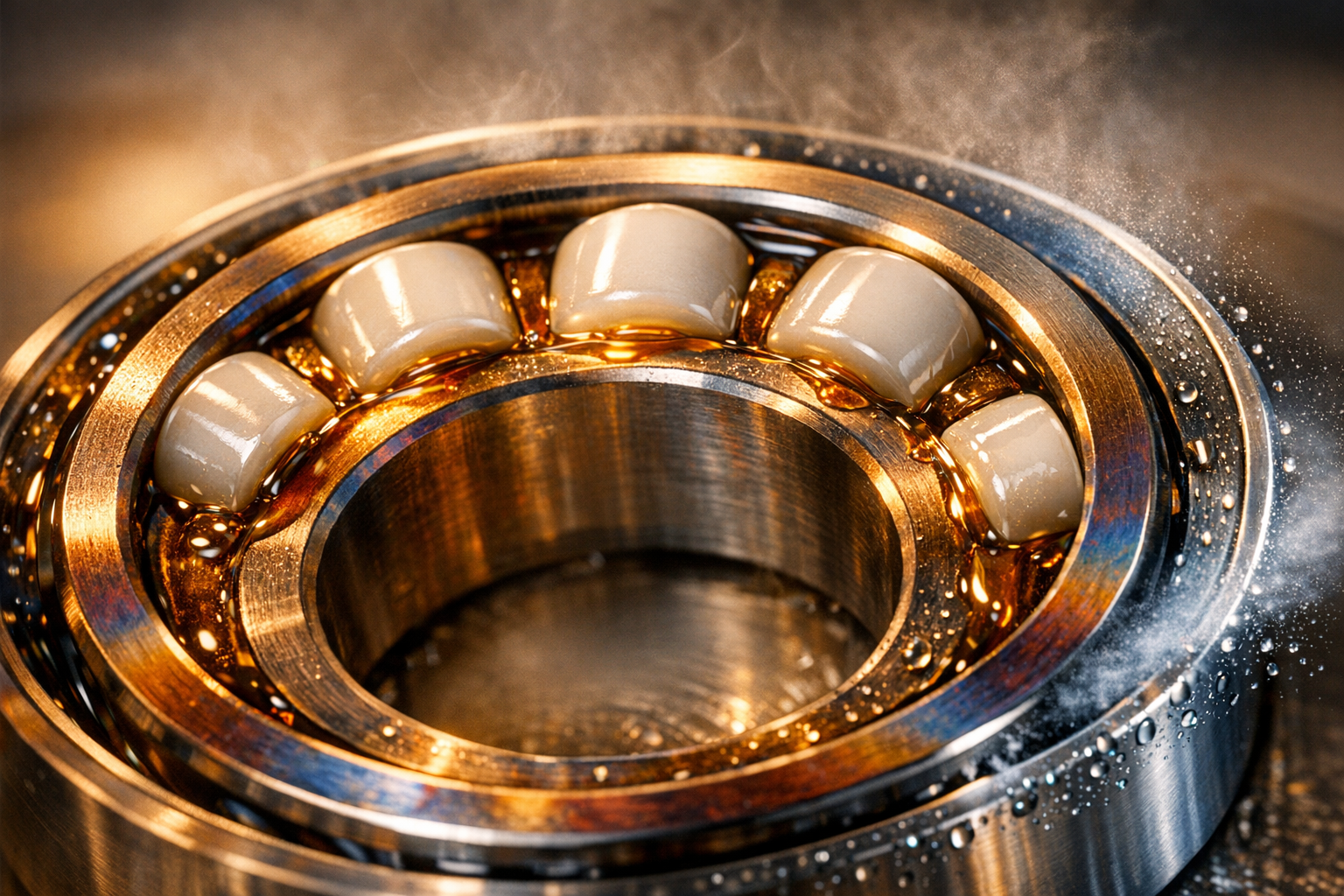
While eccentric bearings reduce friction, they still rely on proper lubrication. Automatic lubrication systems can extend intervals between maintenance. Using the right grease or oil is vital for smooth performance.
Addressing Noise and Vibration Concerns
Poor-quality bearings often rattle under load, but precision manufacturing solves that. Eccentric rollers, when designed correctly, dampen vibration. This ensures quieter operation, critical for sensitive applications.
14. Sustainability and Environmental Impact
Energy-Saving Performance Features
Friction reduction not only saves costs but also lowers carbon emissions. Over time, this contributes to a leaner environmental footprint. Sustainable procurement starts with components like these.
Recyclable Material Considerations
Most steel bearings can be recycled at end-of-life, supporting circular economy goals. Procurement teams benefit from specifying recyclable components. It’s both an environmental and economic advantage.
Compliance With Green Manufacturing Standards
Manufacturers adhering to ISO environmental standards deliver greener products. This helps brands meet regulatory and CSR goals. Eco-conscious customers view such sourcing as a competitive edge.
15. Future Trends in Bearing Technology
Smart Bearings With IoT Integration
Sensors embedded in bearings provide real-time condition monitoring. Predictive maintenance becomes easier, reducing costly downtime. Smart bearings are already transforming high-tech industries.
Advances in Surface Treatments
Nanocoatings and advanced plating methods further reduce wear and corrosion. These treatments push the boundaries of bearing lifespan. They’re becoming a new standard in premium procurement.
Miniaturization and Lightweighting Efforts
With automation moving toward smaller, faster systems, bearings follow suit. Lightweight materials and compact designs open new possibilities. This trend ensures eccentric bearings stay relevant in evolving industries.
16. Conclusion and Key Takeaways
Reinforcing the Long-Term Value Proposition
Eccentric roller bearings provide unmatched durability and adaptability. Their design is built for endurance, offering procurement teams true long-term value. They stand as a cornerstone of reliable machinery.
Strategic Role in Brand Competitiveness
By integrating these bearings, brands secure higher efficiency, lower costs, and improved reliability. This strengthens market position and customer trust. In competitive industries, that edge makes all the difference.
Final Thoughts on Procurement Decisions
When sourcing critical components, it pays to look past initial price tags. Eccentric roller bearings deliver value over the long haul, reducing total cost of ownership. For procurement professionals, that’s a smart bet every time.