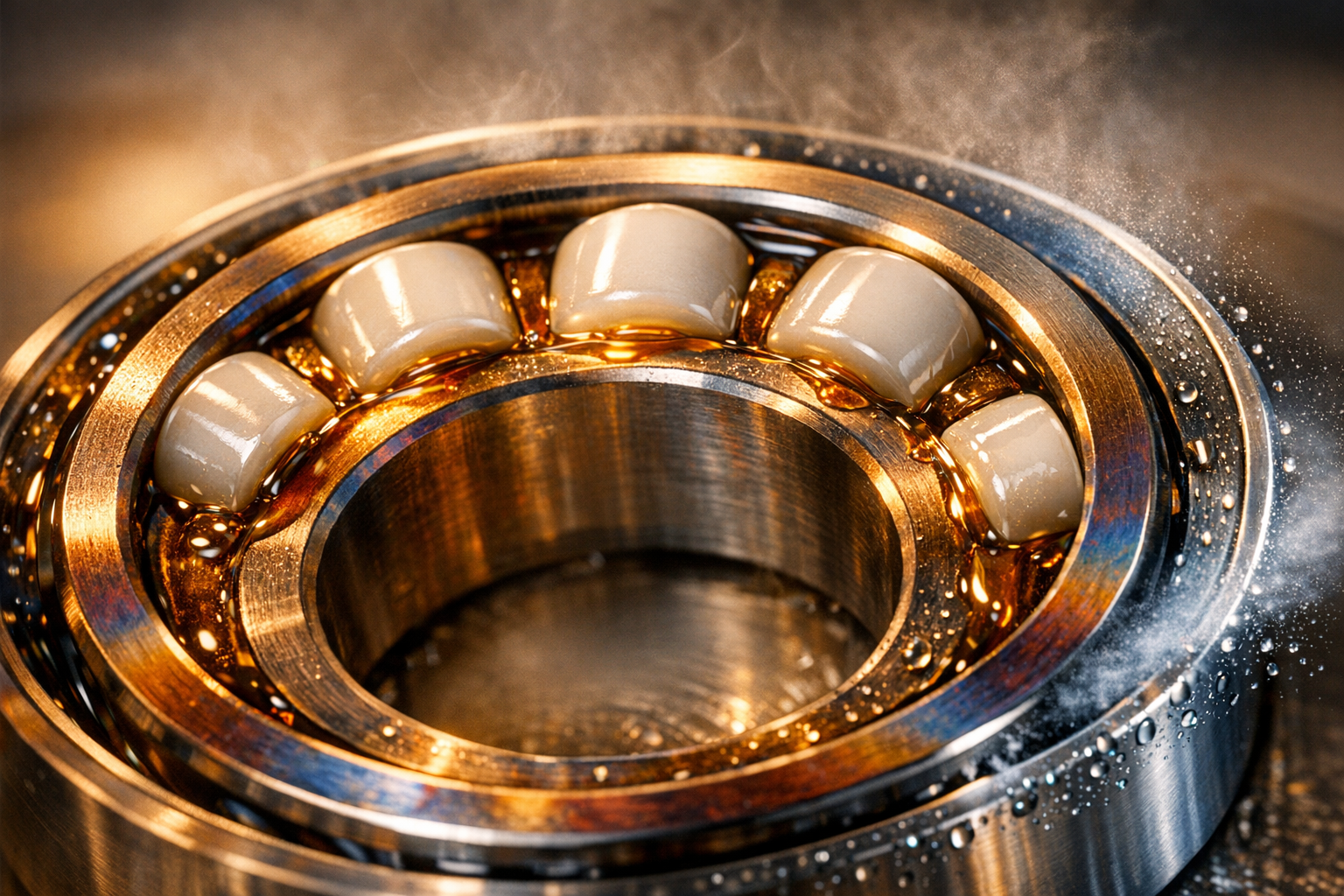
Pivot Bearings: The Unsung Heroes of Bicycle Suspension Systems
Pivot bearings play a crucial role in the performance, durability, and feel of full-suspension bicycles. These small but mighty components ensure smooth articulation of the frame’s moving parts, directly impacting ride quality and long-term reliability.
🚴 What Are Pivot Bearings?
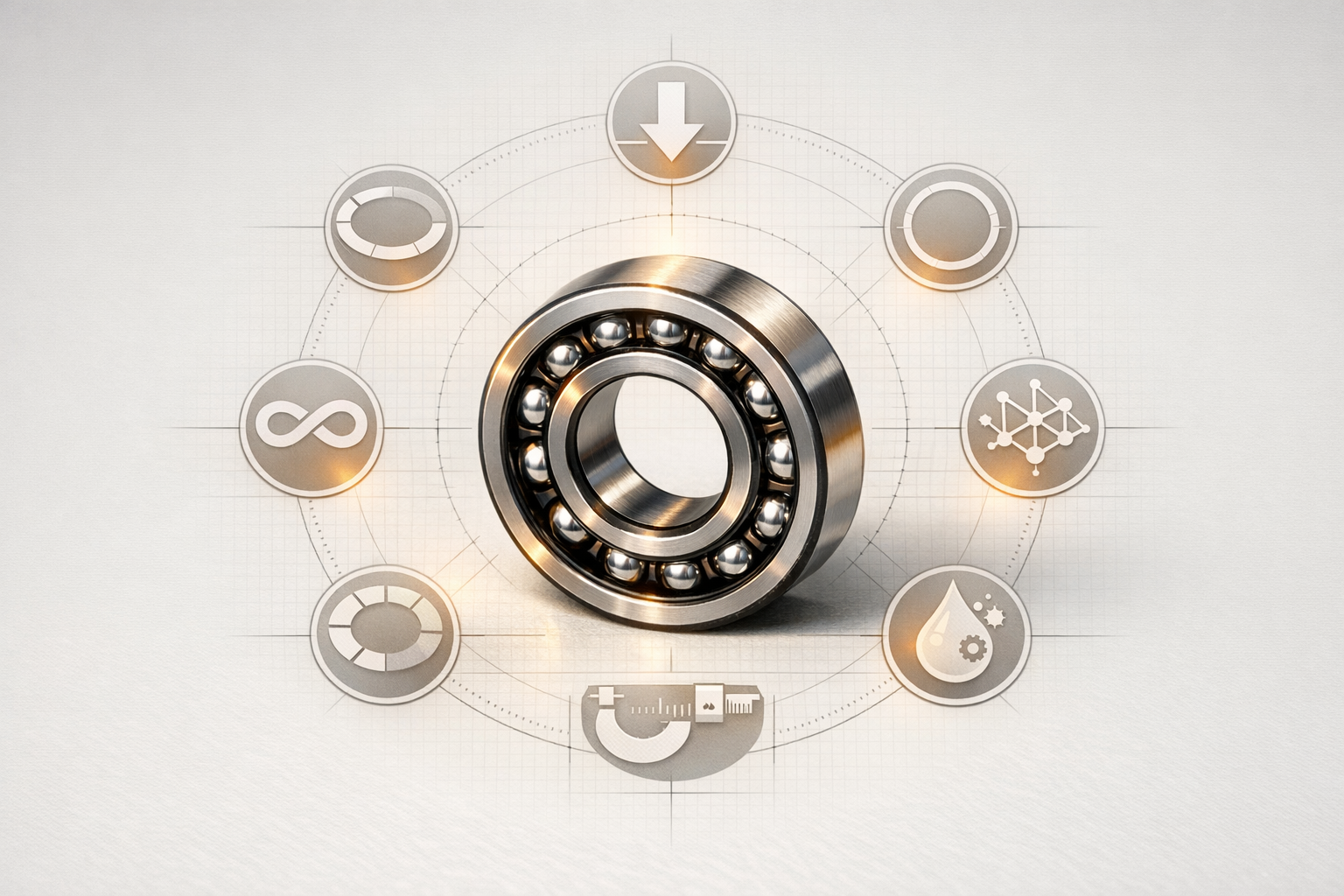
Pivot bearings are specialized bearings installed at the pivot points of a bicycle’s suspension system—typically where the rear triangle connects to the main frame. These bearings allow the suspension to move fluidly and absorb terrain impacts without binding or excessive friction.
Type: Most pivot bearings are sealed cartridge bearings, designed to resist dirt, moisture, and wear.
Placement: Common pivot locations include the seat stay, chain stay, rocker link, and bottom bracket area.
Function: They reduce rotational resistance and maintain alignment between moving frame parts.
🔧 Why Pivot Bearings Matter
High-quality pivot bearings are essential for:
Smooth Suspension Travel: They enable consistent movement through the bike’s travel range.
Reduced Wear: By minimizing friction, they protect frame components from premature wear.
Improved Handling: A well-maintained bearing system keeps the suspension responsive and predictable.
Noise Reduction: Worn bearings can creak or click—fresh ones restore silence and confidence.
🛠️ Materials and Design Features
Modern pivot bearings are engineered for rugged use:
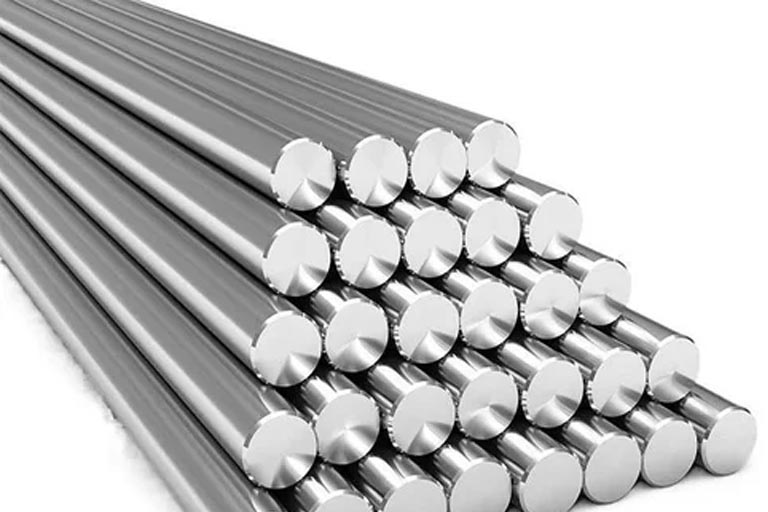
Materials: Typically made from hardened steel or stainless steel for strength and corrosion resistance.
Seals: Double-sealed designs keep out water and grit, extending service life.
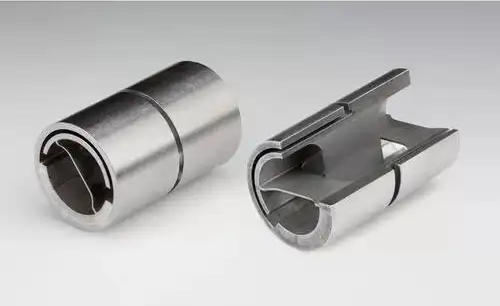
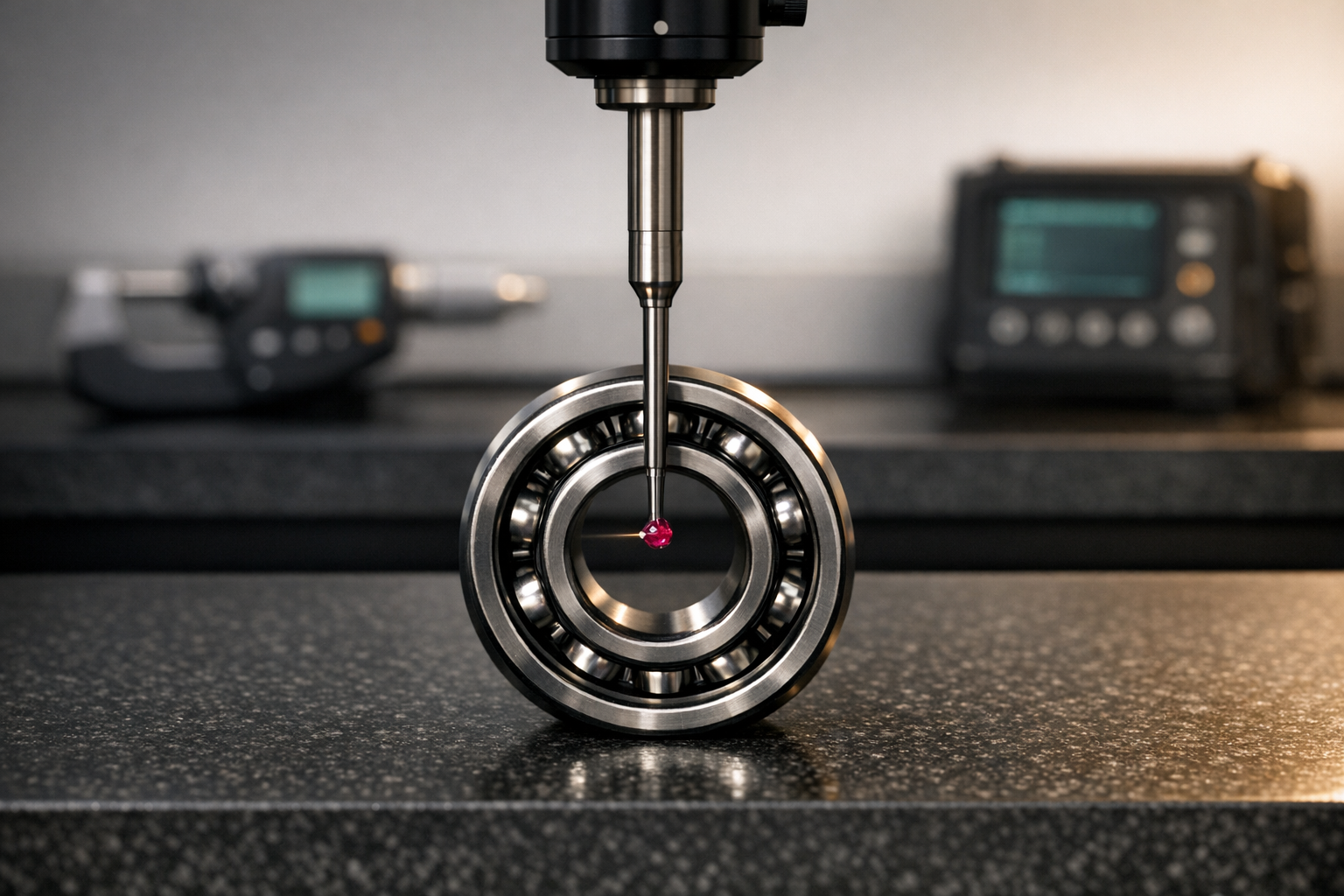
Some manufacturers, like FHD Bearing, offer precision-engineered pivot bearings tailored for specific bike models, ensuring optimal fit and performance.
🚀 Final Thoughts
Though often overlooked, pivot bearings are foundational to a bike’s suspension system. Investing in high-quality bearings and maintaining them properly can transform your ride—making it smoother, quieter, and more responsive. Whether you’re a weekend trail rider or a downhill racer, keeping your pivots in top shape is a smart move.
We and selected third parties use cookies (or similar technologies) for technical purposes, to enhance and analyze site usage, to support our marketing efforts, and for other purposes described in our Cookie Policy