Table of Contents

Chips
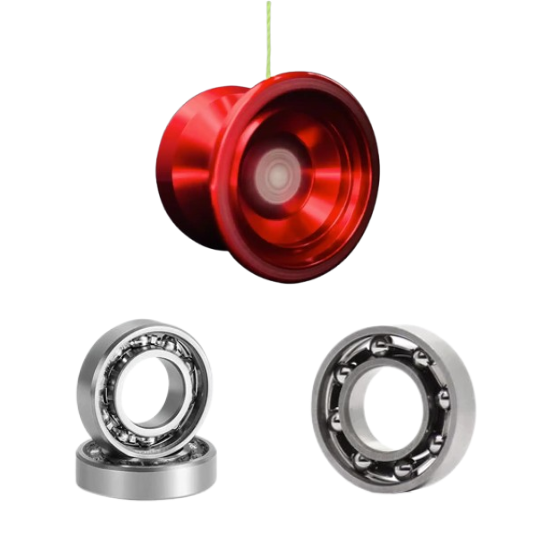
1. Introduction to YoYo Bearings for High-Performance Product Lines
1.1 The Role of Precision Components in Modern Yo-Yos
When it comes to modern yo-yos, precision isn’t just a nice-to-have—it’s the beating heart of performance. The bearing, tucked neatly between the axle and the string gap, is what makes or breaks a throw. Without tight tolerances and high-grade materials, even the flashiest yo-yo won’t spin smoothly or consistently. Think of it like a sports car’s engine: without the right parts, you’re not winning any races. Precision components keep performance stable, spins longer, and give throwers that buttery-smooth control they crave.
1.2 Why Bearing Quality Defines Product Performance
The quality of a yo-yo bearing dictates everything from spin time to responsiveness. Poorly made bearings introduce drag, noise, and instability—three words no brand wants associated with their product. High-quality bearings, on the other hand, ensure a consistent feel that pros and hobbyists both notice instantly. The smoother the bearing, the more control the player has during complex tricks. It’s not just about lasting longer—it’s about performing better every single throw.
1.3 The Growing Demand for High-Performance Yo-Yos
The yo-yo market isn’t what it used to be. It’s evolved from a toy aisle novelty into a precision-engineered performance sport. Players now demand speed, balance, and endurance from their yo-yos—and that means bearings have to keep up. With global competitions and online trick showcases, there’s pressure for brands to deliver the absolute best. This surge in demand for high-performance models is driving innovation from the inside out, starting with the bearing.
2. Understanding YoYo Bearings and Their Core Function
2.1 How Bearings Enable Smooth Spin and Control
Bearings act as the silent powerhouse of a yo-yo. By reducing friction between the axle and string gap, they allow the yo-yo to spin freely with minimal resistance. This means longer spin times and a smoother feel throughout each motion. In essence, the bearing transforms raw torque into controlled motion—a delicate dance of precision and engineering. When done right, it feels almost effortless, like the yo-yo is gliding on air.
2.2 The Relationship Between Friction, Speed, and Balance
Friction is both the enemy and the ally in yo-yo performance. Too much friction, and the spin dies early; too little, and control becomes a nightmare. The sweet spot is where speed meets balance—a bearing that offers silky motion without wobble or slip. Engineers work tirelessly to fine-tune this equilibrium through surface finishing, lubrication, and cage design. It’s all about keeping performance steady, round after round.
2.3 Common Bearing Types Used in Professional Yo-Yos
Most high-end yo-yos rely on either flat or concave bearings, each with its perks. Flat bearings deliver predictable control and are easy to maintain, while concave ones center the string automatically, improving balance during advanced tricks. Some pros even swear by hybrid or ceramic bearings for ultra-smooth spins. The choice depends on the player’s style—but in every case, precision machining is non-negotiable.
3. The Evolution of YoYo Bearings in Modern Manufacturing
3.1 Early Bearing Designs and Material Limitations
Back in the day, yo-yo bearings were simple and rough around the edges—literally. Basic metal inserts couldn’t withstand prolonged use or high RPMs, leading to wobble and noise. These early versions lacked the finesse of today’s high-precision designs. As materials science evolved, so did the ability to produce smoother, more durable bearings. Those early lessons paved the way for the modern marvels we see today.
3.2 Technological Advancements in Bearing Production
The shift to advanced CNC machining and automated polishing brought an era of micro-level precision. Bearings could now be produced with near-zero deviation, ensuring consistency across thousands of units. Laser measurement systems and digital inspection tools keep production lines on point. Modern bearings benefit from robotics, tighter tolerances, and enhanced coatings that improve both speed and longevity. The result? Bearings that feel custom-made for every yo-yo.
3.3 The Shift Toward Precision-Engineered Components
Gone are the days when bearings were “just parts.” They’re now high-performance components, meticulously designed and tested. Manufacturers are adopting aerospace-grade standards to deliver consistency and reliability. This evolution reflects a broader trend—precision is no longer optional; it’s expected. And for brands aiming to stand out, it’s a critical differentiator in product performance.
4. Key Performance Factors in YoYo Bearings
4.1 Spin Duration and Consistency
Every player wants that long, stable spin. The bearing’s ability to reduce friction determines how long a yo-yo stays in motion. Consistency across multiple spins showcases quality manufacturing and material integrity. Bearings with balanced internal geometry prevent “spin drift,” a common issue in cheaper parts. The smoother the rotation, the longer the performance.
4.2 Noise Reduction and Smooth Operation
A well-made bearing hums quietly—it’s the sound of precision. Excess noise signals misalignment, rough surfaces, or contamination. Engineers design cage systems and use advanced lubricants to minimize vibration. The result is a yo-yo that feels like it’s floating rather than spinning. For pros, that silence is golden—it’s the mark of a premium product.
4.3 Resistance to Wear and Environmental Stress
Bearings face extreme conditions—dust, moisture, repeated impact. Durable materials and proper sealing techniques extend lifespan and performance. Corrosion-resistant coatings and advanced greases shield the inner race from degradation. It’s a battle against entropy, and the best bearings win by outlasting the competition.
5. Materials That Define Bearing Quality
5.1 Stainless Steel vs. Ceramic Bearings
Stainless steel is the workhorse of the industry—strong, corrosion-resistant, and reliable. Ceramic bearings, though pricier, offer lighter weight and reduced friction. The trade-off lies in fragility versus performance gain. Many pros prefer hybrid designs, combining the best of both worlds. Each material tells a different story of speed, balance, and endurance.
5.2 The Importance of Corrosion Resistance
Moisture and sweat are silent killers for bearings. Corrosion eats away at performance, causing rough rotation and early failure. High-chromium steels and treated ceramics resist oxidation even under stress. This durability ensures stable performance whether you’re on stage or outdoors. In short, corrosion resistance equals reliability in the real world.
5.3 Surface Treatments for Enhanced Durability
Advanced coatings like DLC (diamond-like carbon) or titanium nitride give bearings an edge—literally. These micro-thin layers reduce wear, minimize heat buildup, and add a sleek, low-friction finish. The smoother the surface, the less resistance the bearing faces. It’s like greasing a lightning bolt—pure efficiency wrapped in engineering brilliance.
6. Bearing Design Variations and Their Applications
6.1 Flat vs. Concave Bearing Profiles
Flat bearings offer predictable response, while concave designs center the string for better balance. Each has its champions among players and manufacturers alike. Concave bearings dominate competitive play due to their enhanced control. Still, flat bearings remain the go-to for beginners seeking reliability. Design is as much art as science here.
6.2 Single-Row vs. Double-Row Configurations
Single-row bearings are standard, but double-row setups increase stability under load. The latter shines in heavier yo-yos or extended freestyle routines. More rows mean better load distribution and smoother spin. However, it also increases friction slightly—so engineers must find that sweet equilibrium. It’s all about matching the bearing to its purpose.
6.3 Specialized Designs for Competition-Grade Yo-Yos
Competition yo-yos demand elite components. Bearings in this category feature ultra-precise cages, advanced coatings, and hybrid materials. Some even incorporate airflow channels to reduce drag. Every detail counts when milliseconds separate champions from contenders. These bearings are the Formula 1 engines of the yo-yo world.
7. Manufacturing Precision and Tolerances
7.1 Why Micron-Level Accuracy Matters
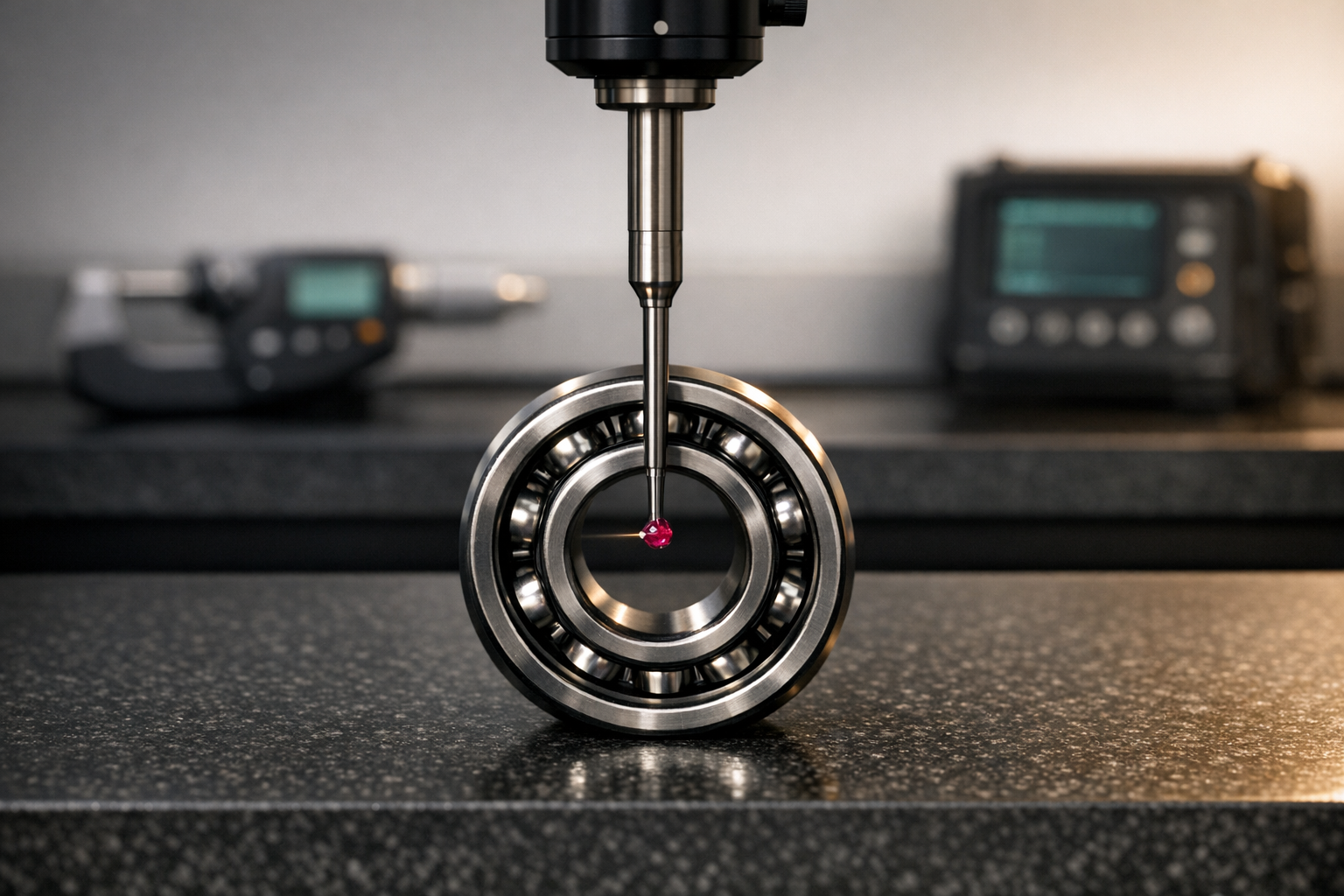
When you’re machining bearings, a single micron can make or break the product. Micron-level accuracy ensures a perfect fit between the inner and outer races, reducing vibration and preventing wobble during high-speed rotations. Think of it as tuning a guitar—if the string is even slightly off, the whole song sounds wrong. In manufacturing terms, tight tolerances translate directly into smoother, more consistent spin. It’s a detail the end user may never see but will always feel.
7.2 Advanced CNC Machining in Bearing Production
Modern CNC machinery has revolutionized how yo-yo bearings are produced. Multi-axis cutting, laser calibration, and automatic tool compensation guarantee repeatable precision in every piece. This level of automation eliminates the old “hit or miss” variability of manual processes. CNC machining also enables the use of exotic materials like ceramics and titanium alloys without compromising consistency. In short, it’s the technology that keeps perfection scalable.
7.3 Quality Control Processes for Consistent Output
Each bearing batch undergoes rigorous inspection—dimensional checks, spin tests, and surface roughness evaluations. Manufacturers employ laser micrometers and high-speed cameras to detect even microscopic flaws. Bearings that don’t meet spec don’t make the cut—plain and simple. This obsession with quality assurance ensures every unit leaving the factory performs exactly as promised. Consistency is the cornerstone of trust between supplier and brand.
8. Lubrication and Maintenance Best Practices
8.1 Choosing the Right Lubricant for Performance
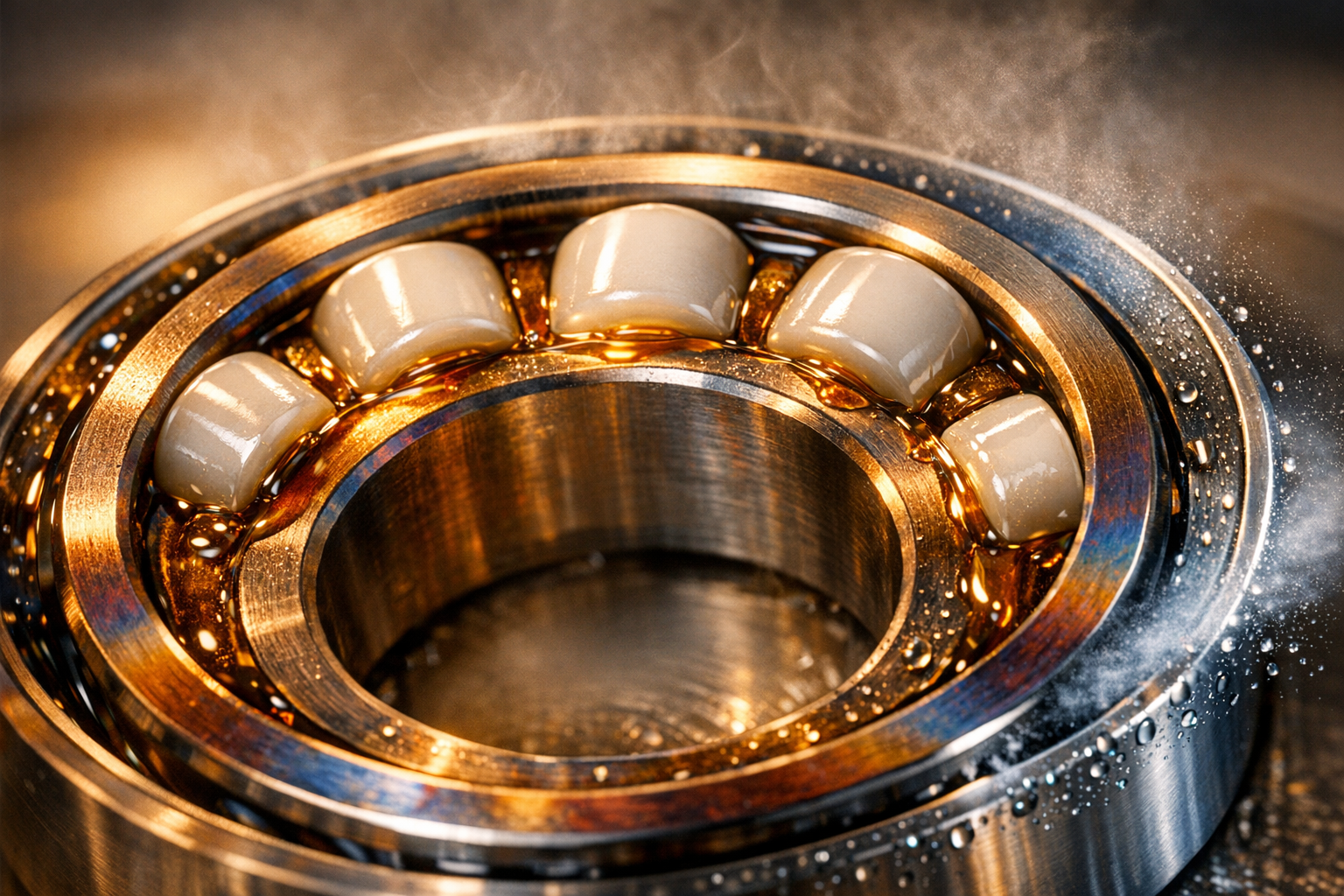
Lubrication might seem like a small detail, but it’s the lifeblood of bearing performance. Too much oil, and you’ll choke the speed; too little, and friction burns out the bearing. The right lubricant reduces wear, dampens noise, and maintains that sweet spot of fluid motion. Silicone-based and light synthetic oils are popular choices for performance yo-yos. It’s all about finding the blend that complements your bearing’s design and play style.
8.2 Cleaning Techniques for Longer Bearing Life
Dirt, dust, and string fibers are the silent killers of smooth spin. Cleaning with isopropyl alcohol or specialized bearing cleaners keeps the internals pristine. After cleaning, bearings must be dried completely—any leftover moisture can lead to corrosion. Some players swear by ultrasonic cleaning for deep maintenance. Routine cleaning not only extends bearing life but keeps performance crisp and reliable.
8.3 When to Replace vs. Recondition Bearings
Even the best bearings eventually show fatigue. You’ll notice it in shorter spin times or subtle grinding noises. At that point, it’s decision time: replace or recondition. Reconditioning involves deep cleaning, relubrication, and sometimes polishing the races to restore smoothness. But when wear reaches the point of structural degradation, replacement is the smarter, safer route. Keeping a rotation of fresh bearings ensures peak performance across your product line.
9. Testing and Quality Assurance Procedures
9.1 Spin and Friction Testing Methods
To guarantee consistent performance, every bearing undergoes spin and drag testing. Specialized rigs measure revolutions per minute (RPM) and decay rate over time. Bearings that maintain a steady decline curve are deemed high-quality. Friction testing simulates real-world play, identifying imperfections before they reach consumers. These tests ensure that every bearing delivers that long, smooth, competition-grade spin.
9.2 Load and Endurance Assessments
Bearings must handle both static and dynamic loads during play. Endurance testing subjects them to thousands of spin cycles under varying forces to simulate months of use. Engineers analyze wear patterns, deformation, and heat generation to ensure long-term reliability. If a bearing can survive lab abuse, it’s ready for real-world challenges. This kind of durability testing separates serious manufacturers from fly-by-night imitators.
9.3 Certification and International Standards Compliance
Global brands demand compliance with ISO, ABEC, and RoHS standards. These certifications prove that materials, tolerances, and production processes meet international benchmarks. They’re not just pieces of paper—they’re assurances of consistency and traceability. For procurement teams, these certifications simplify sourcing decisions and mitigate risk. In the global marketplace, compliance equals credibility.
10. How YoYo Bearings Impact Product Line Performance
10.1 Improving Customer Satisfaction and Retention
Players can feel quality instantly—the first throw tells the whole story. Bearings that deliver long, smooth spins and reliable response build brand loyalty. Customers remember the feel of performance that exceeds expectations. In a crowded market, that tactile satisfaction is priceless. Happy players become lifelong customers and ambassadors for your brand.
10.2 Reducing Returns and Warranty Claims
Inferior bearings are the number-one cause of product returns in the yo-yo market. By investing in premium, well-tested components, brands drastically reduce warranty claims. Every failed bearing is not just a cost—it’s a hit to reputation. High-quality bearings minimize these issues, providing peace of mind for procurement and product teams alike. Preventing problems upfront is far cheaper than repairing damage later.
10.3 Enabling Premium Pricing Through Quality Perception
A yo-yo that feels refined and balanced commands higher value. Quality bearings allow brands to position their products at a premium price point confidently. Consumers equate smoothness and quietness with craftsmanship and care. This perceived value translates directly into stronger margins and market differentiation. Simply put—premium bearings make premium brands.
11. Sustainability and Environmental Responsibility
11.1 Eco-Friendly Materials and Processes
Sustainability is no longer just a buzzword—it’s a business imperative. Many bearing manufacturers are adopting eco-friendly materials and coatings to reduce their environmental footprint. Stainless steels with lower carbon impact and water-based lubricants are gaining traction. Green production doesn’t mean compromising performance; it means innovating responsibly. For global buyers, sustainability adds another layer of brand value.
11.2 Energy-Efficient Manufacturing Methods
CNC machines, once notorious for energy consumption, are now smarter and more efficient. Regenerative braking systems and closed-loop coolant cycles reduce waste and energy draw. Automation also eliminates excess material scrap, boosting efficiency across the board. Manufacturers that embrace these methods cut costs while protecting the planet. It’s a win-win for both performance and sustainability.
11.3 Recycling and Waste Reduction Initiatives
Scrap metal, lubricant waste, and packaging all add up in traditional manufacturing. Modern facilities implement recycling programs for steel and ceramic remnants, while solvent recovery systems reclaim cleaning agents. Even shipping materials are moving toward recyclable or biodegradable options. Reducing waste at every stage is not only environmentally sound—it’s financially smart. Cleaner production equals a stronger, more responsible brand image.
12. Trends Shaping the Future of YoYo Bearings
12.1 Nanocoatings and Advanced Composites
The next generation of bearings is pushing the limits with nanotechnology. Nanocoatings enhance wear resistance, reduce surface friction, and repel contaminants. Advanced composites, combining ceramics with polymers, create ultra-light yet durable bearings. These innovations are redefining what’s possible in yo-yo performance. The future is fast, smooth, and engineered at the atomic level.
12.2 Smart Bearings with Performance Monitoring
Imagine a bearing that can “talk” to you. Embedded micro-sensors now allow for real-time monitoring of temperature, load, and spin speed. While still in early development, this technology is changing how manufacturers test and optimize designs. Smart bearings provide data that helps refine production and performance parameters. It’s engineering meets analytics—precision backed by intelligence.
12.3 Integration of AI in Quality Inspection
Artificial intelligence is revolutionizing quality control. Machine vision systems can now detect microscopic flaws faster and more accurately than human inspectors. AI-driven sorting ensures zero-defect shipments and continuous process improvement. The result is not just better bearings, but smarter manufacturing overall. For global brands, that translates to reliability at scale.
13. Conclusion and Strategic Insights
13.1 The Competitive Advantage of High-Performance Bearings
In a market where every millisecond of spin counts, premium bearings are the secret weapon. They enhance performance, reliability, and the perceived quality of the entire product line. For brands, investing in top-tier components isn’t an expense—it’s a competitive edge. The difference between average and elite often lies in the details hidden inside the hub.
13.2 Why Precision Engineering Drives Brand Success
Precision is more than engineering—it’s a mindset. When every component is crafted with care, the final product speaks for itself. Brands that partner with precision-focused manufacturers build reputations for excellence that last. In an industry driven by performance and feel, that trust is everything. Engineering excellence is the foundation of brand equity.