Table of Contents

Chips

1. Market Impact of Fidget Bearings on Product Differentiation
Why bearings influence perceived product value
Bearings are the unsung heroes that quietly dictate how a product feels in the user’s hand, and that tactile impression often determines whether a product feels premium or cheap right out of the gate. When a bearing delivers buttery-smooth rotation with zero chatter, consumers subconsciously assign higher value to the entire product, almost like judging a car by the way the door closes. In real-world market terms, that smoothness becomes a proxy for build quality, reliability, and engineering competence, which are big-ticket factors when buyers are making split-second decisions on crowded shelves.
Competitive advantages in crowded markets
In saturated product categories, bearings act like the fine-tuned carburetor of differentiation, giving brands a mechanical edge that competitors can’t easily copy without real engineering investment. A well-specified bearing creates longer spin times, tighter tolerances, and consistent performance that translates directly into better reviews and stronger word-of-mouth, and that’s marketing gold you can’t fake. From an engineering standpoint, it’s a straightforward truth: products that feel better mechanically tend to dominate their segment because they reduce buyer’s remorse and elevate brand trust.
Consumer behavior and tactile experience
Consumers might not know what a radial load rating is, but they sure as heck know when a product feels gritty, rattly, or hollow in the hand. The tactile experience, driven heavily by bearing smoothness and acoustic profile, taps straight into emotional buying behavior, where feel trumps spec sheets nine times out of ten. When rotation feels fluid and quiet, users are more likely to associate the product with precision, durability, and craftsmanship, which keeps them coming back for more.
2. Types of Fidget Bearings Used in Standout Products
Ceramic vs stainless steel bearings
Ceramic bearings are the speed demons of the bearing world, offering lower rolling resistance, higher hardness, and superior corrosion resistance compared to their stainless steel counterparts. Stainless steel bearings, on the other hand, bring a balanced performance profile with excellent load handling and a more cost-effective manufacturing footprint, which makes them a workhorse choice for scalable products. From an engineering lens, the choice boils down to whether the product is chasing ultimate performance or targeting a reliable, budget-conscious performance envelope.
Hybrid bearing structures
Hybrid bearings, which typically pair ceramic balls with steel races, sit in the sweet spot where performance and practicality shake hands and call it a deal. These structures capitalize on the low friction and thermal stability of ceramic while maintaining the toughness and shock tolerance of steel raceways. The result is a bearing that spins longer, runs cooler, and tolerates abuse better, which is exactly what standout products need in high-touch, high-cycle use scenarios.
Shielded and unshielded designs
Shielded bearings offer a layer of defense against dust, debris, and pocket lint, and let’s be honest, fidget products live in some pretty rough environments. Unshielded bearings, while more vulnerable, deliver the least rolling resistance and the most raw, unfiltered spin performance, which hardcore enthusiasts tend to appreciate. The engineering trade-off is always a balancing act between environmental protection and maximum rotational freedom, and getting that balance right is what separates a good product from a best-in-class product.
3. Design Features That Elevate Product Appeal
Low-friction spin performance
Low-friction performance starts with precision raceway geometry and surface finishes that are smooth enough to make Teflon jealous, and that’s not an exaggeration in high-end builds. When friction coefficients are minimized, spin time extends, energy loss drops, and the user experience feels effortless, like the bearing is gliding on air instead of metal. This type of performance becomes a signature feature, and users can feel it instantly, even if they can’t explain the physics behind it.
Noise reduction engineering
Noise is the silent brand killer, and a chattering or whining bearing can tank an otherwise solid product faster than a dropped prototype on a factory floor. Engineers combat this with optimized ball grading, uniform cage spacing, and micro-clearance adjustments that keep vibration harmonics under control. When executed properly, the result is a whisper-quiet rotation that feels refined and intentional, which users experience as “high quality,” even if they don’t consciously analyze why.
Compact and ergonomic sizing
Compact bearing designs allow product designers to slim down housings, tighten clearances, and create more ergonomic shapes that sit naturally in the hand. Smaller, well-optimized bearings also reduce mass, which improves balance and reduces gyroscopic drag during rotation, giving a cleaner and more controlled spin feel. From an engineering perspective, tight packaging with no performance sacrifice is always a win, because it enables more aggressive industrial design without compromising mechanical integrity.
4. Material Innovations That Increase Product Uniqueness
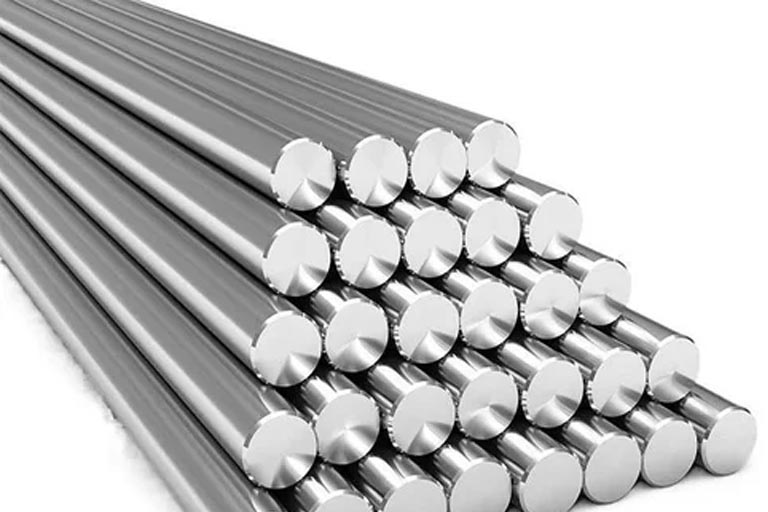
Wear-resistant steel alloys
Modern wear-resistant alloys are engineered to handle repeated micro-load cycles without developing premature raceway fatigue, and that longevity is where real product credibility lives. These steels are often heat-treated and cryogenically stabilized, which refines the grain structure and boosts surface hardness without turning the material brittle. The practical effect is a bearing that maintains smoothness over time, instead of feeling worn-out after a few weeks of heavy use.
Advanced ceramic composites
Advanced ceramic composites bring a mix of ultra-low density, extreme hardness, and near-immunity to corrosion, which makes them ideal for premium-tier fidget applications. These materials resist micro-pitting and surface spalling, even under aggressive spin conditions, which preserves that “like-new” feel for far longer than traditional materials. From a manufacturing view, ceramic components are trickier to machine, but the performance payoff is worth every bit of process complexity.
Eco-friendly and sustainable materials
Sustainable materials are no longer just a marketing angle; they’re becoming a legitimate engineering constraint that smart product developers are working into the core design phase. Recycled steel, bio-based polymers for cages, and low-toxicity surface treatments reduce environmental impact without sacrificing mechanical performance when properly specified. This approach adds a layer of brand story that resonates with modern buyers, while still delivering the mechanical credibility that engineers demand.
5. Customization Options That Strengthen Brand Identity
Branded shields and laser etching
Branded shields turn a functional component into a visual centerpiece, allowing logos, patterns, and micro-text to live directly on the bearing itself. Laser etching offers permanent, high-resolution marking that won’t wear off under frictional heat or repetitive handling. From a brand standpoint, this makes the bearing a signature element rather than a hidden internal part, which adds perceived value and strengthens product recall.
Custom colors and coatings
Custom coatings not only add visual flair but also serve as functional layers that improve corrosion resistance, surface hardness, and chemical stability. Anodized finishes, PVD coatings, and ceramic-infused paints bring out bold aesthetics while quietly boosting the service life of the bearing. When engineering and design work in tandem here, the product doesn’t just perform well, it looks like it was engineered with intention.
Unique internal ball configurations
Changing the number, size, or grade of internal balls alters load distribution, contact angles, and rotational dynamics in ways that most consumers would never guess, but they will absolutely feel. A customized ball configuration can be tuned for longer spin, smoother start-up torque, or a more controlled deceleration curve. This kind of internal engineering becomes a hidden advantage that sets a product apart without relying on flashy external gimmicks.
6. Performance Metrics That Matter for Premium Positioning
Spin time consistency
Consistent spin time is a hallmark of precision manufacturing, because it indicates uniform clearances, balanced mass distribution, and stable lubrication behavior. Users may tolerate a long spin once or twice, but they trust a product when it performs the same way every single time. That reliability builds brand loyalty, because the product feels engineered rather than lucky.
Load capacity and durability
Load ratings matter because fidget products don’t live pampered lives; they get dropped, squeezed, flicked, and abused on a daily basis. Bearings designed with higher dynamic and static load capacities resist brinelling, raceway deformation, and cage collapse under shock loads. When that durability shows up in real-world use, the product develops a reputation for being tough as nails, which is worth its weight in gold.
Heat and corrosion resistance
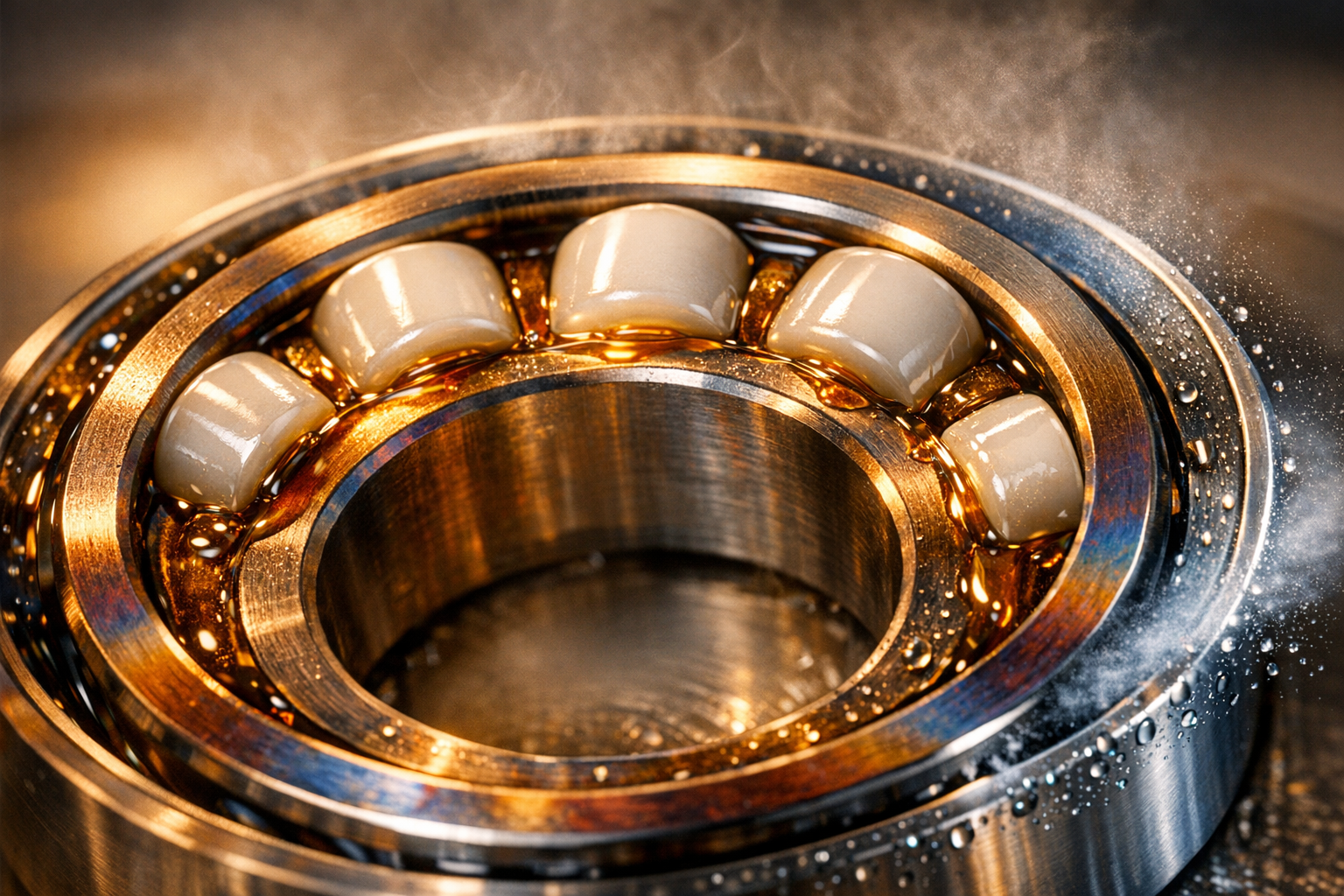
Heat buildup during extended spins can degrade lubricants and expand components, which is why thermal stability is a big deal in performance-oriented designs. Corrosion resistance adds another layer of resilience, especially for products exposed to sweat, humidity, and everyday environmental grime. Bearings that handle heat and corrosion gracefully maintain smoother operation over time, which keeps the premium feel intact long after the novelty wears off.
7. Manufacturing Techniques That Improve Product Precision
CNC micro-machining processes
CNC micro-machining allows for raceways and cages to be cut with tolerances measured in microns, which is where real mechanical magic happens. This level of precision reduces vibration, improves load distribution, and minimizes friction points that would otherwise sap performance. The result is a bearing that feels like it was built by surgeons instead of machines, even though it’s all automated science under the hood.
Automated assembly systems
Automated assembly systems reduce human variability and ensure that every single bearing is built to the same exacting standard, run after run. Robotic insertion of balls, cages, and shields keeps alignment tight and contamination low, which is critical for consistent performance. When automation is dialed in correctly, it produces components that feel almost unnaturally consistent, and that’s exactly what premium products require.
Precision polishing and finishing
Precision polishing takes raw machined surfaces and turns them into mirror-like contact zones that reduce friction and wear in real-world operation. Superfinishing techniques knock down microscopic asperities that would otherwise generate noise and drag. This step is often invisible to the end user, but it’s absolutely felt when they experience that silky-smooth spin.
8. Quality Control Standards That Protect Brand Reputation
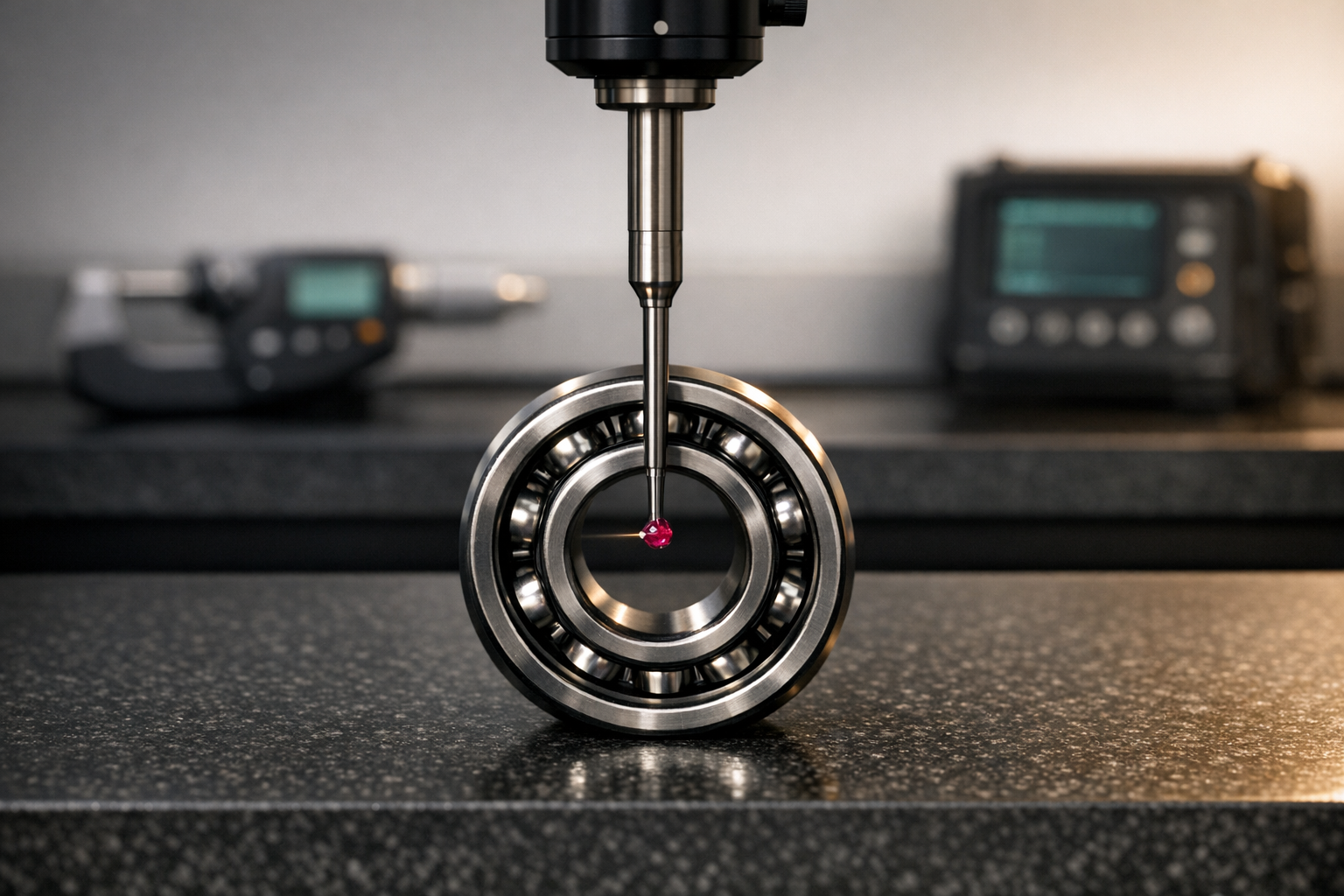
Dimensional tolerance inspections
Dimensional inspections verify that every component meets its specified tolerances, because even tiny deviations can cascade into major performance issues. Coordinate measuring machines and optical inspection systems catch micro-errors before they ever reach assembly lines. This discipline ensures that every bearing performs as expected, which shields brands from costly recalls and reputation damage.
Spin testing and endurance testing
Spin testing validates rotational smoothness, balance, and noise performance under controlled conditions that simulate real-world use. Endurance testing pushes bearings through extended duty cycles to expose fatigue points, lubrication breakdown, and wear patterns. When a product passes these tests, it earns the right to be called reliable, not just attractive.
Contamination and debris control
Clean-room-style environments and strict debris control prevent microscopic particles from sneaking into bearings during assembly. Even a single speck of contamination can create roughness, noise, or premature wear that users will notice immediately. Maintaining a contamination-free process is one of the most critical yet overlooked aspects of building standout mechanical products.
9. Cost Optimization Without Sacrificing Product Uniqueness
Material cost vs performance balance
Balancing material cost against performance is a classic engineering chess match, where the goal is maximum perceived value without blowing the budget. Strategic selection of hybrid materials and optimized geometries can deliver premium feel without premium material costs. This approach allows brands to hit aggressive price points while still delivering a product that feels anything but cheap.
Bulk production efficiency
High-volume production unlocks economies of scale that reduce per-unit costs while maintaining tight process control and consistency. Optimized tooling, standardized components, and lean manufacturing workflows eliminate waste and reduce rework. When the system is humming, products roll off the line with both high quality and healthy margins.
Long-term durability as cost savings
Durable products reduce warranty claims, returns, and customer dissatisfaction, which quietly saves enormous amounts of money over a product’s lifecycle. Investing in longevity upfront often costs a little more at the start, but it pays dividends in brand trust and lower after-sales support. From an engineering economics standpoint, durability is one of the smartest investments a brand can make.
10. Packaging Strategies That Enhance Product Perception
Protective and premium packaging materials
Premium packaging materials not only protect the product but also set the emotional tone before the product is even touched. Foam inserts, magnetic closures, and textured surfaces create a sense of intentionality and craftsmanship. This kind of packaging primes users to expect quality, making the bearing performance feel even more impressive.
Packaging designed for unboxing experience
Unboxing has become a performance of its own, and smart packaging design turns that moment into a mini event. Layered reveals, clean product presentation, and intuitive layout build anticipation and reinforce brand value. When packaging tells a story, it makes the product feel like more than just an object.
Information-rich labeling for end users
Clear, informative labeling helps users understand what makes the product special, without overwhelming them with engineering jargon. Icons, diagrams, and concise performance claims bridge the gap between technical excellence and everyday understanding. This transparency builds trust, because users feel like they know what they’re buying and why it matters.
11. Compliance Factors That Enable Global Market Success
Safety certifications for international markets
Safety certifications open doors to major global markets by verifying that products meet strict regulatory requirements. These certifications demonstrate that the product has been scrutinized and validated by recognized authorities. From a brand perspective, that stamp of approval signals professionalism and reliability.
RoHS and REACH material compliance
RoHS and REACH compliance ensure that hazardous substances are controlled or eliminated, protecting both users and the environment. These regulations force manufacturers to think carefully about material selection, surface treatments, and chemical processes. Compliant products move through customs more smoothly and win trust from retailers and end users alike.
Child safety and durability regulations
Products that may be handled by children must meet strict standards for impact resistance, material safety, and choking hazard prevention. Bearings designed under these constraints require tighter tolerances and more robust construction methods. Meeting these standards expands market reach while reinforcing a brand’s commitment to safety and responsibility.
12. Application Scenarios That Increase Perceived Product Value
Fidget spinners and stress relief products
Fidget spinners rely almost entirely on bearing performance to deliver that satisfying, stress-melting spin that users crave. A smooth, long-lasting spin creates a calming sensory loop that keeps people coming back for more interaction. When the mechanical performance is dialed in, the product transcends novelty and becomes a daily-use tool.
Educational and sensory tools
In educational and therapeutic settings, bearings provide consistent, predictable movement that supports focus, sensory regulation, and motor skill development. The reliability of the spin reassures users and instructors that the tool will behave as expected every time. This consistency elevates the product from a toy to a legitimate learning and sensory device.
Collector-grade and limited edition products
Collector-grade products demand flawless execution, because buyers in this category scrutinize every detail like engineers themselves. Premium bearings become a centerpiece of the product story, showcasing craftsmanship, material quality, and mechanical integrity. Limited edition status amplifies this effect by adding scarcity to an already performance-driven product.
13. Future Trends in Fidget Bearings and Product Differentiation
Smart bearings and sensor integration
Smart bearings are beginning to integrate micro-sensors that track spin time, rotational speed, and even user interaction patterns. This data can be used to create connected experiences through companion apps or performance dashboards. The fusion of mechanical and digital engineering represents a whole new frontier for product differentiation.
Lightweight and micro-bearing evolution
The push toward lighter and smaller bearings is driving breakthroughs in material science and manufacturing precision. Micro-bearings open up new design possibilities, allowing for slimmer products and more complex internal architectures. As these components become more accessible, product designers will have more freedom to innovate without sacrificing performance.
Emerging surface treatment technologies
New surface treatments such as diamond-like carbon coatings and nano-ceramic layers are dramatically reducing friction and wear. These technologies also improve chemical resistance and thermal stability, pushing performance boundaries further than traditional finishes ever could. As these treatments become more cost-effective, they will likely become standard features in standout fidget bearing applications.