Table of Contents

Lee
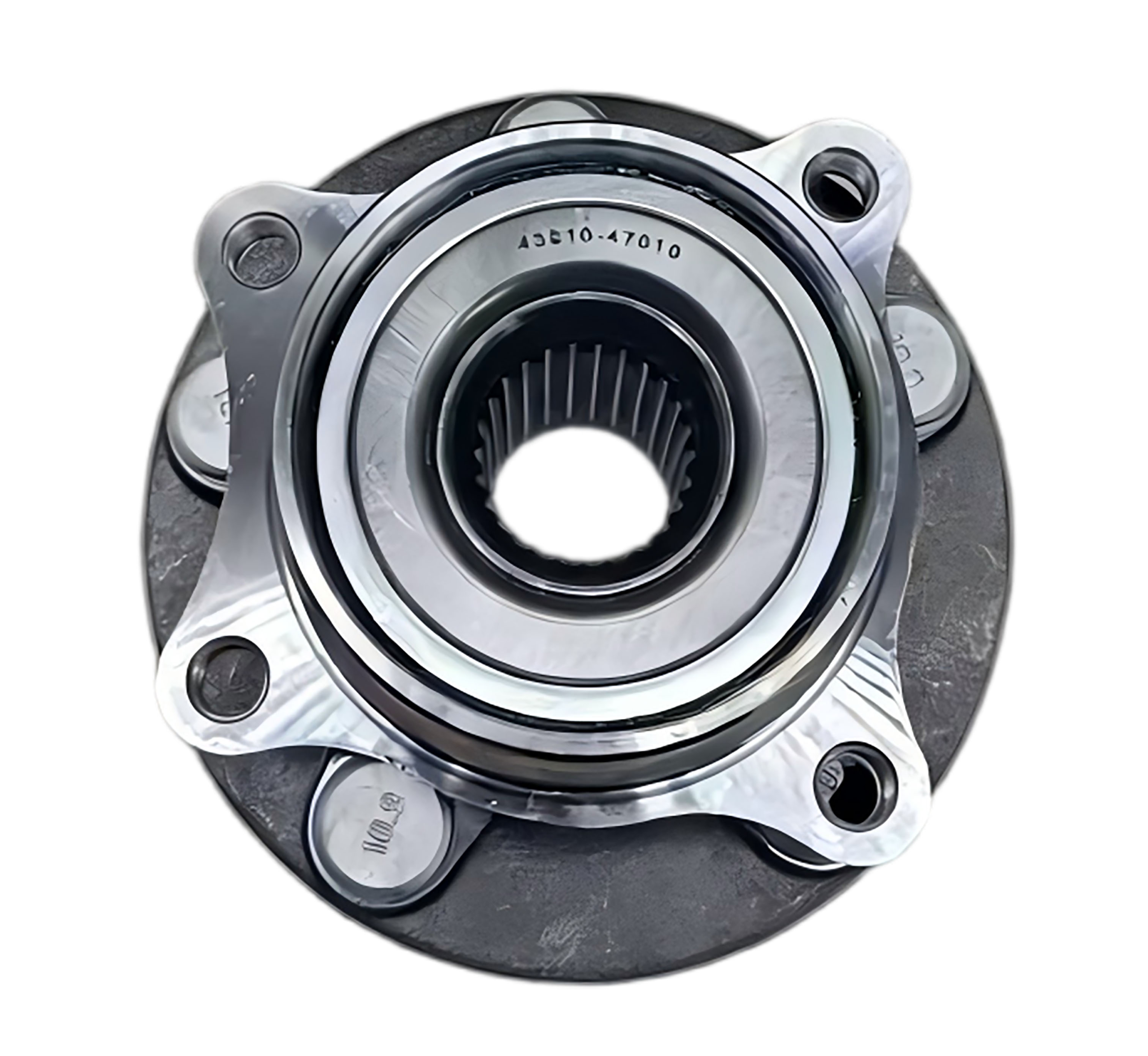
Introduction to Precision Hub Units
Definition and role in modern vehicles
Precision hub units are integrated wheel-end components that combine bearings, hub flanges, and often sensors into a single assembly. They support vehicle weight while enabling smooth wheel rotation under varying driving conditions. Their role is critical in ensuring stability, safety, and efficient power transmission.
Why performance optimization matters
Precision hub units offer maintenance-free operation, simplified installation, and consistent performance. They reduce assembly errors due to pre-set preload and integrated design. These advantages make them essential for modern automotive manufacturing.
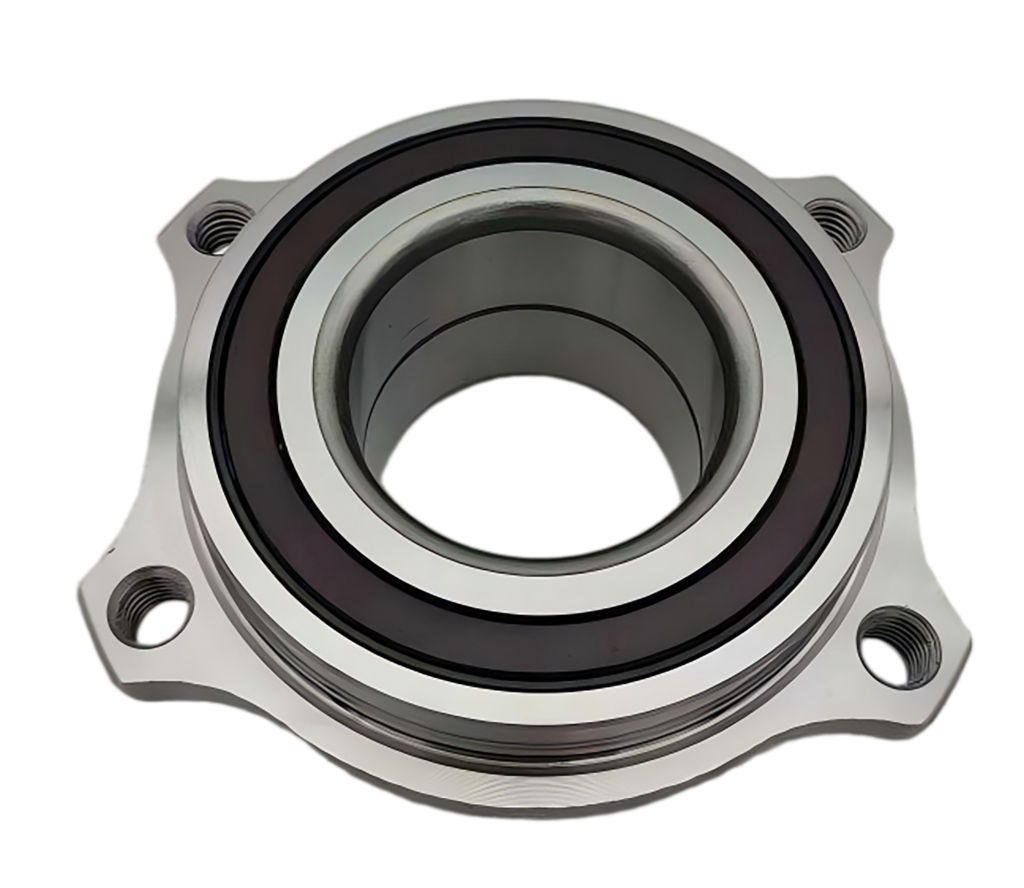
Evolution of Automotive Hub Units
From traditional bearings to integrated units
Early wheel bearing systems required manual assembly and adjustment, increasing the risk of installation errors. Over time, manufacturers developed integrated hub units to streamline production. This shift significantly improved reliability and reduced maintenance requirements.
Generational advancements
Hub units evolved from Gen 1 standalone bearings to fully integrated Gen 3 systems. Each generation introduced better load handling, sealing, and ease of installation. These advancements align with increasing vehicle performance demands.
Impact on vehicle engineering
Modern hub units enable more compact and lightweight vehicle designs. Engineers can optimize suspension and braking systems with integrated components. This evolution supports improved fuel efficiency and driving dynamics.
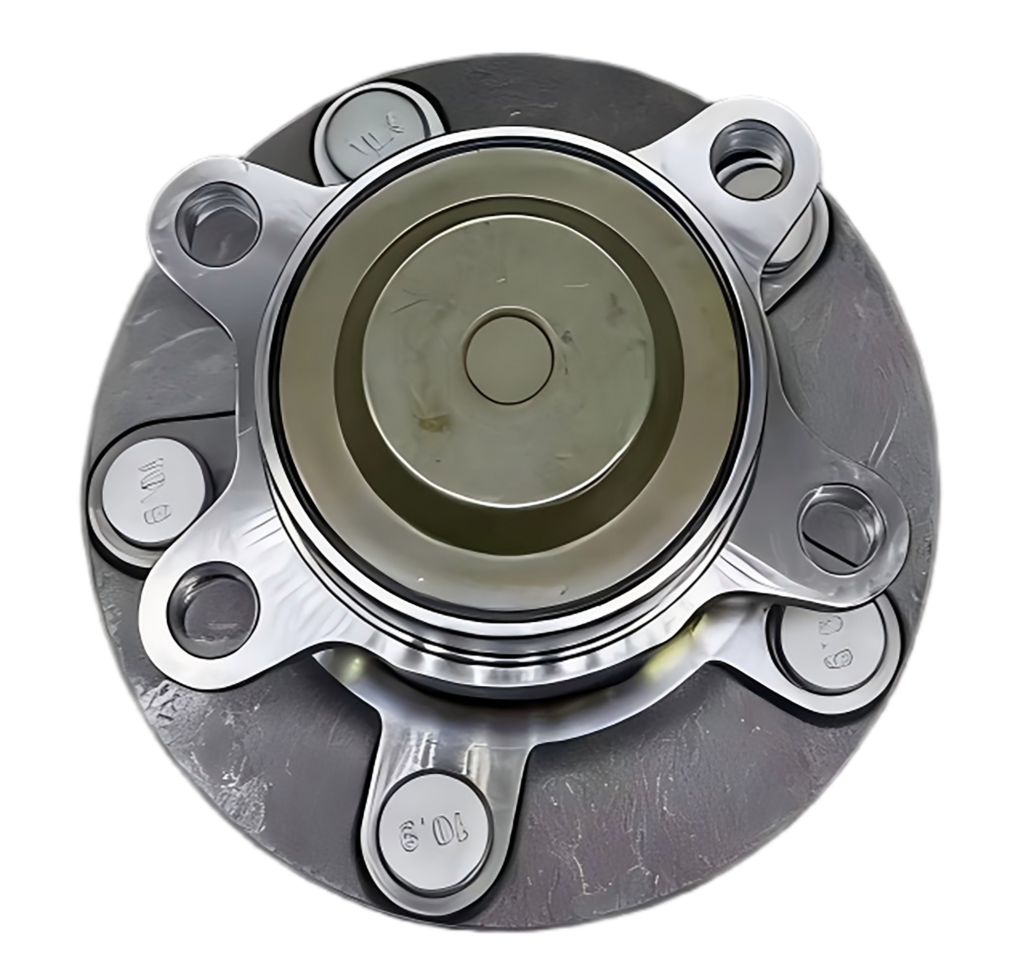
Understanding Hub Unit Architecture
Core structural components
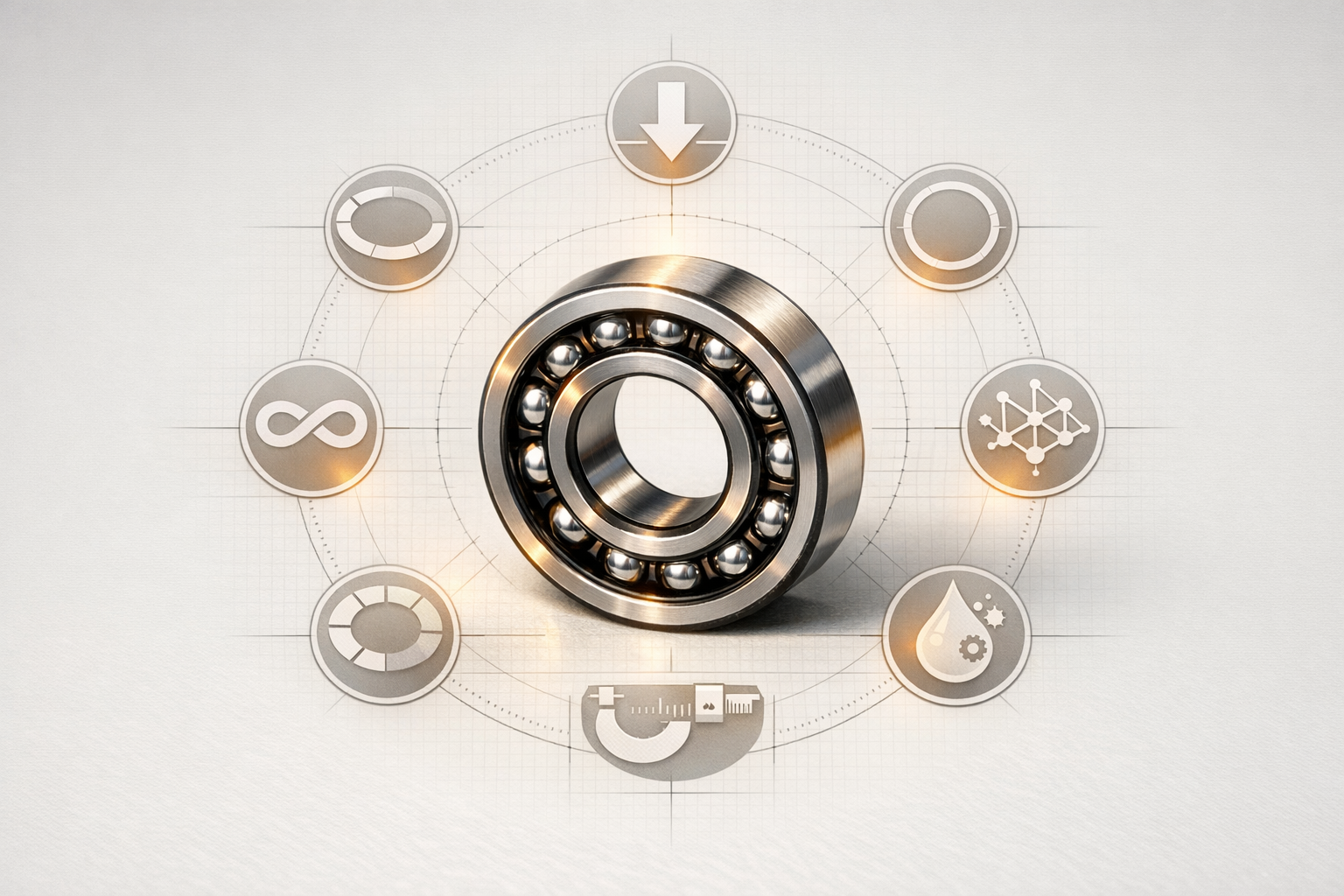
A hub unit typically includes inner and outer rings, rolling elements, cages, seals, and a flange. Each component is engineered for precise load distribution and durability. Their integration ensures consistent performance under stress.
Materials and design principles
High-quality steel and advanced alloys are used to withstand extreme loads and temperatures. Design principles focus on minimizing friction while maximizing strength. Precision machining ensures tight tolerances and smooth operation.
Integration of multiple functions
Modern hub units integrate bearing, mounting, and sensing functions into one system. This reduces the number of separate components required in vehicle assembly. It also enhances reliability and simplifies maintenance.
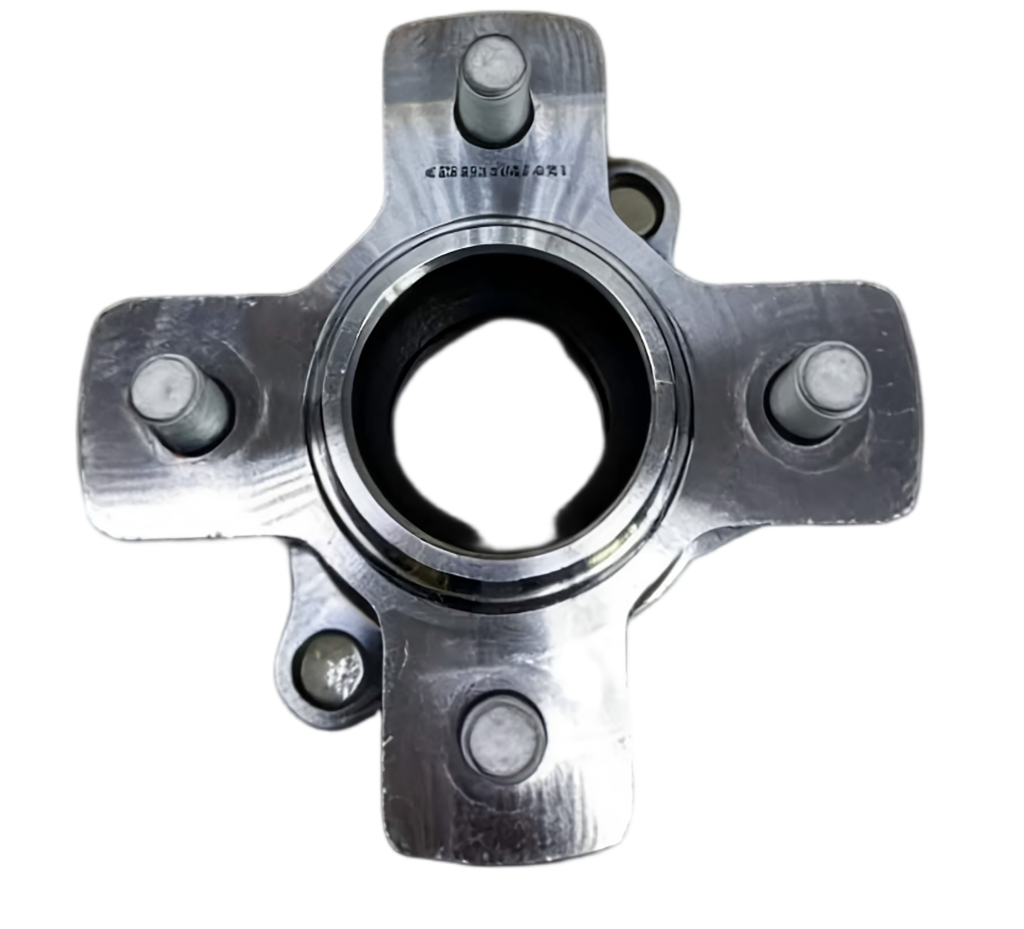
Types of Precision Hub Units
Generation 1 hub units
- Gen 1 units consist of double-row bearings without integrated flanges. They require careful installation and preload adjustment. These are typically used in older or cost-sensitive vehicle designs.
- Generation 2 hub units
Gen 2 units incorporate a hub flange, simplifying mounting and improving rigidity. They reduce assembly complexity and enhance accuracy. This design is widely used in mid-range vehicles. - Generation 3 hub units
Gen 3 units are fully integrated with dual flanges and sensor capabilities. They are pre-assembled and ready for direct installation. These units offer the highest level of performance and reliability.
Importance of Precision Engineering
- Tolerance control and machining
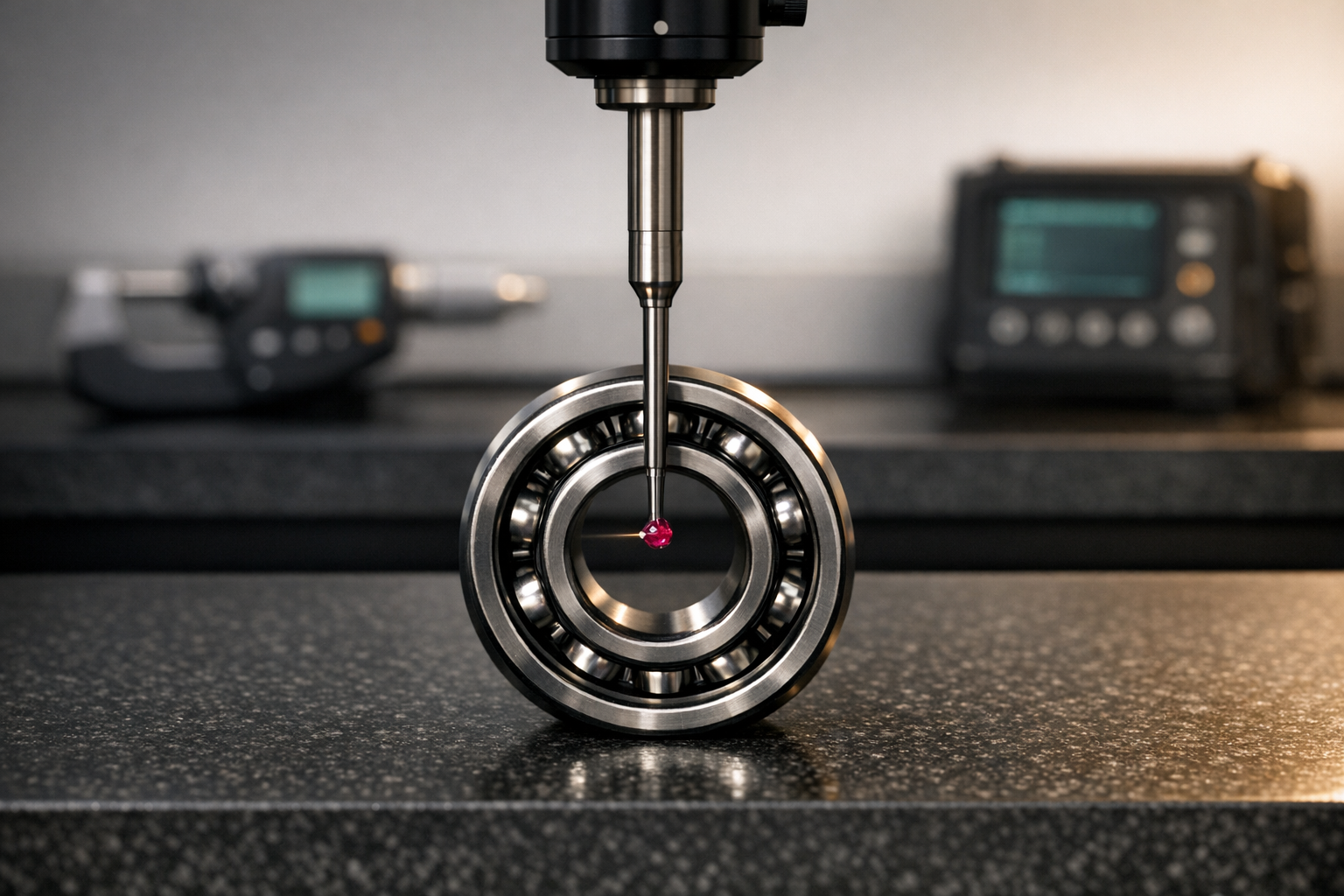
Tight tolerances are essential for proper bearing function and longevity. Advanced CNC machining ensures consistent accuracy across production batches. This reduces variation and improves reliability. - Heat treatment processes
Heat treatment enhances material strength and fatigue resistance. Proper processes ensure components can withstand extreme loads. This is crucial for long-term durability. - Surface finishing techniques
Smooth surface finishes reduce friction and wear. Advanced polishing and coating methods improve performance. These techniques also enhance corrosion resistance.
Common Failure Modes and Prevention
- Contamination and sealing issues
Ingress of dirt and moisture can damage internal components. Effective sealing prevents contamination. Proper design reduces failure risks. - Improper installation risks
Incorrect installation can lead to premature failure. Pre-assembled units minimize human error. Proper training is also essential. - Overload and fatigue failures
Excessive loads can cause material fatigue. High-quality materials and design reduce this risk. Preventive measures ensure long-term reliability.
Future Outlook of Precision Hub Units
- Market demand growth
Global demand for advanced hub units continues to rise. Growth is driven by automotive innovation. Emerging markets offer new opportunities. - Technological evolution
Ongoing advancements improve performance and integration. New technologies enhance efficiency and durability. Innovation will shape future designs. - Opportunities for global sourcing professionals
Sourcing professionals can leverage advanced manufacturing capabilities. Strategic partnerships drive business growth. Opportunities expand with evolving market needs.
Summary
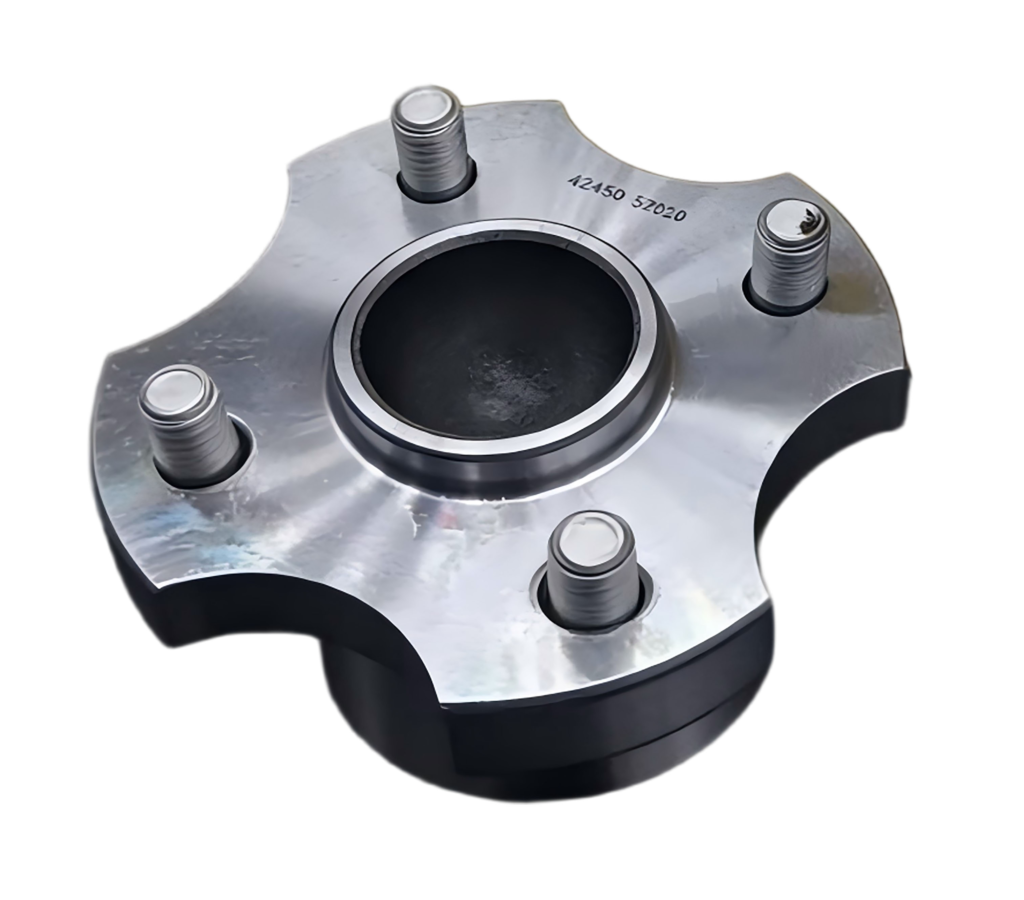
Automotive wheel hub unit bearings are safety components that integrate precision mechanical manufacturing (high-precision raceways, heat treatment), tribology (grease and seals), sensor technology (active wheel speed measurement), and system rigidity.
In modern automotive engineering, it has evolved from a simple “supporting rotation” component into a key assembly involved in Vehicle Dynamics Control (VDC), Advanced Driver Assistance Systems (ADAS) (providing precise wheel speed), and unsprung mass reduction (integrated design).